
Plants
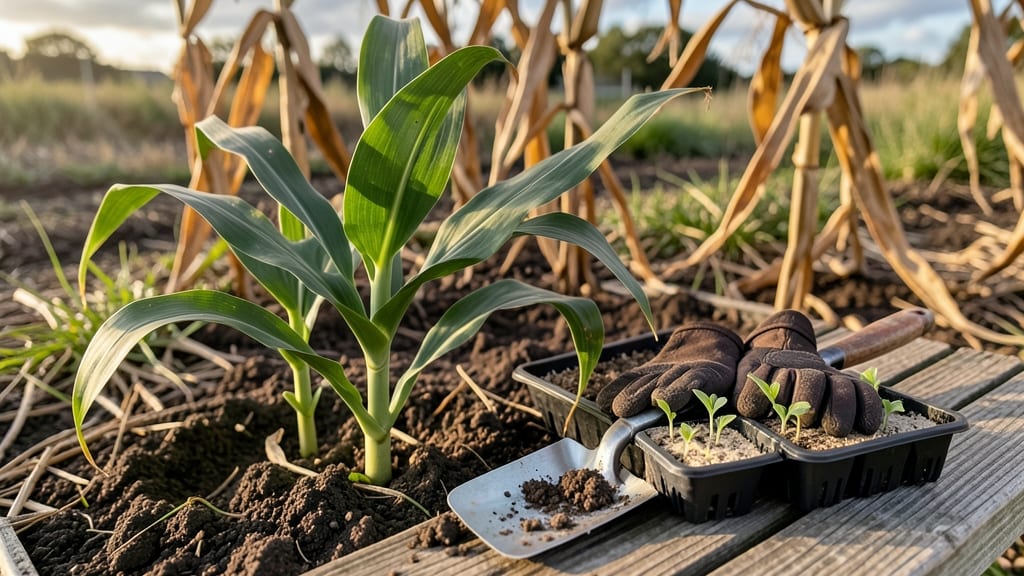
When to plant corn in Iowa isn't just about checking a calendar—it's about mastering the delicate balance between frost risks and soil warmth. In USDA Zones 4b-5a, where temperatures can swing from icy to sweltering in weeks, getting those seeds in the ground at the right moment makes all the difference between a bumper crop and a disappointing harvest.
Iowa gardeners know timing is everything, especially when dealing with 🌽 corn that needs 60°F+ soil to thrive. Plant too early, and frost will nip tender sprouts before they even break the surface.
Wait too long, and your late July harvest might never materialize. The ideal window—mid-April to mid-May—aligns with Iowa's average last frost date, but Mother Nature doesn't always follow the script.
This guide cuts through the guesswork, giving you the exact strategies to nail your planting schedule, whether you're growing short-season varieties in northern Iowa or pushing the limits with later maturing types in the south.
We'll cover soil prep, frost protection, and how to adjust for Iowa's famously unpredictable weather patterns.
Ready to turn your garden into a cornfield goldmine? Let's dive into the frost-free timeline that'll have your 🌽 stalks towering by summer—and your neighbors asking for your secrets.
Iowa corn planting dates by USDA Zone (4b vs 5a)
Getting your corn planting timing right in Iowa means balancing frost dates, soil temperatures, and variety maturity. In USDA Zone 4b (northern Iowa), the last spring frost typically arrives around May 10-15, while Zone 5a (southern Iowa) sees it 2-3 weeks earlier.
Corn needs soil temps above 50°F to germinate, but 60°F+ for optimal growth.
Iowa State University data shows that early-maturing varieties (60-70 days) can be planted as soon as April 20-30 in Zone 5a, but Zone 4b gardeners should wait until May 1-15 to avoid frost damage. Mid-season varieties (70-90 days) need to be in the ground by May 10 in Zone 5a and May 20 in Zone 4b.
Here’s the critical planting window breakdown for Iowa’s two zones, including backup dates for unpredictable springs:
| USDA Zone | Last Frost Date | Ideal Planting Window | Backup Window (Late Spring) | Soil Temp Threshold |
|---|---|---|---|---|
| Zone 4b (Northern IA) | May 10-15 | May 1-15 (early varieties) May 15-25 (mid-season) |
June 1-10 (short-season only) | 60°F+ (15°C+) |
| Zone 5a (Southern IA) | April 25-May 5 | April 20-May 10 (early) May 5-15 (mid-season) |
May 20-June 1 | 55°F+ (13°C+) |
For Zone 5a gardeners, early planting (late April) works best for short-season varieties like 'Early Sunglow' (65 days), while Zone 4b should focus on 'Golden Bantam' (70 days) or 'Ambrosia' (85 days). Late-maturing varieties (90+ days) are risky in both zones unless you’re in Zone 5a and use row covers.
Pro tip: Check Iowa State University’s Frost Probability Calculator (available online) for your specific county. It adjusts for microclimates—your garden might be 2-3 days earlier than the average if it’s in a south-facing slope or near a heat-retaining wall.
If you’re planting corn for silage (feed) rather than sweet corn, you can push the window slightly later (up to June 1) since maturity is measured by plant height and stalk diameter rather than kernel sweetness. Just ensure you have 120+ frost-free days remaining.
Remember: Corn is sensitive to cold soil. If you plant too early and soil temps drop below 50°F, seeds may rot. Use a soil thermometer to confirm readiness—60°F+ is ideal for germination.
For container growing in Iowa, stick to short-season varieties and plant 2-3 weeks later than ground planting. Containers heat up faster but also cool down quicker, making timing even more critical.
Finally, if you’re succession planting for a continuous harvest, plan a second planting in early June (Zone 5a only) using short-season varieties. This works best in home gardens with limited space, not large-scale farms.
🌽
How to adjust planting for Iowa’s unpredictable weather patterns
Iowa’s weather can shift faster than a summer storm—one day it’s warm enough to plant, the next you’re scrambling to cover seedlings with frost cloth. The key to success lies in flexibility and preparation.
Late springs, flash frosts, and droughts are all part of the Zone 4b-5a reality, but with the right strategies, you can still secure a bountiful harvest.
First, always have a backup planting date in mind. If your primary window (mid-April to mid-May) gets delayed by cold snaps, shift to late May—just ensure you choose short-season varieties (60-90 days to maturity) to avoid frost risks.
For example, if you planted on May 15 but temperatures drop unexpectedly, don’t panic—corn seeds can tolerate soil temps as low as 50°F, but germination slows dramatically below 60°F.
🌱 Pro Tip: Use a soil thermometer to monitor warmth. Corn needs consistent 60°F+ soil temps for 7-10 days to sprout reliably. If your soil is still chilly, try black plastic mulch or row covers to warm it faster.
These tricks can shave weeks off your planting timeline, especially in northern Iowa’s colder microclimates.
⚠️ Watch for Flash Frosts
Even after last frost, late spring can bring unexpected cold snaps. Young corn (under 6 inches) is especially vulnerable. If a frost is forecasted within 5 days of planting, consider:
- Using frost blankets or row covers (remove during the day)
- Planting in southern-facing slopes where cold air drains
- Choosing earlier-maturing varieties (e.g., 'Early Sunglow' at 75 days)
🌡️ Critical Threshold: Corn can survive 28°F for brief periods but will suffer damage below 32°F.
Drought is another Iowa wildcard. Corn’s deep roots make it somewhat drought-tolerant once established, but seedlings need consistent moisture to avoid stunted growth. If rain skips out, drip irrigation or soaker hoses deliver water directly to roots without wetting foliage (which reduces fungal risks like corn smut).
Aim for 1-2 inches of water per week, especially during tasseling (when pollen forms).
For gardeners in Zone 4b (northwest Iowa), consider staggered planting: sow half your seeds in early May and the rest 2 weeks later. This spreads out your harvest window and reduces the risk of losing everything to a single late frost.
Pair this with windbreaks (like tall sunflowers or cornstalks from the prior year) to protect young plants from Iowa’s notorious spring winds, which can dry out soil and stress seedlings.
Finally, keep an eye on the Iowa State University Extension’s frost forecasts (available online) and local Cooperative Extension Service updates. These resources provide real-time adjustments for your specific county. With these tools and a little adaptability, you’ll turn Iowa’s unpredictable weather into an advantage—not a setback.