
Plants
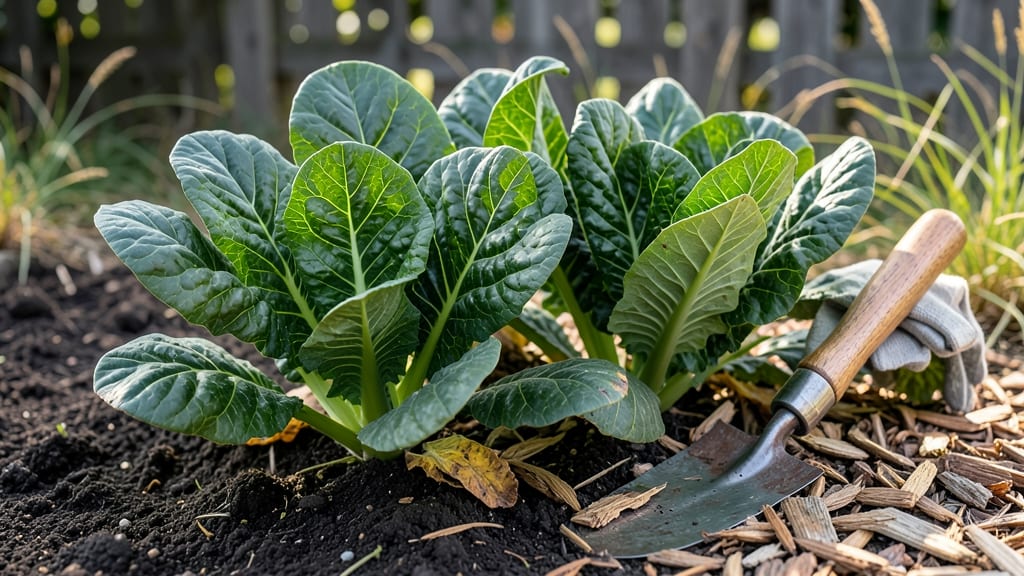
Timing your collard greens planting in SC could mean the difference between a bumper crop and a sad, wilted disappointment. These hardy greens thrive in South Carolina’s mild winters but need the right window to avoid bolting in summer heat or freezing before they mature.
Most gardeners in USDA zones 7b-9a swear by planting in late August through September for fall harvests, but there’s a trick to extending your growing season. Spring plantings work too—just get those seeds in the ground by early April before the heat sets in.
Why does this matter? Because collard greens are a year-round staple—crisp in fall, tender in winter, and packed with nutrients. I’ll show you exactly how to time your plantings for maximum yield, whether you’re in the coastal plains or the Upstate mountains.
Ready to grow collards that last from October through May? Let’s break down the best months, soil prep, and heat-beating strategies tailored just for South Carolina’s climate.
South Carolina heat zones & best collard green planting months by region
South Carolina’s USDA zones 7b-8b create a unique challenge for collard greens—too early, and frost zaps tender seedlings; too late, and summer’s 90°F+ heat sends them bolting. But by aligning your planting schedule with your specific zone, you can enjoy crisp, homegrown collards from late fall through spring.
Let’s break down the ideal planting windows for each region, including coastal, Piedmont, and Upstate areas.
In Zone 7b (common in the Upstate and parts of the Midlands), aim for two key planting periods: late February to early April for a spring harvest, and August to mid-September for a robust fall crop.
Zone 8a (coastal and lower Midlands) gardeners have a slightly extended window—March to mid-April for spring and late July to October for fall, thanks to milder winters and later frosts.
🌱Pro Tip: Use your average last frost date (typically March 15 for Zone 7b and March 1 for Zone 8a) as your guide. Plant collards 4-6 weeks before that date for a fall crop, or as early as February for spring planting in Zone 7b.
| USDA Zone | Best Planting Months | Harvest Window | Key Considerations |
|---|---|---|---|
| 7b (Upstate, Midlands) | Late Feb - Early Apr Aug - Mid-Sep |
May - June Oct - Nov |
Frost risk in spring; summer heat stress |
| 8a (Coastal, Lower Midlands) | March - Mid-Apr Late July - Oct |
Apr - June Sep - Dec |
Warmer winters; longer growing season |
| All Zones | Jan (hardy varieties) | Feb - Apr | Overwintering; use row covers |
Microclimates play a huge role in SC. Coastal areas like Charleston (Zone 8a) can push fall plantings into early October, while inland Greenville (Zone 7b) may need to wrap up by mid-September to avoid heat stress.
Pay attention to soil temperature—collards thrive when soil is at least 45°F, so wait until late summer for fall plantings.
For a year-round supply, stagger plantings every 3-4 weeks from August through October. This succession planting ensures continuous harvests, even if one batch gets hit by an early frost. In Zone 8a, you can even sow collards in January under row covers for a spring harvest.
🌿Soil Prep Matters: Amend your garden beds with compost or aged manure before planting to improve drainage and fertility. Collards prefer slightly acidic to neutral soil (pH 6.0-7.0), so test your soil in early spring or fall to make adjustments.
A mulch layer (straw or shredded leaves) helps retain moisture and regulate soil temperature.
If you’re in Zone 7b and beyond, consider cold-hardy varieties like ‘Vates’ or ‘Georgia Southern’ for winter sowing. These can tolerate light frosts and even produce edible leaves after a dusting of snow. Just be sure to protect seedlings with floating row covers or cloches during unexpected cold snaps.
☀️Sunlight is Non-Negotiable: Collards need 6+ hours of full sun daily. In SC’s humid summers, afternoon shade can help prevent bolting, but morning sun is critical for strong growth.
If your garden is shady, opt for partial shade-tolerant varieties like ‘Top Bunch’ and supplement with grow lights if container-growing.
South Carolina heat zones & best collard green planting months by region
South Carolina’s diverse USDA zones (7a-8b) create unique microclimates—coastal areas stay milder, while inland zones like Piedmont experience sharper frost. For collard greens, this means your planting window can shift by 4-6 weeks depending on location. Let’s break down the ideal months for each zone to maximize your harvest.
In USDA Zone 8a (e.g., Charleston), you can plant collard greens as early as late July for a fall harvest, while Zone 7b (e.g., Columbia) gardeners should wait until mid-August to avoid early frost.
For spring planting, Zone 8a can start as early as late February, while Zone 7b should wait until early March.
Here’s how to align your planting with SC’s heat zones and frost dates:
For coastal gardeners in Zone 8b, you can even enjoy year-round collards with staggered plantings—start in June for summer harvests and again in September for winter. Inland zones like Zone 7a should focus on fall plantings and use row covers to extend the season.
Pro tip: If you’re in a transitional zone (e.g., Greenville), err on the side of earlier plantings—collards tolerate light frost and may even taste sweeter after a 20°F chill. Just avoid planting when nighttime temps drop below 50°F.
Remember, soil temperature matters too—collard seeds need soil temps above 60°F to germinate. Use a soil thermometer if you’re unsure, especially in early spring or late fall plantings.