
Plants
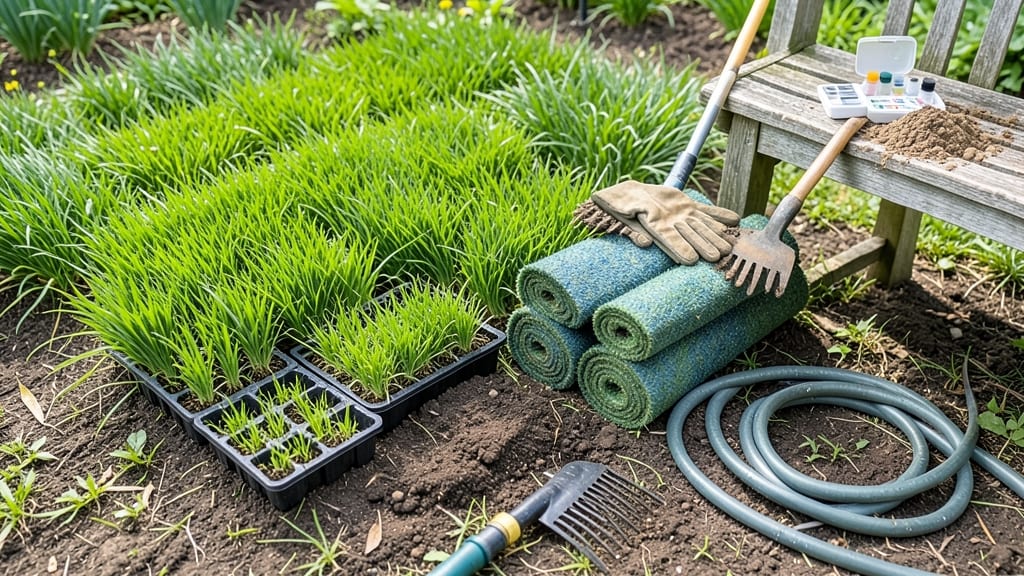
Planting when to plant coastal hay in Texas isn’t just about dropping seeds—it’s about timing the window when your grass stands the best chance of thriving. Skip the right months, and you’ll end up with weak germination or even total failure, especially when summer’s brutal heat arrives.
Texas gardeners know the stakes: one wrong move, and your pasture could struggle for months. The key is planting when soil temperatures hit 65°F—but not so late that drought or heat stress derails your efforts.
Whether you’re in coastal regions or inland zones, the ideal window shifts between spring and fall.
In this guide, I’ll break down the exact months to plant for zero frost risk and strong establishment, plus how to adjust for your specific Texas climate. No guesswork—just proven strategies to get your Coastal Bermuda Grass off to the best start.
Ready to avoid common mistakes? Let’s dive into the perfect planting schedule so your grass grows thick, fast, and resilient all year.
Texas coastal hay planting calendar: exact months by region (avoid frost risk)
Planting Coastal Bermuda hay in Texas isn’t just about avoiding frost—it’s about timing the soil temperature and rainfall patterns to give your grass the best shot at thriving. Since Texas spans three distinct climate zones, the ideal planting window varies.
In North Texas (USDA Zones 7b-8a), the last frost typically hits by mid-March, while South Texas (Zones 9a-10a) rarely sees frost at all. For Central Texas (Zones 8a-8b), aim for late February to early April.
Coastal Bermuda hay thrives in warm soil (65°F+), so don’t rush planting in early spring. Waiting until late April or early May ensures your seeds germinate quickly before summer heat sets in.
If you’re in coastal regions like Galveston or Corpus Christi, you’ve got more flexibility—August to September is actually the best window to avoid the brutal summer heat while still benefiting from consistent rainfall.
Here’s the golden rule: Plant when soil temps hit 65°F and stay above 70°F for 7+ days. Use a soil thermometer to check—this is non-negotiable for germination.
In North Texas, this usually aligns with late April to early May, while South Texas gardeners can start as early as mid-March without frost worries.
🌱
If you’re in North or Central Texas, spring planting is your best bet, but don’t wait too late—June planting risks drought stress and poor germination.
For South and Coastal Texas, fall planting (August-September) is ideal because it avoids the peak summer heat while still allowing the grass to establish before winter. This also means less competition from weeds and more consistent rainfall.
One common mistake? Planting too early in North Texas and risking frost damage. Even if the air feels warm, soil stays cold until late April. Always check local frost data from the National Weather Service or Texas A&M AgriLife for your specific county.
For example, Dallas (Zone 8a) averages its last frost on March 15, while Austin (Zone 8b) sees frost by February 28.
For coastal areas like Corpus Christi or Brownsville, the fall window (August-September) is superior because it aligns with monsoon rains and cooler temps. This reduces irrigation needs and gives the grass a 6-8 week head start before winter.
Just be sure to mow regularly to encourage dense growth before the first frost (which is rare but possible in Zone 9a).
Timing also affects weed competition. Planting in late spring (May-June) gives weeds a head start, while fall planting lets your Coastal Bermuda hay outcompete them early. If you’re in a high-rainfall area, consider no-till planting in late summer to capitalize on natural moisture without overwatering.
Finally, don’t overlook seed depth. Plant 1/4 inch deep in loose, well-drained soil. In heavy clay soils (common in East Texas), mix in compost or sand to improve drainage. This is especially critical in spring planting, where compacted soil can suffocate seeds.
☀️
5 Critical factors that determine the best planting time for coastal hay
Planting Coastal Bermuda hay at the wrong time can turn your pasture into a disappointing patch of dirt. Beyond avoiding frost, you’ve got to nail soil temperature, rainfall patterns, and even planting methods to ensure success.
Let’s break down the five critical factors that dictate your planting window—and how to adjust for Texas’ unpredictable climate.
First, soil temperature is non-negotiable. Coastal Bermuda hay needs soil that’s at least 65°F for optimal germination. In Texas, this typically happens in late spring (May) or early fall (September).
Use a soil thermometer to check—planting too early when soils are still cool will leave your seeds sitting idle, vulnerable to rot or pests.
Next, rainfall timing plays a huge role. Texas summers bring intense drought, while fall often delivers steady rains. Aim to plant when 1-1.5 inches of rain per week is guaranteed—either through natural patterns or irrigation.
Without consistent moisture, your hay won’t establish roots, and you’ll end up with sparse, weak growth.
Don’t overlook drought risk, either. Planting in June or July might seem like a good idea, but Texas summers can turn your pasture into a dust bowl. If you must plant early, use drip irrigation or shade cloth to protect seedlings until they’re established.
Fall planting (August-September) is often the safest bet—cooler temps and consistent rains give your hay the best shot at survival.
Your planting method also affects timing. No-till planting lets you sow seeds earlier in spring (as early as April) because it preserves moisture and soil structure. But if you’re using conventional tillage, wait until late May to avoid disturbing the soil too soon.
Tilled ground dries out faster, so timing is even more critical.
Finally, watch for pest pressure, especially chinch bugs. These pests thrive in warm, dry soils—common in late spring and summer. If you notice yellow patches or wilting grass, act fast with insecticidal soap or neem oil. Early detection is key, so scout your field regularly after planting.
By locking in these five factors, you’ll plant your Coastal Bermuda hay at the perfect time—no more guesswork, just a thick, resilient pasture ready for Texas’ challenges. Now, let’s talk about what to do if you miss the ideal window.