
Plants
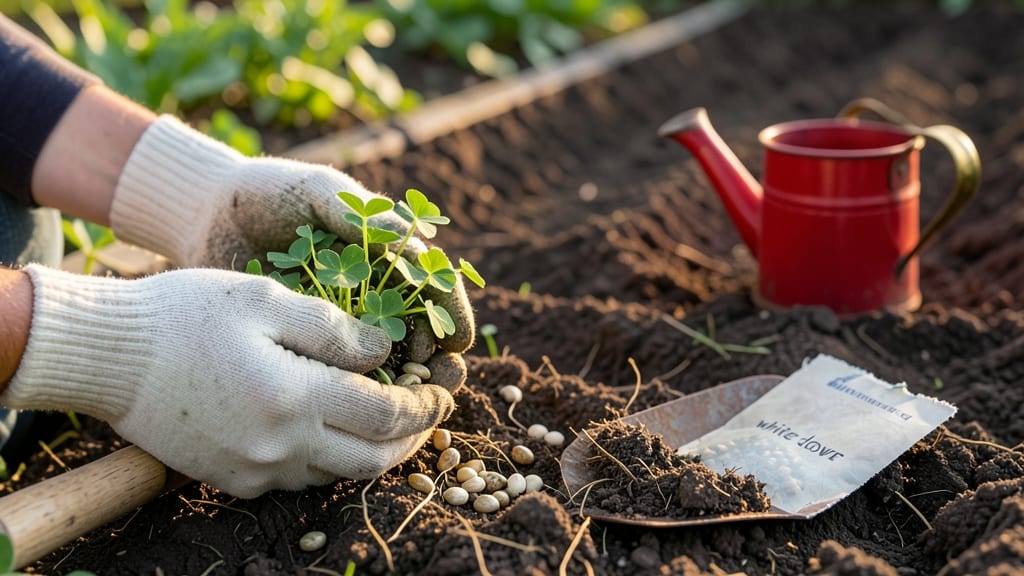
Timing your clover planting just right can transform your spring garden from a slow start to a fast-growing, vibrant green carpet in weeks. The key isn't just picking a month—it's waiting for that perfect soil warmth window when 🌱 clover seeds spring to life with confidence.
Most gardeners in zone 6a (and similar climates) make the mistake of planting too early, only to watch their seeds sit dormant in cold soil. I've learned the hard way that patience pays off—waiting for soil to hit 50-60°F makes all the difference for quick germination.
You'll discover exactly when to plant in your region, how to test your soil's readiness, and what to do if Mother Nature throws a curveball with late frosts. Let's break down the science and simple tricks to get your clover off to a flying start.
Whether you're prepping for a lush lawn or nitrogen-rich cover crop, these insights will help you avoid common pitfalls and maximize your clover's potential from day one. Ready to grow faster? Let's get started.
The ideal soil temperature for planting clover in spring
Clover thrives when planted in soil that’s warm enough to support rapid germination, typically between 50°F and 60°F. This temperature range ensures seeds sprout within 7-14 days instead of weeks.
Cooler soils delay growth, while warmer soils can cause seeds to dry out before sprouting. Understanding this window is key to avoiding slow or failed establishment.
Most gardeners in USDA zones 5-8 target early to mid-spring planting once daytime highs consistently hit 60°F. In colder zones (3-4), wait until soil warms to 55°F to prevent frost damage. Southern regions (9-10) can plant as early as February, but monitor moisture levels closely.
To test soil readiness, use a soil thermometer or the "finger test": press your finger into the soil. If it feels warm but not hot (like a lukewarm bath), it’s ideal.
Clover seeds need consistent moisture to germinate, so aim for 1-2 inches of rain or irrigation per week after planting.
Pro Tip: If your soil is still too cold, cover seeds with a light layer of straw mulch (½ inch) to retain warmth. This trick works especially well in northern climates where spring arrives slowly.
| Soil Condition | Ideal Temperature | Planting Window | Germination Time |
|---|---|---|---|
| Warm & Moist | 50°F–60°F | Early to Mid-Spring | 7–14 days |
| Cool & Dry | Below 50°F | Delay until soil warms | 3–6 weeks |
| Hot & Dry | Above 65°F | Late Spring (afternoon planting) | 10–21 days |
🌱 Soil Prep Tip: Add compost 2–3 weeks before planting to improve warmth retention.
Soil temperature isn’t just about the thermometer reading—organic matter and sun exposure also play roles. Dark, compost-rich soil absorbs heat faster than sandy loam.
If your garden sits in partial shade, plant clover in the sunniest spot available, even if it means sacrificing a corner of your veggie patch.
Another trick is to plant clover in raised beds, which warm up 2–3 weeks earlier than in-ground soil. Fill beds with a mix of topsoil and compost (70/30 ratio) to create the perfect microclimate. This method is especially useful for urban gardeners with limited space or poor native soil.
For those in cooler climates, consider cover crops like winter rye as a temporary ground cover. Till it into the soil 2–3 weeks before planting clover to boost organic matter and soil temperature. This "green manure" approach adds nitrogen while improving soil structure.
If you’re unsure about your soil’s readiness, observe nearby early spring bloomers like crocus or daffodils. When they’re in full bloom, your soil is likely warm enough for clover. This natural indicator aligns with 50°F–60°F soil temps in most regions.
Remember, clover seeds are tiny—½ inch deep is all they need. Use a seed starter mix or blend clover seeds with sand for even distribution. Lightly rake the soil after sowing to ensure seed-to-soil contact, which is critical for germination.
Once planted, maintain consistent moisture for the first 3–4 weeks. A light mulch (straw or shredded leaves) helps retain moisture and regulate soil temperature. Avoid heavy mulch, which can smother young seedlings.
By focusing on soil warmth and moisture balance, you’ll give clover the best possible start. Next, we’ll dive into month-by-month planting guides tailored to your climate zone—so you can set a precise calendar for your region.
The ideal soil temperature for planting clover in spring
Clover seeds need warm soil to germinate quickly, and the magic number is 50-60°F. Planting too early in cold soil delays growth, while waiting too long risks summer heat stress.
I’ve found that testing soil temperature with a simple soil thermometer (just $10 at garden centers) removes all the guesswork.
Most spring-planted clover varieties—like Dutch white clover or microclover—thrive when soil stays consistently above 50°F for at least 5 days. In USDA zone 6a, this typically aligns with late March to early April, but your exact timing depends on local frost patterns.
For cooler climates (zones 3-5), aim for late April or May to avoid frost damage. Warmer zones (7-10) can plant as early as February-March, but watch for sudden cold snaps that can stall germination.
A general rule: Wait until the ground feels warm to the touch about 2 inches deep.
| Soil Condition | Ideal Planting Time | Action |
|---|---|---|
| Soil temp 50-60°F | Late March–April (Zone 6a) | Plant seeds ¼ inch deep |
| Soil temp below 50°F | Wait 2-4 weeks | Use row covers for warmth |
| Soil temp above 65°F | Plant in early spring or fall | Provide afternoon shade |
If your soil is still cold but you’re eager to plant, try a cold frame or black plastic mulch to raise temperatures by 5-10°F. These tricks let you plant 2-3 weeks earlier without risking seed rot. Just be sure to remove covers once clover sprouts to prevent overheating.
For organic gardeners, adding a thin layer of compost before planting also warms the soil faster. The microbial activity generates heat, creating the perfect environment for clover seeds to wake up and grow. Think of it as giving your soil a cozy blanket!
Pro tip: Morning soil temperatures are always cooler, so check in the afternoon (2–4 PM) for the most accurate reading. This small habit saves you from planting too soon and waiting weeks for results.