
Planting
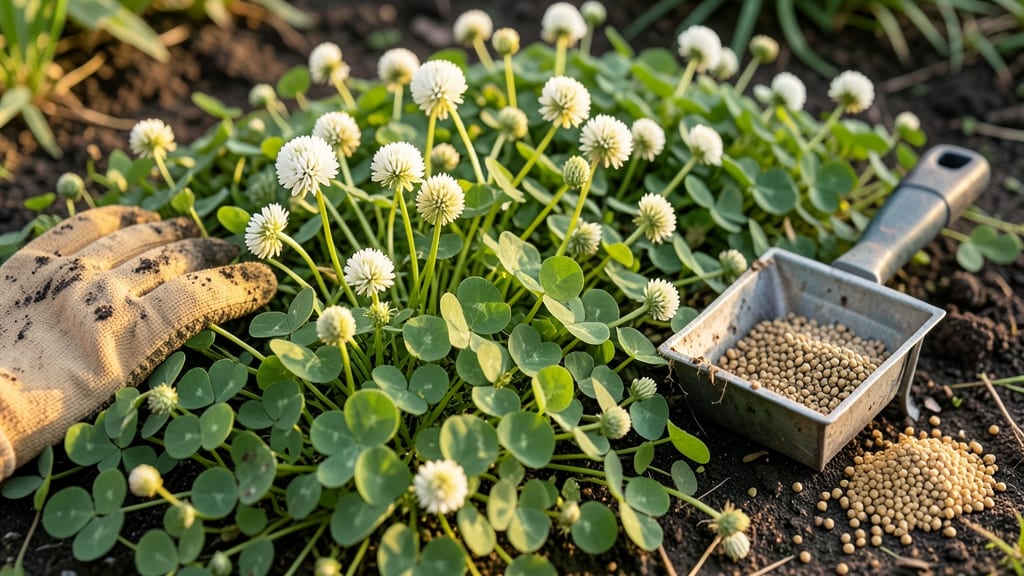
Deciding when to plant clover in your lawn can feel like a guessing game—especially when you're eager to see that lush, green coverage take hold.
The truth is, timing matters more than you might think, and getting it right means the difference between fast, healthy growth and months of waiting for sparse patches.
If you're in USDA Zone 6a (like many home gardeners), the ideal windows are early spring or early fall—when soil temperatures are cool but consistent. Spring planting lets clover establish roots before summer heat, while fall gives it time to settle before winter dormancy.
Both approaches work, but one might suit your climate better.
I’ve seen firsthand how proper timing transforms a patchy lawn into vibrant, low-maintenance ground cover. Whether you’re fixing bare spots or adding nitrogen-rich clover to your yard, the key is preparation: mowing low, loosening soil, and keeping moisture steady. Let’s break down the best strategies for your region.
Ready to skip the trial-and-error? I’ll walk you through exactly what to do—from seed to soil—to ensure your clover thrives from day one. No more wasted effort, just smarter planting for a lawn that stays green year-round.
Optimal planting seasons for clover: spring vs fall comparison
Deciding when to plant clover in your lawn can feel overwhelming, but the best times are actually quite straightforward: early spring or early fall. Both seasons offer ideal conditions for clover seed germination and root establishment, but they cater to different climate zones and regional considerations.
Let me break down the key differences so you can choose what works best for your lawn.
Spring planting typically begins as soon as the soil temperature reaches 50°F (10°C), usually around March or April in most U.S. regions. This timing allows clover to establish strong roots before summer heat arrives.
In contrast, fall planting should happen 6-8 weeks before the first frost, often in September or October, giving clover enough time to grow before winter dormancy sets in.
Here's a quick comparison to help you decide which season suits your lawn best:
If you live in a warmer climate like USDA zones 8-10, spring planting is ideal because clover thrives in mild temperatures and can establish quickly before summer drought sets in.
In contrast, cooler climates (zones 3-7) benefit more from fall planting, as the soil stays moist longer, reducing the risk of dormancy issues.
One key advantage of fall planting is that clover seeds germinate and grow slowly, avoiding the intense heat of summer. This gradual growth helps clover develop a stronger root system before winter, leading to faster spring recovery.
Spring planting, however, gives you a visible lawn improvement within the same growing season, which is great if you're aiming for quick results.
Regardless of which season you choose, soil preparation is critical. Test your soil's pH level (clover prefers 6.0-7.0) and amend it with compost or lime if needed. Also, consider mowing your lawn short (1-2 inches) before planting to create a better seedbed for clover seeds to establish.
Another factor to consider is your local rainfall patterns. If your area experiences dry summers, spring planting with supplemental watering might be your best bet. In regions with wet springs, fall planting could reduce the risk of waterlogged soil, which can stunt clover growth.
For northern states, fall planting is almost always the better choice because the growing season is shorter. In southern states, you can plant clover in both seasons, but spring often yields faster results.
Always check your local frost dates to time your planting perfectly—aim to plant clover seeds 4-6 weeks before the last frost in spring or 6-8 weeks before the first frost in fall.
Remember, clover is a perennial plant, meaning it will return year after year if established correctly. By choosing the right planting season, you're setting your lawn up for long-term success, reduced erosion, and improved soil health.
The key is to match your climate zone with the right timing for optimal growth.
Optimal planting seasons for clover: spring vs fall comparison
Deciding between spring and fall planting for clover can feel overwhelming, but both seasons offer unique advantages. The key is understanding how soil temperature, moisture levels, and regional climate influence establishment success.
Let me break down the pros and cons of each planting window to help you choose the best time for your lawn.
In spring, clover thrives when soil temperatures reach 50-60°F. This typically occurs after the last frost date, usually in March or April in most U.S. regions.
Spring planting gives clover 6-8 weeks of warm weather to establish roots before summer heat arrives. However, early spring planting risks cold snaps that can stunt growth.
| Factor | Spring Planting | Fall Planting |
|---|---|---|
| Ideal Months | March-April | September-October |
| Soil Temperature | 50-60°F | 60-70°F |
| Moisture Needs | Moderate (spring rains) | High (fall rains) |
| Establishment Time | 6-8 weeks | 8-10 weeks |
| Weed Competition | Low (early season) | Moderate (fall weeds) |
| Best For Regions | Cool climates (Zones 3-5) | Temperate climates (Zones 6-8) |
Fall planting, typically in September or October, allows clover to establish roots before winter dormancy. The cooler temperatures and consistent moisture create ideal conditions for root growth.
Many gardeners prefer fall because it reduces summer heat stress and gives clover a head start in spring. However, planting too late risks insufficient root development before frost.
Your local climate plays a crucial role. In northern regions, spring planting often works better due to shorter growing seasons. Meanwhile, southern climates with mild winters may benefit more from fall planting.
Always check your last frost date and aim to plant 4-6 weeks before the first expected frost for fall success.
For fastest results, I recommend spring planting in cool climates and fall planting in temperate zones. Both seasons can work well if you prepare your soil properly and monitor moisture levels closely. The right timing ensures your clover establishes quickly and outcompetes weeds for nutrients.
Remember, clover is drought-tolerant once established, but young plants need consistent moisture. Whether you choose spring or fall, aim for 1-2 inches of soil moisture weekly during the first growing season. This simple adjustment makes all the difference in achieving that lush, green lawn you're dreaming of. 🌱