
Plants
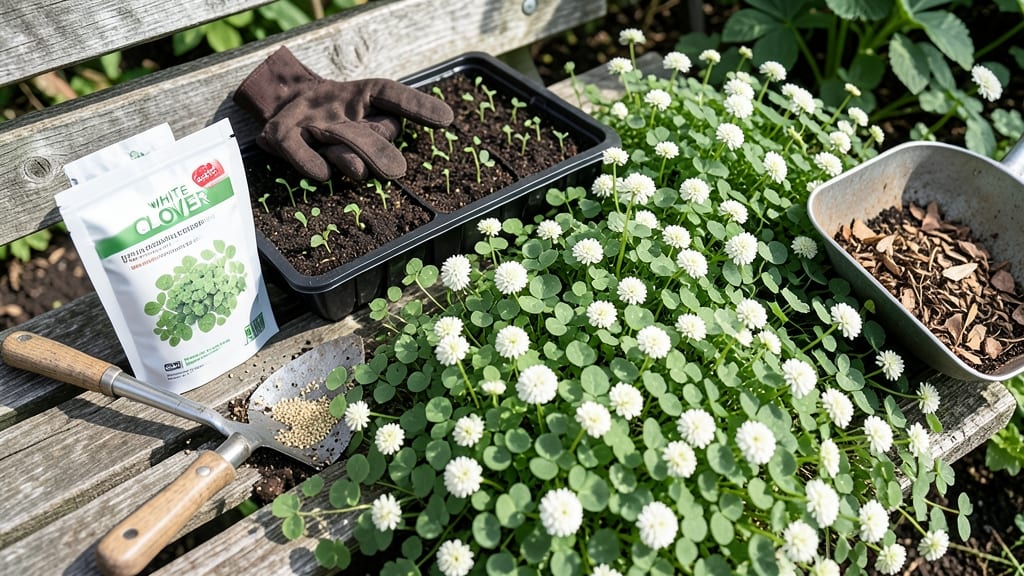
If you’ve ever wondered when to plant clover in Indiana and why your seeds seem to vanish into the state’s unpredictable soil, the answer lies in timing.
Planting clover at the wrong moment—whether too early in chilly springs or too late in the heat of summer—can turn your green dreams into a patchy disappointment. But here’s the good news: with the right window, you can establish lush, fast-growing clover that thrives year-round.
Indiana’s USDA Zone 6a climate gives you two prime opportunities: early spring (March-April) or early fall (September-October). These windows align with soil temperatures that encourage quick germination, while avoiding the extremes that stress young plants.
Whether you’re aiming for a nitrogen-rich cover crop or vibrant lawn coverage, getting it right means fewer weeds, healthier soil, and less wasted effort.
Let’s break down the fastest methods for success—from soil prep to companion planting—so you can skip the guesswork. By the end, you’ll know exactly when to plant, how to check soil readiness, and even how to troubleshoot common pitfalls.
Ready to transform your garden or farmland with clover that actually takes hold?
Don’t let another season slip by with patchy results. The secret to fast, reliable clover growth in Indiana starts with choosing the right moment—and we’ve got the data-backed steps to make it happen. Let’s get started.
Best planting windows for clover in Indiana: spring vs fall compared
Indiana’s USDA Zone 6a climate offers two prime windows for planting clover: early spring and early fall. Each season has unique advantages, but timing is critical to avoid frost damage or summer heat stress.
For red clover, white clover, and alsike clover, the ideal soil temperature for germination is 40–60°F, making these windows your best bet.
Spring planting typically starts in March or April, once the last frost date (around April 15) has passed. However, seeding too early risks frost damage, while waiting too long may expose seedlings to summer heat and drought.
Fall planting, on the other hand, should occur in September or early October, allowing seeds to establish roots before the first frost (October 15) without competing with summer weeds.
Northern Indiana (e.g., Lafayette, Fort Wayne) tends to have earlier frosts and cooler soils, so adjust planting dates 1–2 weeks earlier than southern regions like Evansville or Indianapolis. For example, if you’re in Zone 5b, aim for late April or early September instead.
Here’s a quick comparison to help you decide:
For red clover, which is more cold-hardy, fall planting is often ideal—it thrives in cooler weather and can overwinter better than other varieties. Meanwhile, white clover, a popular choice for lawns, benefits from spring planting because it establishes quickly and tolerates mowing.
If you’re planting for livestock forage, aim for a spring harvest by seeding in early spring. For soil improvement (like fixing nitrogen), fall planting ensures roots grow deep before winter, making the soil richer for next year’s crops.
In either case, avoid planting after August, as seedlings won’t have enough time to establish before frost.
To check if your soil is ready, use a soil thermometer—seeds won’t germinate well if the soil is below 40°F. In Indiana’s clay-heavy soils, warming up can take longer, so don’t rush!
A simple trick is to plant white clover first, as it germinates faster and can signal when red clover seeds are ready to go in.
Pro tip: If you miss the ideal window, consider no-till planting in late fall (November) for a spring emergence. This works best in southern Indiana where winters are milder. Just cover seeds lightly with straw to protect them from freezing.
Remember, clover is a legume, meaning it fixes nitrogen in the soil. Planting it at the right time ensures your lawn, garden, or pasture benefits from this natural fertilizer for years to come. 🌱
Best planting windows for clover in Indiana: spring vs fall compared
Indiana’s USDA Zone 6a climate creates a narrow window for planting clover successfully. Unlike hardy perennials, clover thrives when sown during cool soil temperatures—typically between 50°F and 65°F.
This means timing matters more than most gardeners realize, especially with Indiana’s unpredictable spring frosts that can delay planting until May.
For fastest germination, aim for early spring (March-April) or early fall (September-October). Spring plantings give clover 8-10 weeks to establish before summer heat, while fall plantings avoid drought stress and establish roots before winter dormancy. Both strategies work, but fall planting often yields stronger first-year growth.
Regional differences matter in Indiana: Northern counties (like Gary) have later last frosts (April 20), while Southern areas (like Evansville) can plant 2 weeks earlier. Always check your local frost dates—planting too early risks frost damage, while waiting too long means summer drought stress.
| Season | Best Months | Soil Temp | Pros | Cons |
|---|---|---|---|---|
| Spring | March-April | 50°F-65°F | Avoids summer drought | Risk of late frosts |
| Fall | September-October | 55°F-68°F | Stronger root growth | Limited time before frost |
For red clover, prioritize early spring—it germinates faster in warm soil. White clover, however, handles fall planting better due to its cold tolerance. Alsike clover sits in between but thrives in well-drained soils, making spring the safer bet for Indiana’s clay-heavy regions.
Pro tip: Use a soil thermometer to confirm temperatures before planting. If soil stays below 50°F for weeks, delay until conditions improve—clover seeds won’t sprout in cold soil. Pair this with a light mulch (straw or leaves) to stabilize temperatures.
Remember, Indiana’s microclimates can shift planting windows by 10-14 days. Urban areas like Indianapolis may warm faster than rural zones, so adjust accordingly. For maximum success, plant when daytime highs hit 60°F consistently—this signals ideal germination conditions.