
Plants
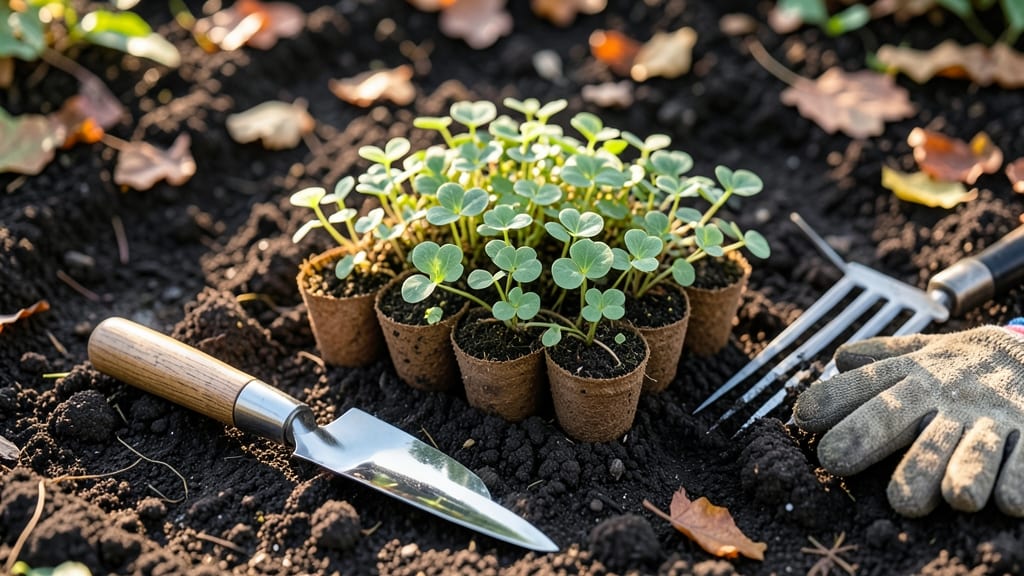
Figuring out when to plant clover in the fall can make the difference between a thriving winter cover crop and wasted seeds. If you've ever stared at your garden calendar wondering whether to plant now or wait, you're not alone—timing is everything for this hardy plant.
Clover loves cooler weather, and planting in late August through early October gives it the perfect head start before winter sets in. In USDA Zone 6a, where I garden, this window ensures your clover establishes strong roots before dormancy kicks in.
The key is getting those seeds in the ground 4-6 weeks before the first frost—not too early (or weeds will take over) and not too late (or the cold will slow germination).
Why does this matter? Fall-planted clover doesn’t just survive winter—it improves soil health by fixing nitrogen and suppressing weeds. Plus, it’s a pollinator magnet when it blooms in spring. But skip the ideal window, and you might end up with patchy growth or frost damage.
Let’s break down exactly how to nail your planting schedule for a lush, resilient cover crop.
Ready to transform your garden? I’ll walk you through zone-specific timing, soil prep tricks, and how to tell if you’ve planted at the perfect moment. No more guesswork—just a thick, green carpet of clover come spring.
Optimal fall planting windows for clover by US hardiness Zone
Timing your fall clover planting depends on your USDA hardiness zone and local frost dates. Planting too early risks weed competition, while waiting too long can leave clover vulnerable to winter frost.
Aim for 4-6 weeks before the first frost to give seeds time to germinate and establish roots before dormancy.
Clover thrives in cool-season conditions, making fall an ideal time to plant. In northern zones (3-6), start as early as late August to ensure strong root growth before winter. Meanwhile, southern zones (7-10) can plant later, even into early November, thanks to milder winters.
Your local average first frost date is your best guide. Check the USDA Plant Hardiness Zone Map or your local cooperative extension service for precise timing. For example, in Zone 5, plant by September 15, while Zone 8 gardeners can wait until October 15.
Here’s how to adjust your planting window based on your zone to maximize clover’s winter survival and spring growth:
| USDA Zone | Ideal Planting Window | Key Considerations |
|---|---|---|
| 3-4 | Late August - Early September | Short growing season; plant early to avoid early frosts. |
| 5-6 | Mid-August - Mid-September | Balanced window; aim for 6 weeks before first frost. |
| 7-8 | Late August - Late October | Milder winters; can plant later, but avoid heavy rains. |
| 9-10 | September - Early November | Warm winters; plant closer to frost dates for spring growth. |
If you’re unsure about your frost dates, use a 10-day rule: plant clover when daytime temperatures consistently stay below 75°F (24°C) but above 50°F (10°C). This sweet spot ensures seed germination without overheating the soil.
For northern climates, consider a light mulch after planting to protect young seedlings from early cold snaps. In southern regions, prioritize well-draining soil to prevent waterlogging during fall rains.
Clover’s ability to fix nitrogen in the soil makes it a powerhouse cover crop. Planting at the right time ensures it outcompetes weeds and establishes a dense mat before winter, setting the stage for healthier spring gardens.
Pro tip: Mix red clover and white clover for a diverse cover crop. Red clover grows faster but dies in winter, while white clover persists, providing year-round ground cover.
🌱
Signs your fall clover planting is too early or late
Planting clover in the fall is a delicate balance—too early, and you risk weed competition or overgrowth before winter; too late, and frost stunts germination. Watch for these key signs to adjust your timing for your climate.
If your clover sprouts slowly or patchily within 2-3 weeks, you likely planted too late. Cool soil temperatures below 50°F slow germination, and frost can kill tender seedlings. In USDA Zones 3-5, aim for September planting—any later risks winter dormancy before roots establish.
Conversely, if weeds like crabgrass or chickweed outcompete your clover, you planted too early. Fast-growing weeds thrive in warm fall soil, stealing nutrients and sunlight. Mulch lightly with straw or grass clippings to suppress weeds while letting clover establish.
Yellowing leaves or stunted growth after planting? This could signal frost damage or nutrient deficiency. In Zones 6-10, late October plantings may not survive winter—shift to early September instead. Test soil pH (ideal: 6.0-7.0) to rule out deficiencies.
Frost-sensitive varieties like white clover need 4-6 weeks to root before winter. If your area gets hard frosts by November, plant by mid-October. For hardier red clover, you can stretch to early November in milder zones.
Check for dense, lush foliage by late fall—a sign your clover is thriving. If growth is sparse or leggy, adjust next year’s timing or improve soil with compost. A healthy clover cover should look vibrant green and compact before winter dormancy.
🌱 Pro Tip: Use a soil thermometer to monitor temperatures. Clover germinates best in 60-70°F soil—plant when daytime temps stay above 55°F for consistent growth.
⚠️ Warning: Late Fall Planting Risks
❄️ Frost Damage: Seedlings won’t survive if planted within 2 weeks of first frost. Check your USDA Zone for local frost dates.
🌱 Weed Takeover: Warm soil + early planting = weed explosion. Mulch or use pre-emergent if weeds are rampant.
🌡️ Soil Too Cold: Below 50°F slows germination. Wait for stable 60°F+ soil temps for best results.