
Plants
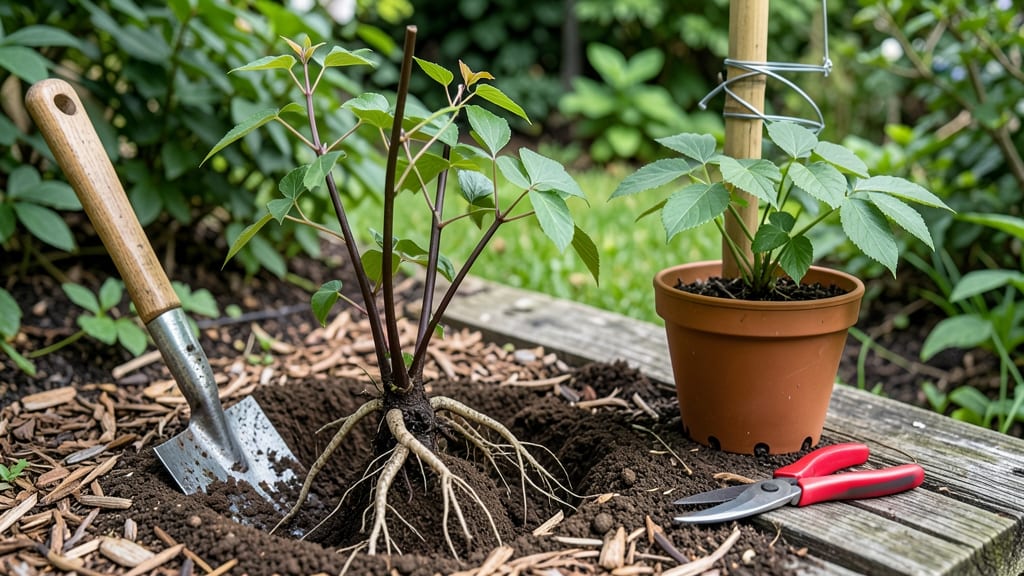
Planting clematis in Michigan isn’t just about grabbing a shovel and digging—it’s about timing your move to beat the 5b-6b zone’s fickle frost dates and give these stunning 🌸 vines the best shot at thriving.
Whether you’re dreaming of cascading blooms or a lush vertical garden, getting the timing right means the difference between a vine that flourishes and one that fizzles.
Most gardeners swear by early spring planting, but Michigan’s unpredictable weather can turn even the best-laid plans into a gamble. Should you plant in March when the ground is still cold, or wait until April when the soil warms up?
The answer depends on where you live in the state—and whether you’re willing to take a chance on fall planting for a head start next season.
In this guide, I’ll break down the best months to plant clematis in Michigan, from the Upper Peninsula’s cooler climate to Detroit’s urban heat islands. You’ll learn how to read your soil’s cues, adjust for container-grown vs. bare-root plants, and even whether fall planting is worth the risk.
Let’s get those roots in the ground the right way.
By the end, you’ll know exactly when to plant for maximum growth, how to prep your soil like a pro, and what to watch for in Michigan’s ever-changing spring weather. No more guessing—just confident planting that sets your clematis up for years of beauty.
Michigan’s optimal clematis planting months by hardiness Zone
Clematis thrives in Michigan’s USDA Zones 5b-6b, but the exact planting window depends on whether you’re in the Upper Peninsula (Zone 5b) or southern Michigan (Zone 6b). The last frost date shifts by weeks—critical for these frost-sensitive vines.
In Zone 5b, aim for late April to early May; in Zone 6b, you can start as early as mid-April.
Soil temperature is just as important as air temperature. Clematis roots need soil temps above 50°F (10°C) to establish properly.
Use a soil thermometer to confirm—waiting a week or two after the last frost ensures your vines aren’t shocked by lingering cold snaps. Frost-free dates in Michigan vary from April 15 (southern regions) to May 10 (Upper Peninsula).
For bare-root clematis, plant as soon as the soil is workable, typically March-April. Container-grown vines can handle late spring planting (May), but they’ll need extra watering and mulch to compensate for slower root establishment.
Michigan’s first frost risk looms large if you plant too late. In Zone 5b, early September is your cutoff; in Zone 6b, you can push to mid-October. Fall planting is riskier but can yield stronger root systems if done correctly.
| Region | USDA Zone | Best Planting Window | Soil Temp Requirement | First Frost Risk |
|---|---|---|---|---|
| Upper Peninsula | 5b | Late April–Early May | 50°F+ (10°C) | High (May 10 avg.) |
| Northern Lower Peninsula | 5b-6a | Mid-April–Early May | 50°F+ (10°C) | Moderate (May 1 avg.) |
| Detroit/Ann Arbor | 6b | Mid-April–Late May | 50°F+ (10°C) | Low (Oct 15 avg.) |
| Southern Michigan | 6b | Late March–Early May | 50°F+ (10°C) | Low (Oct 20 avg.) |
Michigan’s microclimates can shift planting windows by weeks. For example, southern Michigan’s urban heat islands (like Detroit) may warm up faster than rural areas. Monitor local weather forecasts and use Michigan State University’s frost date maps to fine-tune your timing.
Avoid planting during Michigan’s notorious April frost events, which can occur even after the last average frost date. If you’re unsure, opt for container planting—it gives you flexibility to move vines indoors if frost threatens. Mulch heavily (3-4 inches) to insulate roots during late spring cold snaps.
For bare-root clematis, soak roots in lukewarm water for 2-3 hours before planting to jumpstart root growth. This is especially critical in Michigan’s dry springs, where soil moisture can be unreliable. Pair this with a well-draining but moisture-retentive soil mix (60% garden soil, 30% compost, 10% perlite).
If you miss the spring window, fall planting (September-October) is a viable alternative—but only if your vines have 6-8 weeks to establish roots before winter. In Zone 5b, this narrows to early September; in Zone 6b, you have until mid-October.
Always mulch 6 inches deep to protect roots from freeze-thaw cycles.
Pro tip: Use Michigan’s lilac blooming calendar as a guide. When lilacs bloom, it’s safe to plant bare-root clematis in most regions. For container-grown vines, wait until after lilacs finish blooming to reduce frost risk.
Signs your Michigan soil is ready for clematis planting
Rushing to plant clematis in Michigan because the calendar says "spring" can backfire—especially when your soil is still too cold or waterlogged. Instead, watch for these 3 key signs that your soil is primed for planting, whether you're working with bare-root or container-grown vines.
First, check the soil temperature. Clematis roots need the ground to be at least 50°F (10°C). Use a soil thermometer or the "fist test"—if you can push your hand 6 inches deep without feeling chilly, it’s ready.
In Michigan’s 5b-6b zones, this usually aligns with mid-April in southern regions but waits until late April or early May in the Upper Peninsula.
For bare-root clematis, timing is even more critical. These vines are most vulnerable to frost damage when newly planted, so avoid setting them in the ground until you’ve confirmed no more hard frosts are expected.
Pro tip: If you’re planting in March (a risky month in Michigan), cover the crown with 4-6 inches of mulch and use a frost blanket for the first few nights.
Don’t forget to amend your soil before planting. Clematis thrive in well-draining, slightly alkaline soil (pH 6.5-7.5). Mix in compost or aged manure to improve fertility, and avoid heavy clay soils unless you’ve added organic matter.
If your soil drains poorly, create a raised bed or plant near a sloped area to prevent root rot.
Once you’ve checked these signs, it’s time to plant! Remember, early spring planting gives clematis 6-8 weeks to establish roots before Michigan’s first heatwave, while fall planting (if done correctly) can give them a head start.
Either way, water deeply after planting and keep the soil consistently moist for the first 30 days to encourage root growth.
🌱