
Plants
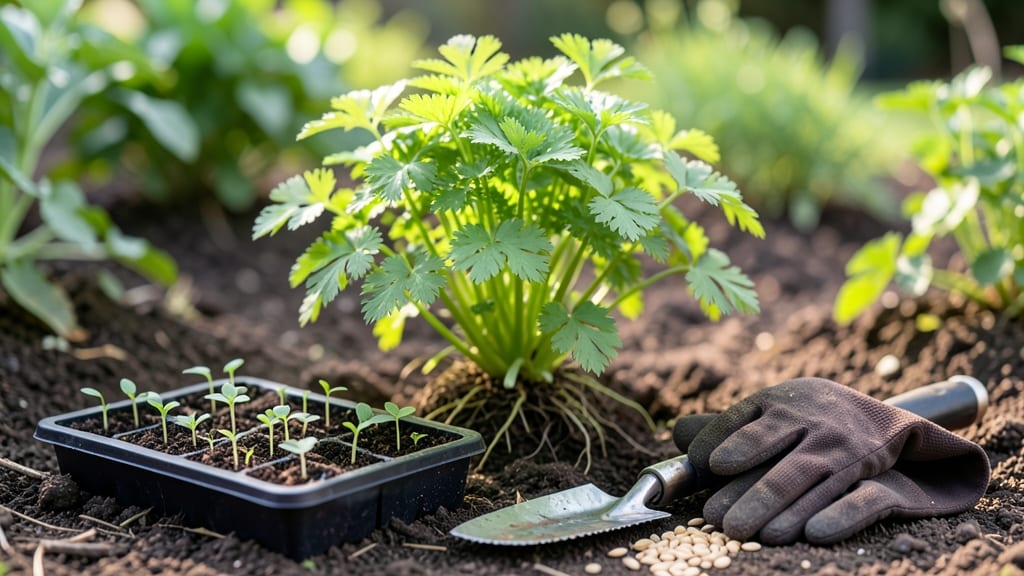
Planting cilantro in Oklahoma at the wrong time means watching your fresh 🌿 turn bitter and bolt before you can even use it—but getting the timing right unlocks a steady supply of flavorful leaves all season.
With Oklahoma’s 7a-8a climate, cilantro thrives in cool weather, making early spring and fall the sweet spots. Skip summer planting, and you’ll end up with a sad, heat-stressed herb that’s more trouble than it’s worth.
I’ve grown cilantro here for years, and the key is knowing exactly when to start seeds—like March-April for spring harvests and August-September for fall crops. These windows keep your plants happy and productive.
Ready to avoid the bolt disaster? Let’s break down the perfect planting schedule for Oklahoma’s unique growing conditions—plus pro tips to stretch your harvest longer than you thought possible.
Best planting windows for cilantro in Oklahoma’s climate zones
Cilantro thrives in Oklahoma’s cool-season windows, but the state’s USDA zones 7a-8a create microclimates that demand precision timing. Plant too early, and frost will kill seedlings; too late, and heat will trigger bolting within weeks. The sweet spot? Early spring (March-April) and late summer (August-September) for fall harvests.
Oklahoma’s average last frost date hovers around March 15, while the first frost typically arrives November 15. This 190-day frost-free window gives cilantro just enough time to mature before summer’s relentless heat.
In Zone 7a (northern OK), aim for March 1-15 plantings, while Zone 8a (south-central OK) can start February 20-March 1.
Here’s how to align your planting with Oklahoma’s climate zones to maximize harvests:
| Planting Window | USDA Zone | Ideal Soil Temp | Harvest Window | Key Tip |
|---|---|---|---|---|
| Early Spring | 7a-8a | 50-65°F | May-June | Use row covers for late frosts |
| Late Summer | 7a-8a | 60-70°F | October-December | Plant in partial shade |
| Fall Succession | 8a only | 65-75°F | November | Choose bolt-resistant varieties |
For Zone 7a gardeners, March 1-15 is critical—soil temperatures below 50°F stunt germination. Test your soil with a soil thermometer; cilantro seeds need 60°F+ to sprout reliably. In Zone 8a, you can push February 20 plantings if you use black plastic mulch to warm the soil faster.
Oklahoma’s summer heat (90°F+) triggers cilantro’s bolting response within 10-14 days. Even partial shade (30-50% block) can delay bolting by 2-3 weeks. Use shade cloth or plant under dappled trees to extend summer harvests.
My go-to variety for heat tolerance is ‘Santo’, which handles 85°F better than standard types.
Fall plantings after August 15 give cilantro a fighting chance before frost. Seedlings planted September 1-15 will mature just in time for Thanksgiving harvests.
In southern Oklahoma (Zone 8a), you can even squeeze in a late-October planting for a holiday herb garden—just cover with frost cloth after November 1.
Pro tip: Direct-sow cilantro rather than transplanting. Seedlings handle temperature fluctuations better than mature plants. Scatter seeds ¼-inch deep and keep soil moist until germination (7-14 days). Thin seedlings to 6-8 inches apart to prevent competition and improve air circulation.
Check your local frost dates via the Oklahoma Mesonet for precision. Even a 2-week shift in planting can mean the difference between flavorful harvests and bitter bolts. Start with small batches to test your microclimate’s ideal timing!
Best planting windows for cilantro in Oklahoma’s climate zones
Oklahoma’s USDA zones 7a-8a create unique challenges for growing cilantro, but with the right timing, you can enjoy fresh harvests all season. The key is planting when soil temperatures stay below 75°F—any hotter, and your cilantro will bolt within days.
My strategy focuses on two ideal windows: early spring and late summer/fall, each offering distinct advantages.
For spring plantings, aim for late February to early April—just after the last frost date (typically around March 15). This gives your cilantro a head start before Oklahoma’s summer heat arrives.
In fall, plant between mid-August and September to ensure harvests before the first frost (usually November 15). These windows align with cooler temperatures that cilantro craves.
Here’s how Oklahoma’s climate zones break down for cilantro success:
| Planting Window | Ideal Soil Temp | Oklahoma Zones | Harvest Window |
|---|---|---|---|
| Late February - Early April | 50-65°F | 7a-8a | April - May |
| Mid-August - September | 60-70°F | 7a-8a | September - November |
In Zone 7a (northern Oklahoma), you might extend spring plantings into early May, but watch for heat spikes. Conversely, Zone 8a (southern Oklahoma) can push fall plantings into early October for a longer harvest. Always check your local frost dates—they’re your gardening GPS for success.
Pro tip: Use a soil thermometer to confirm temperatures before planting. Cilantro roots prefer cooler soil, and even a few degrees above 70°F can trigger bolting. My rule of thumb? If the soil feels warm to your bare foot, wait a week or two.
For gardeners in urban Oklahoma City or rural Tulsa, microclimates matter. South-facing gardens heat up faster, so prioritize shade cloth (30-50%) during summer months if you’re experimenting with mid-summer plantings. Just be prepared for slower growth.
Timing is everything! Plant cilantro too early, and frost will kill it. Too late, and the heat will turn your herb into a bitter seed pod. But nail these windows, and you’ll enjoy fresh cilantro for salsas, soups, and salads from spring to fall—without the bolting headaches. 🌱