
Plants
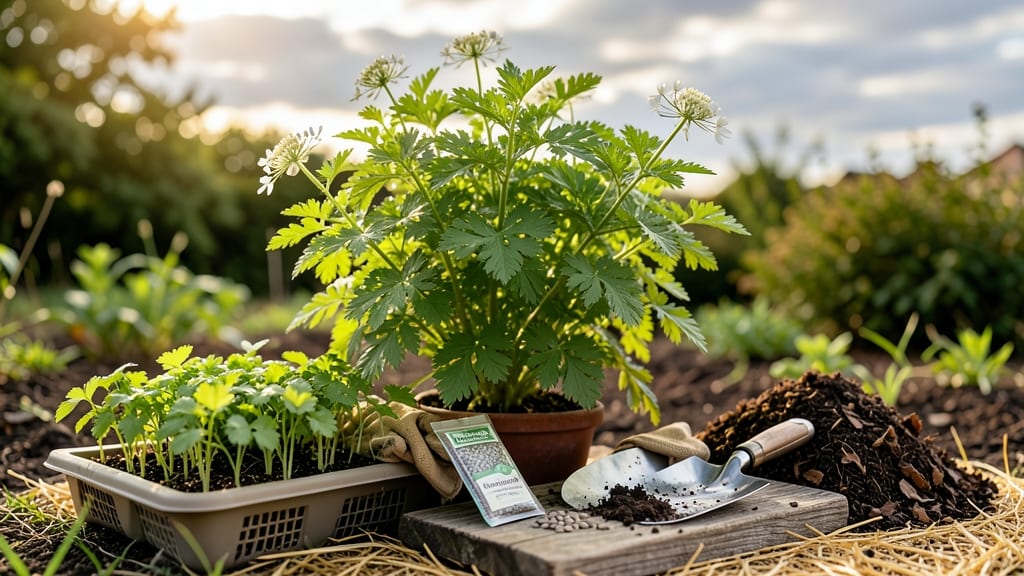
If you’ve ever planted cilantro in Florida only to watch it bolt into bitter flowers by the next week, you’re not alone. The key to growing fresh, flavorful 🌿 cilantro in Florida’s heat lies in understanding the perfect planting window—and it’s not as simple as “spring and fall.”
Florida’s microclimates—from the cooler highlands of North Florida to the humid coastal zones of South Florida—create wildly different growing conditions. What works in USDA Zone 9a might fail in Zone 11, and vice versa.
Without the right timing, your cilantro could either wilt in summer heat or rush to flower before you can harvest a single leaf.
In this guide, I’ll break down the exact months to plant cilantro in Florida, tailored to your region, plus proven tricks to keep it thriving year-round. Whether you’re a seasoned gardener or a beginner, these insights will help you harvest fresh cilantro for months—not weeks.
Ready to stop the bolting frustration? Let’s dive into the microclimate-smart schedule that’ll change your garden game.
Florida’s best cilantro planting months by microclimate zone
Florida’s climate is a gardener’s dream for year-round growing—but cilantro hates the heat. The key to zero-bolt cilantro lies in understanding your microclimate zone. North, Central, and South Florida each have unique temperature patterns that dictate the perfect planting windows for this cool-season herb.
In North Florida (USDA Zones 8a-9a), cooler temperatures arrive earlier, giving you a longer growing window. Meanwhile, South Florida (Zones 10b-11) stays warm year-round, requiring shade and careful timing. Let’s break down the ideal months for each zone to keep your cilantro lush and flavorful.
🌱 Florida Cilantro Planting Guide by Zone
| Zone | Best Planting Months | Avoid Planting | Key Considerations |
|---|---|---|---|
| North Florida (8a-9a) | September–March | June–August | Cooler nights prevent bolting; mulch to retain moisture. |
| Central Florida (9a-9b) | October–February | May–July | Use shade cloth in spring/fall transitions; water deeply. |
| South Florida (10b-11) | June–September, December–February | March–May, October–November | Partial shade required year-round; prioritize morning sun. |
🌡️ Pro Tip: Check your local USDA zone for precise timing—even a 10-mile difference can shift your ideal window by weeks.
For North Florida gardeners, aim to plant cilantro in late summer (August–September) to take advantage of the cooling trend toward winter. This gives your plants 60–90 days of ideal growing conditions before temperatures rise again.
If you’re in Central Florida, shift your focus to October–November for the best results.
South Florida presents unique challenges. The humid, warm climate means cilantro can bolt even in winter months. My best strategy? Plant in shaded containers during June–September, when temperatures are highest but humidity is slightly lower.
For year-round success, I stagger plantings every 4–6 weeks to ensure a continuous harvest.
Regardless of your zone, soil temperature is critical. Cilantro thrives when soil stays below 75°F. Use a soil thermometer to monitor conditions—if it’s creeping above 80°F, your cilantro will bolt within 2–3 weeks. In South Florida, this often means avoiding spring plantings entirely.
One of my top tips for Florida gardeners is to plant cilantro in raised beds. Raised beds warm up and cool down faster than in-ground soil, giving you more control over temperature fluctuations. Fill them with well-draining, organic-rich soil mixed with compost to retain moisture and provide nutrients.
Don’t overlook succession planting—this is the secret to a non-stop cilantro supply. In North Florida, I plant new seeds every 3–4 weeks from September through March. In Central Florida, I extend this to October–February, while South Florida gardeners can try monthly plantings in shaded areas.
Finally, pay attention to moon phases for optimal planting. Sowing cilantro during the waxing moon (when the moon is growing) encourages leafy growth, while planting during the waning moon may lead to faster bolting. This is especially useful in Florida’s unpredictable weather patterns.
With these microclimate-specific strategies, you’ll avoid the bitter bolt curse and enjoy fresh cilantro straight from your garden all year. The key? Know your zone, time your plantings, and give your cilantro the shade it craves in Florida’s heat.
Florida’s best cilantro planting months by microclimate zone
Florida’s climate is anything but uniform—what works in North Florida’s cooler highlands (like USDA Zone 9a) might fail in South Florida’s humid Zone 11. The key to cilantro success lies in planting at the right time for your specific region.
Let’s break it down by zone to avoid the dreaded bolting and maximize leaf production.
For North Florida (Zones 8a-9a), your best window is September through March. Cooler temperatures slow bolting, and you can even squeeze in a late summer planting (June-August) with shade cloth.
In Central Florida (Zones 9b-10a), aim for October to February, while South Florida (Zones 10b-11) thrives with September-November and February-April plantings.
🌱 Florida Cilantro Planting Guide by Zone
| Zone | Best Planting Months | Avoid Planting | Key Tip |
|---|---|---|---|
| North Florida (8a-9a) | Sep-Mar, Jun-Aug (with shade) | Apr-May (heat stress) | Use row covers in winter for frost protection |
| Central Florida (9b-10a) | Oct-Feb, Jun-Jul (with shade) | Mar-May (bolting risk) | Plant near tall crops for natural shade |
| South Florida (10b-11) | Sep-Nov, Feb-Apr | May-Aug (extreme heat) | Use 30% shade cloth in summer months |
Even within these zones, microclimates matter. Coastal areas stay warmer longer than inland spots, so adjust your timing by 1-2 weeks if you’re near the ocean. For example, Miami’s Zone 11 might handle April plantings where Orlando’s Zone 10a would struggle.
Pro tip: Succession planting every 2-3 weeks during your zone’s ideal window ensures a continuous cilantro supply. For instance, in North Florida, plant September 1st, September 15th, and October 1st for staggered harvests.
This works especially well for container gardening, where you can rotate pots into shade as needed.
Remember, cilantro bolts when stressed—whether from heat, drought, or poor soil. By aligning your planting with your zone’s coolest months and using shade strategically, you’ll avoid the bitter disappointment of wasted plants. Next, we’ll dive into Florida-specific tricks to keep your cilantro leafy and flavorful all season. 🌿