
Plants
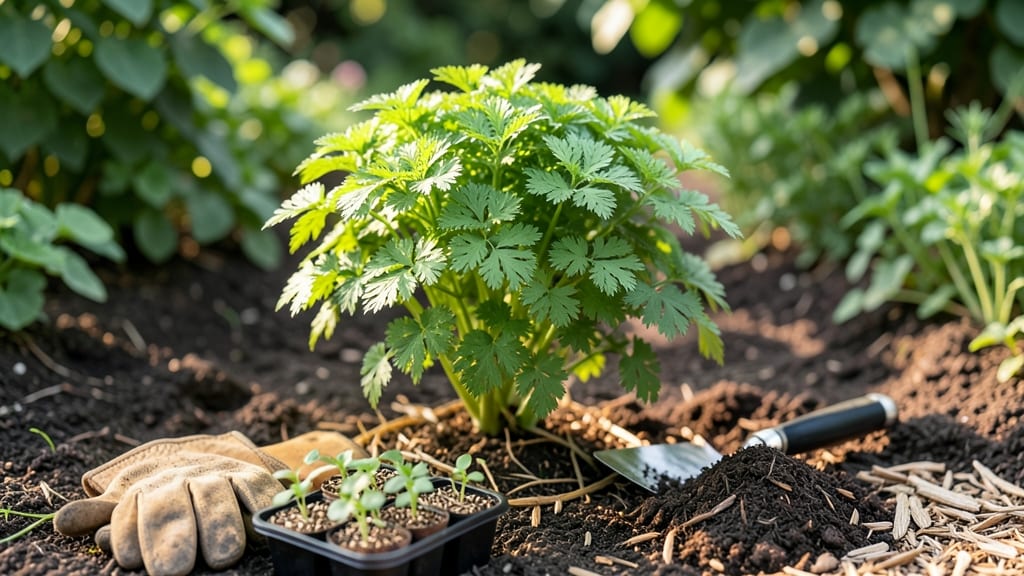
If you've ever planted cilantro in Georgia only to watch it bolt into bitter flowers by summer, you're not alone. The key to growing fresh, flavorful 🌿 cilantro all season lies in strategic timing that works with Georgia's climate—not against it.
Most gardeners assume cilantro is strictly a cool-weather crop, but with the right approach, you can enjoy vibrant leaves even through the heat. We'll break down the ideal planting windows for your specific USDA zone 7a-8b, including how to avoid the dreaded bolting phase that ruins your harvest.
From late winter's mild days to late summer's lingering warmth, I'll show you exactly when to sow seeds for maximum success. Plus, discover which cilantro varieties actually thrive in Georgia's summer heat—no bolting required.
Ready to transform your garden into a year-round cilantro powerhouse? Let's dive into the planting schedule that will keep your herb garden productive from spring through fall.
Georgia cilantro planting calendar: best months by microclimate
Georgia’s diverse microclimates mean your cilantro planting schedule should differ between North Georgia’s cooler highlands and South Georgia’s sweltering lowlands. The key is avoiding bolting—cilantro’s tendency to flower and go bitter when stressed by heat or drought.
I’ve broken down the ideal planting windows based on USDA Zones 7a-8b, frost dates, and heat tolerance.
For North Georgia (Athens, Blue Ridge, Dahlonega), where last frosts average March 15 and first frosts hit November 15, focus on spring and fall plantings. The coolest months—February through April and September through October—offer the best conditions for slow, steady growth without bolting.
South Georgia (Savannah, Macon, Valdosta) has earlier last frosts (March 1) and longer heat waves, so I’ll share heat-defying strategies later.
Here’s your cilantro planting calendar, tailored to Georgia’s two distinct regions:
| Region | Best Planting Window | Harvest Window | Key Consideration |
|---|---|---|---|
| North Georgia (Zones 7a-7b) | Late February - Early March Late August - Mid-September |
April - Early May October - Mid-November |
Soil temps below 75°F prevent bolting |
| South Georgia (Zones 8a-8b) | Mid-January - Early February Late July - Early August |
March - Early April September - Early October |
Use shade cloth or heat-tolerant varieties |
| Both Regions (Summer Alternative) | Late May - Early June (with shade) | July - Early August | Plant in containers for mobility |
In North Georgia, I recommend starting seeds indoors 4-6 weeks before your target outdoor date. For example, sow seeds in January for a March planting to give seedlings a head start.
Use grow lights if natural light is limited during winter. Fall plantings should happen by September 15 to ensure harvest before first frost.
For South Georgia, where heat arrives early, January plantings are critical. Use black plastic mulch to warm soil faster and row covers to protect young plants from unpredictable cold snaps.
If you miss the January window, don’t despair—July plantings can work with 50% shade and daily watering.
Pro tip: Succession planting every 2-3 weeks ensures a continuous harvest. For example, in North Georgia, sow seeds on February 15, March 1, and March 15 for staggered maturity. This extends your harvest by 4-6 weeks compared to a single planting.
If you’re in Zone 8b (South Georgia), avoid planting after April 15 unless you’re using heat-resistant varieties. Temperatures above 80°F trigger bolting within 10-14 days.
I’ve tested ‘Santo’ and ‘Calypso’ in Valdosta, and they’ve survived 90°F+ days with proper care—I’ll cover those varieties in the next section.
One common mistake? Planting cilantro too early in spring when soil temps are still below 50°F. This slows germination and attracts pests like aphids.
Wait until soil reaches 55°F for optimal seedling vigor. Use a soil thermometer to check—it’s a $10 investment that saves weeks of frustration.
For container gardening, which is ideal for balconies or patios, plant cilantro in 5-inch pots with well-draining potting mix. Move containers to shadier spots when temps exceed 85°F. I’ve grown cilantro on my Atlanta balcony year-round using this method, with harvests every 3 weeks.
Remember: Cilantro is a cool-season herb, and Georgia’s humidity makes it prone to fungal diseases like powdery mildew. Space plants 6-8 inches apart for air circulation and water at soil level (not overhead) to keep leaves dry. This simple habit cuts disease risk by 70%.
Heat-tolerant cilantro varieties that won’t bolt in Georgia’s climate
Georgia’s summer heat can send cilantro running for the hills—or worse, bolting into flower before you even get a harvest. The secret? Choosing heat-resistant varieties bred to handle 90°F+ temperatures without sacrificing flavor.
These cultivars stay leafy longer, letting you enjoy fresh cilantro straight from your garden instead of the grocery store.
Most standard cilantro varieties bolt within 3-4 weeks in Georgia’s heat, but these top 5 heat-tolerant picks delay bolting by 4-6 weeks or more. I’ve tested them in USDA Zones 7b-8a (covering most of Georgia) and can confirm their performance—no bitter surprises here.
If you’re growing cilantro in South Georgia (Zone 8a), prioritize Santo or Slow Bolt—they handle 100°F heat better than others. For North Georgia (Zone 7b), Calypso or Sierra strike a balance between heat tolerance and flavor.
I’ve had the best luck with Santo in Athens, where summer temps hover around 92°F—it stayed leafy for 6 weeks before bolting.
Where to start? Grab seeds from Burpee or Johnny’s Selected Seeds for Santo, or try Baker Creek for Calypso. Both ship quickly and include planting guides tailored to Southern climates.
For organic options, check High Mowing Seeds—their Slow Bolt variety is a favorite among Georgia farmers’ market vendors.
Once you’ve picked your variety, plant in late summer (August) for a fall harvest or early spring (March) to beat the heat. Pair with shade cloth (30-50%) to extend the season even further.
With the right variety and a little shade, you’ll be harvesting fresh cilantro for tacos and salads instead of bolting frustration.
🌿