
Plants
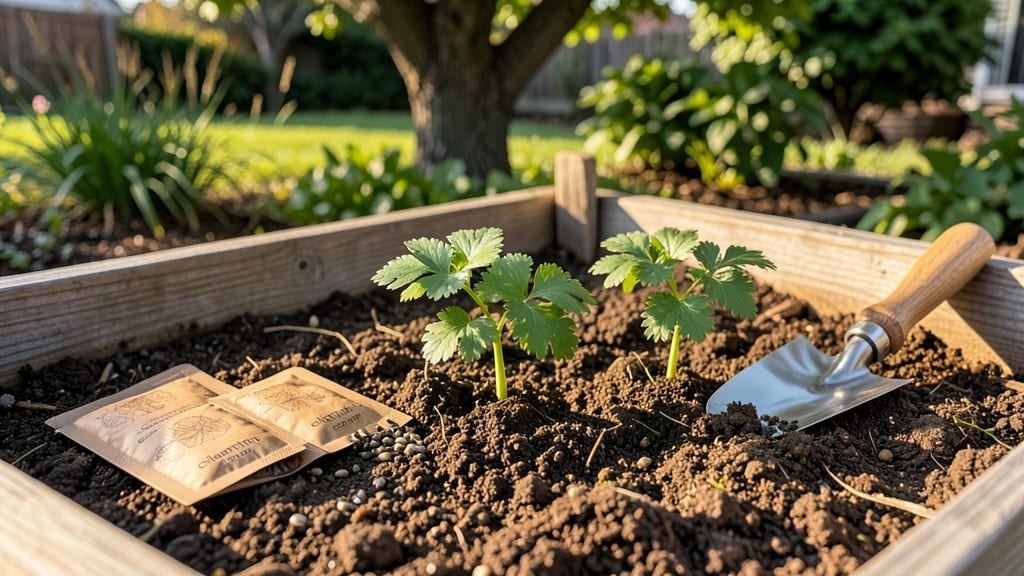
If you’ve ever planted cilantro in North Carolina only to watch it bolt into flower or wilt in the heat, you’re not alone.
The key to growing fresh, flavorful cilantro 🌿 lies in planting it at the right time—before the temperatures climb past 80°F and after the last frost has passed.
In North Carolina’s USDA zones 6b-8a, timing is everything. Plant too early, and frost will damage your crop; too late, and your cilantro will turn bitter or bolt before you can harvest.
The best windows are late winter to early spring (March-April) and late summer to early fall (August-September)—just in time for a fresh harvest before winter sets in.
Whether you’re a seasoned gardener or just starting, I’ll break down the exact months to plant cilantro in NC, how to avoid common pitfalls, and the best varieties for your climate. Let’s get your garden growing the right way.
By following these simple steps, you’ll enjoy a steady supply of fresh cilantro all season long—no more wasted plants or bitter surprises. Ready to learn the secrets to a thriving cilantro patch?
North Carolina cilantro planting calendar by USDA zone (7a-8b)
North Carolina’s USDA zones 7a-8b create a unique challenge for cilantro growers. The key to success lies in planting during cooler months when temperatures stay below 80°F.
In these zones, cilantro thrives in spring and fall, avoiding the brutal summer heat that triggers bolting. Let’s break down the exact planting windows for each season.
For spring planting, aim to sow seeds 4-6 weeks before your last frost date.
In most of NC, this means late February to early March in zone 8b and early March to mid-March in zone 7a. Your cilantro will be ready to harvest just as summer begins, giving you fresh leaves before the heat sets in.
Fall planting is equally critical. Start sowing late August to early September to ensure your cilantro matures before the first frost hits in mid-to-late November. This timing lets you enjoy a second harvest just as the weather cools down.
Here’s a quick reference for your North Carolina cilantro planting calendar, tailored to USDA zones 7a-8b:
If you’re in zone 8b, you might even squeeze in a winter crop by planting in mid-October. Just be prepared to protect your plants with row covers if temperatures dip below 32°F. This late-season planting can yield tender cilantro just in time for holiday cooking.
For zone 7a, winter planting isn’t recommended due to harsher frosts. Focus instead on succession planting every 2-3 weeks during your spring and fall windows to ensure a continuous harvest. This method keeps your garden productive and minimizes wasted space.
Always check your local last frost date using resources like the NC State Extension or Old Farmer’s Almanac. These tools provide hyper-localized data that can adjust your planting schedule by 1-2 weeks, depending on your exact location within the state.
Remember, cilantro is a cool-season crop, meaning it prefers temperatures between 50°F and 75°F. Planting outside these ranges risks bolting (premature flowering) or poor germination. Monitor your garden’s microclimate—shady spots or areas near large trees can stay cooler longer, extending your growing season.
Pro tip: Use a soil thermometer to confirm soil temperatures are above 40°F before planting. Cilantro seeds won’t germinate well in cold soil, so patience is key if you’re planting early in the season.
By following this NC-specific planting calendar, you’ll avoid the common pitfalls of frost damage and heat-induced bolting, ensuring a steady supply of fresh cilantro all year round.
North Carolina cilantro planting calendar by USDA zone (7a-8b)
North Carolina’s USDA zones 7a-8b create distinct planting windows for cilantro. In zone 7a (western NC), you can start as early as February 15, while zone 8b (coastal areas) allows planting until April 15 for spring crops.
The key is planting 4-6 weeks before your last frost date—typically mid-March for most of the state.
For a fall harvest, aim for late summer sowing (August-September). This timing lets cilantro mature before cooler temperatures arrive in October-November. In zone 7a, your last window closes by September 15, while zone 8b can extend until October 1.
Here’s your NC cilantro planting calendar broken down by zone and season:
| Season | USDA Zone 7a | USDA Zone 7b | USDA Zone 8b |
|---|---|---|---|
| Spring Planting | Feb 15 - Mar 15 | Feb 28 - Apr 1 | Mar 15 - Apr 15 |
| Fall Planting | Aug 1 - Sep 15 | Aug 15 - Sep 30 | Aug 1 - Oct 1 |
| Temperature Threshold | Below 80°F | Below 80°F | Below 80°F |
| Harvest Window | Apr 15 - May 30 | Apr 15 - Jun 15 | May 1 - Jun 15 |
If you’re in zone 7a and plant cilantro in February, use row covers to protect against late frosts. In zone 8b, extend your fall harvest by planting shade-tolerant varieties like 'Calypso' under 30% shade cloth as temperatures rise above 75°F.
Pro tip: Use a planting thermometer to monitor soil temps. Cilantro germinates best in 60-75°F soil. If temps drop below 50°F, germination slows dramatically, delaying your harvest by 2-3 weeks.
For a continuous supply, stagger plantings every 2-3 weeks during your zone’s ideal window. This ensures fresh cilantro leaves all season long without gaps caused by bolting or harvest cycles.