
Plants
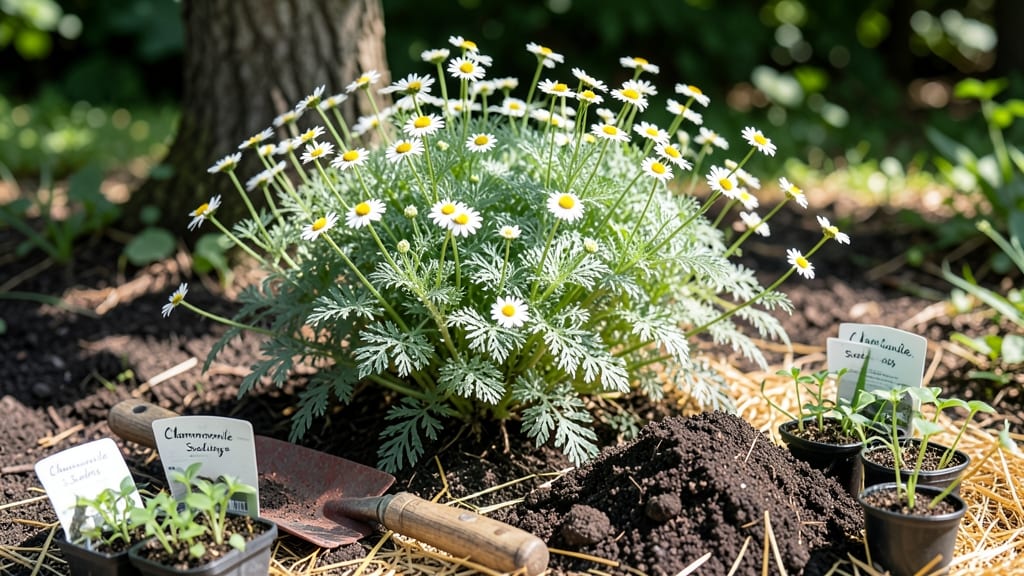
Planting chamomile in Texas at the wrong time can turn your 🌼 dreams into a bolting disaster—one minute you’re dreaming of fragrant blooms, the next you’re wrestling with heat-stressed seedlings or frost-nipped leaves.
The key to success lies in understanding Texas’s unique USDA Zones 8a-10b, where timing isn’t just about seasons but also microclimates that can shift from sweltering to freezing in a heartbeat.
If you’ve ever wondered why your chamomile plants either bolt too early or struggle to establish roots, you’re not alone. The solution starts with planting during Texas’s ideal windows: late summer through fall (September–November) or early spring (February–March).
These periods give your chamomile the perfect balance of cool soil temperatures and moisture to thrive without the stress of extreme heat or winter freezes.
What makes Texas chamomile gardening tricky is the drought tolerance factor—your plants need to avoid both summer’s scorching sun and the risk of late-season frost.
Whether you’re in the Hill Country or the Gulf Coast, knowing when to plant ensures your chamomile matures strong enough to handle Texas’s unpredictable weather without sacrificing flavor or yield.
In this guide, I’ll break down the exact planting schedule for your zone, share Texas-specific tips to prevent bolting, and help you choose the right chamomile varieties for your local climate. Let’s get those fragrant blooms growing the right way—no guesswork, just results.
Texas chamomile planting calendar: month-by-month breakdown for zones 8-10
Texas' USDA Zones 8-10 create a unique challenge for chamomile growers—scorching summers and unpredictable freezes demand precise timing. The ideal planting window spans September through November for fall blooms or February through March for spring harvests, aligning with Texas' frost-free periods.
In North Texas (Zone 8a), last frost typically arrives by January 31, while South Texas (Zone 10b) enjoys frost-free conditions until December 15.
This variation means Zone 8 gardeners should plant 6-8 weeks before first frost (usually by October 15), while Zone 10 growers have until November 15.
Spring planting in Texas requires patience—chamomile thrives in cool soil temperatures (60-70°F). Wait until soil temps drop below 80°F after March 15 to avoid heat stress that triggers bolting. Use a soil thermometer to monitor conditions in your specific microclimate.
Here’s how Texas regions differ in their planting schedules:
For fall planting, aim to establish roots 6-8 weeks before first frost. In North Texas, this means sowing by October 15, while South Texas can extend until November 15.
Use row covers in late fall to protect young plants from unexpected cold snaps, especially in Zone 8a.
Spring planting in Texas requires soil temperature monitoring. Wait until soil temps drop below 80°F—typically after March 15—to prevent heat-induced bolting. In Zone 10b, you can start as early as February 28, but use shade cloth (30-50%) during midday to regulate temperatures.
Texas' drought conditions make watering consistency critical during establishment. After planting, maintain even soil moisture (about 1 inch per week) until plants reach 3-4 inches tall. Once established, chamomile becomes drought-tolerant, but deep watering every 7-10 days ensures optimal growth.
Pro tip: Use mulch (2-3 inches) around plants to retain moisture and regulate soil temperature. Organic mulches like straw or shredded leaves also suppress weeds, reducing competition for nutrients and water during Texas' hot, dry spells.
Remember, chamomile's bolting sensitivity to heat means timing is everything. By following this region-specific schedule, you’ll enjoy fragrant blooms from April-May (spring) or October-November (fall), with minimal risk of premature flowering.
Texas chamomile planting calendar: month-by-month breakdown for zones 8-10
Texas’s diverse microclimates mean your chamomile planting schedule should vary slightly between North Texas (Zone 8a) and South Texas (Zone 10b). While both regions share the same ideal windows—September–November for fall and February–March for spring—the exact timing depends on your last frost date and summer heat intensity.
In Zone 8a, where frosts can linger until late January, aim to plant chamomile 6–8 weeks before your first frost (typically by October 15). For Zone 10b, where frost is rare and summer heat is brutal, focus on September planting to avoid bolting during the hottest months.
Here’s the breakdown you need to avoid common pitfalls like heat stress or winter dieback:
| Month | Zone 8a (North Texas) | Zone 9a (Central Texas) | Zone 10b (South Texas) |
|---|---|---|---|
| August | 🌱 Start seeds indoors (if needed) | 🌱 Direct sow possible (shade cloth recommended) | ❌ Avoid (too hot) |
| September | ⭐ Ideal (6-8 weeks before frost) | ⭐ Ideal (cool soil temps) | ⭐ Ideal (avoid summer heat) |
| October | ⭐ Ideal (best for Zone 8a) | ⭐ Ideal (cooler nights) | ✅ Good (but watch for early frost) |
| November | ✅ Good (if frost-free) | ✅ Good (mild winters) | ✅ Good (avoid late frost) |
| February | ⭐ Ideal (spring planting) | ⭐ Ideal (after last frost) | ⭐ Ideal (spring growth) |
| March | ✅ Good (but watch for heat) | ✅ Good (early spring) | ✅ Good (but shade needed) |
| April–May | ❌ Risk of bolting | ❌ Too hot (shade required) | ❌ Avoid (extreme heat) |
Key: ⭐ = Best time | ✅ = Good time | ❌ = Avoid | 🌱 = Seed starting
For Zone 10b gardeners, summer planting is a no-go—chamomile bolts when soil temps exceed 80°F. Instead, opt for September sowing and use 30% shade cloth if planting in late spring. In Zone 8a, late fall plantings (November) risk frost damage, so prioritize October for the safest results.
Pro tip: Use Texas A&M’s frost maps to pinpoint your exact last frost date. For example, San Antonio (Zone 8b) averages its last frost on January 31, while Houston (Zone 9a) rarely sees frost after December 15. Adjust your schedule accordingly to maximize your chamomile’s harvest window.
Once you’ve locked in your planting month, focus on soil prep. Chamomile thrives in well-draining soil with a pH of 6.0–7.0. In Texas’s heavy clay soils, amend with compost or sand to prevent waterlogging, which can stunt growth.
Mulch with straw or pine needles to retain moisture and regulate soil temperature—critical for avoiding bolting in our unpredictable climate.