
Plants
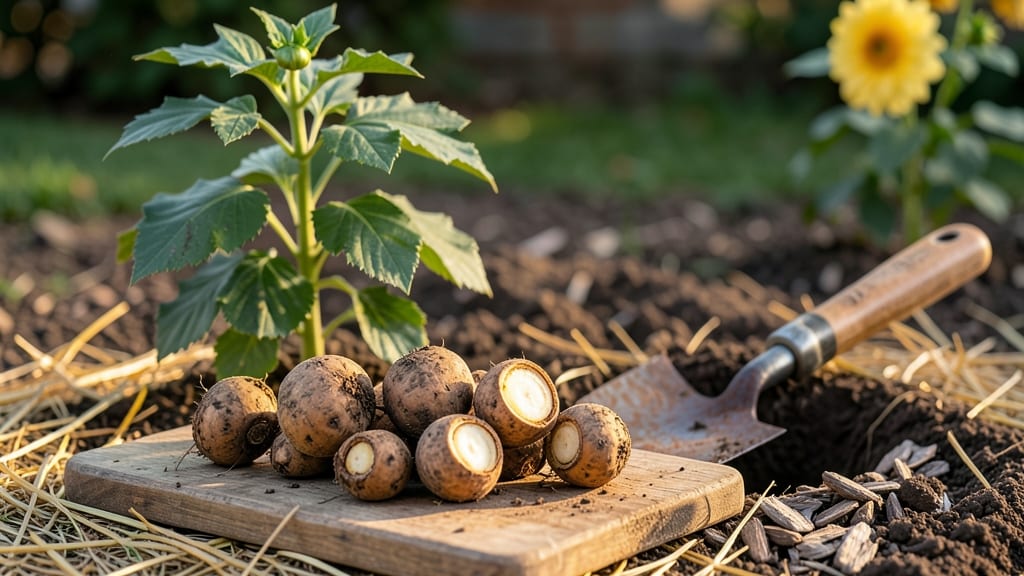
Knowing when to plant dahlias in Zone 9b can mean the difference between a garden bursting with 🌼 bold blooms and wilted disappointment. Unlike cooler climates, Zone 9b’s year-round warmth means you’ve got flexibility—but timing still matters to avoid heat stress or stunted growth.
Most gardeners in Phoenix or Southern California deserts reach for their tubers in late winter, but that’s not the only window. The key is waiting until soil temperatures hit 60°F, which typically lands in March or early April.
Planting too early risks bolting (premature flowering), while late starts may struggle in peak summer heat.
I’ll walk you through the exact schedule, including how to prep tubers for success and extend your blooming season. Whether you’re a first-time gardener or a seasoned pro, these tips will help you avoid common mistakes and keep your dahlias thriving all summer long.
Ready to unlock the secrets to heat-resistant dahlias? Let’s get your garden prepped for the most vibrant display of the season.
Optimal planting windows for dahlias in Zone 9B: heat tolerance vs. frost risk
Zone 9B’s frost-free climate means dahlias can bloom year-round if planted at the right time—but heat stress and soil temperature still dictate your best windows. Unlike cooler zones, you’ve got two prime planting periods: early spring for classic blooms and late summer for fall color.
Let’s break down the exact timing and why it matters.
Your first planting window opens when soil temps hit 60°F (15°C), typically in late February to early March. This gives tubers time to establish roots before summer’s intense heat arrives.
Coastal areas like San Diego may plant 2-3 weeks earlier than inland deserts like Phoenix, where soil warms faster.
For fall blooms, your second window is late July to early August. Planting then lets dahlias establish before cooling temperatures slow growth. However, avoid planting after August 15—tubers won’t have enough time to root before winter dormancy.
Here’s the comparison-table for Zone 9B’s planting windows, including microclimate adjustments:
| Planting Window | Soil Temp Threshold | Best For | Zone 9B Microclimate Adjustments |
|---|---|---|---|
| Late February - Early March | 60°F (15°C) | Spring blooms | Coastal: 2-3 weeks earlier Inland: Wait until March 15+ |
| Late July - Early August | 65°F (18°C) | Fall blooms | High desert: July 20+ Coastal: August 1+ |
Why does timing matter so much in Zone 9B? Dahlias hate cold soil, which can cause rot or stunted growth.
Planting too early (before 60°F) risks tuber rot, while planting too late (after August 15) shortens your bloom season. Heat-loving varieties like ‘Café au Lait’ or ‘Bishop’ thrive with these windows, but temperate types may need shade cloth in peak summer.
Another critical factor: day length. Dahlias in Zone 9B experience longer daylight hours year-round, which can trigger early bolting (premature flowering) if planted too soon. To prevent this, pre-sprout tubers indoors 4-6 weeks before outdoor planting. I’ll cover this in-depth in the next section!
For coastal gardeners, humidity and ocean breezes can delay soil warming. Test your soil with a moisture meter—if it’s still cool in March, wait another week. Inland areas? Soil warms faster, so don’t hesitate to plant as soon as temps hit 60°F.
One common mistake I see in Zone 9B is planting tubers directly in hot summer soil without acclimating them. Direct-sowing in August heat can shock tubers, leading to wilting within days.
Instead, pre-sprout tubers in pots for 2 weeks before transplanting. I’ll share my exact method in the next section.
Remember: Zone 9B’s heat is your ally—but only if you plant at the right time. Miss the window, and you’ll be fighting heat stress or shortened seasons all year. Let’s make sure your dahlias get the bold, long-lasting blooms they’re famous for!
🌼
How to extend your dahlia season in Zone 9B: prepping tubers for early or late planting
Zone 9B’s long growing season means you can push dahlias to their limits—but only if you prep tubers properly. Without pre-sprouting or heat acclimation, your tubers might rot in summer heat or bolt too early in spring.
I’ve found that chitting tubers 4-6 weeks before planting gives them a 3-week head start on growth.
For spring planting, start tubers indoors in February using a mix of peat moss and perlite. Place them in a bright, warm spot (70-75°F) and keep the soil barely moist.
Once sprouts reach 2-3 inches, harden them off by moving them outdoors during the day for a week before full transplant.
If you’re aiming for a late-summer display, try planting tubers in June or July after the worst heat waves pass. To prevent shock, soak tubers in water for 24 hours before planting and use shade cloth for the first week to protect new growth.
Step-by-Step Tuber Prep for Zone 9B
- 🌱 Choose healthy tubers: Select firm, disease-free tubers with multiple "eyes" (growth points). Avoid any with soft spots or mold.
- ✂️ Cut tubers: If needed, divide tubers so each section has at least 3 eyes. Let cuts dry for 24 hours before planting.
- 💧 Chit tubers: Place tubers in a tray with the eyes facing up. Store in a bright, warm spot (70-75°F) for 4-6 weeks until sprouts appear.
- ☀️ Warm soil: For spring planting, use black plastic mulch 2 weeks before transplanting to raise soil temps to 60°F+.
- 🌿 Hardening off: Gradually expose sprouted tubers to outdoor conditions for 1 week before final planting.
One trick I swear by for Zone 9B gardeners is using cold frames to store tubers over summer. After digging up tubers in fall, store them in a cool, dark place (50-60°F) with slightly moist peat moss. This keeps them dormant but ready for next year’s early planting.
For heat-sensitive varieties, consider planting in partial shade during peak summer months. A 30% shade cloth can reduce soil temps by 10-15°F, making all the difference for tender tubers. Just
Timing is everything in Zone 9B—get these prep steps right, and you’ll enjoy dahlias from May through November. The key is balancing heat tolerance with proper tuber conditioning. With these methods, even late plantings can thrive in our desert climates!