
Plants
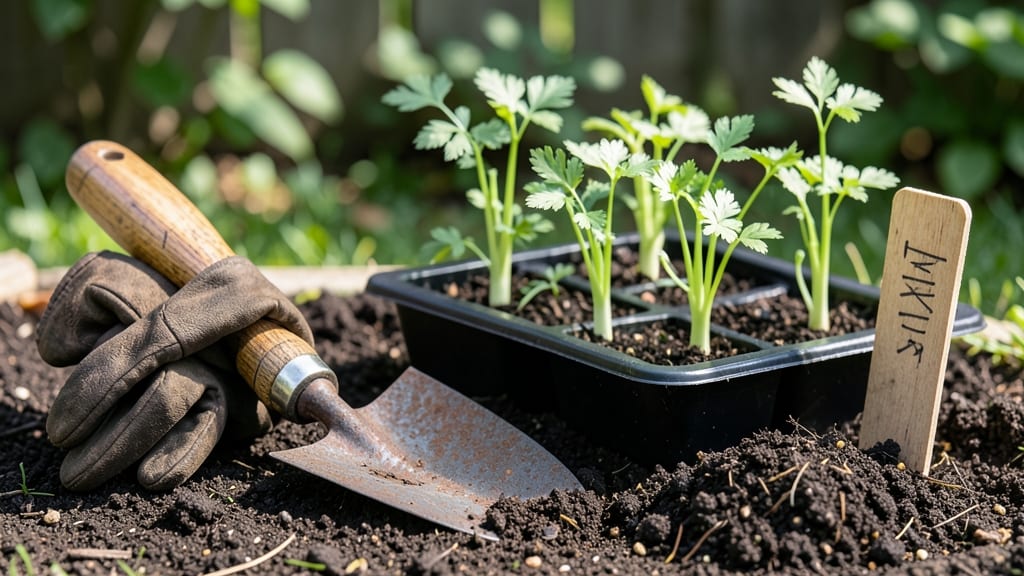
If you're dreaming of crisp, homegrown 🥬 by late summer, timing your celery planting is the game-changer for Zone 6 success. Plant too early, and frost will turn your tender seedlings into sad, mushy memories.
Too late, and you'll end up with bitter stalks that taste more like disappointment than dinner. The exact months matter more than you might think, and getting them right means the difference between harvests that wow and ones that flop.
For Zone 6 gardeners, the sweet spot for planting celery starts indoors about 10-12 weeks before your last frost date—typically in early March. This gives your seedlings a head start before transplanting them outdoors once soil temperatures hit a steady 50°F in late April or early May.
But here's the kicker: if you miss that window, don't fret. Late summer planting in July or August can still yield a fall harvest, provided you protect your plants from early frosts.
What makes celery tricky in Zone 6 is its love for cool weather and consistent moisture. Too much heat, and your stalks will bolt or turn woody. Too little water, and they'll taste bitter enough to make even your most loyal dinner guests side-eye their plates.
The key is balancing your planting schedule with shade cloth, regular watering, and maybe even a row cover when temperatures climb. Trust me, your future self will thank you when you're biting into that perfect crunch instead of wincing at a sad, limp stalk.
In this guide, I'll break down the exact months to plant, how to adjust for Zone 6's unpredictable weather, and the best varieties to grow. Plus, I'll share my top tips for keeping your celery happy from seed to harvest—so you can enjoy that garden-fresh crunch without the guesswork.
Let's get those stalks growing right!
Optimal planting months for celery in Zone 6 (with frost protection tips)
Celery thrives in Zone 6's cooler seasons, but timing your planting is critical. The ideal window spans from early spring (March-April) to late summer (July-August). For spring planting, aim for March 15-April 15 after the last frost date (April 15 on average).
This gives your celery 120-140 frost-free days to mature before winter sets in.
Fall planting offers a second chance for harvest. Start seeds indoors in July for transplanting by mid-August. This late summer window lets you harvest before hard frosts arrive in mid-October. The key is avoiding bolting (premature flowering) from heat stress in summer or cold snaps in spring.
Soil temperature is non-negotiable—celery roots won’t germinate below 50°F (10°C). Use a soil thermometer to confirm warmth before direct sowing. In Zone 6’s unpredictable climate, soil can linger cold even after air temperatures rise, delaying germination by weeks.
For spring planting, begin seeds indoors 10-12 weeks before your last frost (typically January-February). This head start ensures sturdy seedlings ready for transplanting by April 15. Use grow lights if natural light is limited—celery needs 14+ hours of light daily to prevent leggy growth.
If you prefer direct sowing, wait until April 15 when soil reaches 60°F (15°C). Sow seeds ¼ inch deep, spacing them 6-8 inches apart in rows 12 inches apart.
Thin seedlings to 12 inches apart once they reach 2 inches tall—this reduces competition and improves stalk thickness.
Zone 6 gardeners often face late spring frosts that can devastate young celery. Protect seedlings with frost cloth or a mini greenhouse until nighttime temperatures stay above 40°F (4°C). Even a light frost can blacken leaves, but the crown often survives for regrowth.
For fall harvests, start seeds indoors in July and transplant mid-August. Choose heat-tolerant varieties like 'Golden Self-Blanching' to avoid bolting from summer heat. Mulch with straw to maintain even soil temperatures and prevent moisture loss during Zone 6’s dry spells.
Remember: Celery is a cool-season crop that bolts in heat and yellows in cold. The 165 frost-free days in Zone 6 give you two ideal windows—spring for summer harvests and late summer for fall harvests. Plan accordingly to avoid bitter, stringy stalks from stress.
After planting, maintain consistent moisture—celery roots are shallow and drought-sensitive. Use drip irrigation to keep soil evenly moist without wetting foliage (which causes leaf spot disease). A 2-inch layer of mulch helps retain moisture and suppress weeds.
How to adjust planting for Zone 6’s unpredictable weather patterns
Zone 6’s weather can be a real wild card—one day it’s 50°F sunshine, the next it’s a frost warning. Celery, being the cool-season crop it is, needs consistency to thrive.
That’s why I’ve learned to play it smart with staggered planting and protective measures. Here’s how I adapt my schedule to keep my celery happy, even when Mother Nature throws curveballs.
First, I always check the 10-day forecast before committing to direct sowing. If late frosts are predicted after your last frost date (usually around April 15 in Zone 6), I delay planting by 2-3 weeks.
For example, if frost is forecasted for April 20, I wait until May 1 to sow seeds outdoors. This small adjustment can save your entire crop from blackened leaves and stunted growth.
🚨 Callout Warning 🚨
Late Frost Risk
Never assume the frost is over! Zone 6’s late spring frosts can hit as late as May 10 in some areas. Use frost cloth or a mini greenhouse for the first 2-3 weeks after planting to shield seedlings.
For extra insurance, I use row covers or cold frames during the critical seedling stage. These tools raise soil temperatures by 5-10°F, giving your celery a head start.
I’ve found that even a lightweight frost blanket (like Agribon) can make the difference between a thriving transplant and a failed crop. Pro tip: Secure the cover with bricks or stakes so wind doesn’t rip it off during storms.
Heatwaves are another Zone 6 challenge. If temperatures soar above 85°F during summer, celery can bolt prematurely or develop bitter stalks. To combat this, I plant a second batch in late July for a fall harvest.
This timing lets the plants mature before the first frost in October. I also provide afternoon shade with a cloth shade cloth (30-50% shade) to keep leaves cool without blocking all sunlight.
Companion planting is my secret weapon for consistent moisture and pest control. I interplant celery with radishes or bush beans, which help break up compacted soil and retain moisture. Avoid planting near tomatoes or peppers, though—they compete for nutrients and attract similar pests.
A mulch layer of straw or grass clippings also helps regulate soil temperature and reduces evaporation, which is crucial for celery’s high water needs.
Finally, I always keep a backup plan. If my outdoor crop fails due to weather, I have indoor grow lights ready to extend the season. Starting seeds indoors in February gives me transplants ready for late March planting, ensuring a harvest even if outdoor conditions are harsh.
With these strategies, I’ve never gone without fresh celery in Zone 6—just bold, crunchy stalks ready for the table!