
Plants
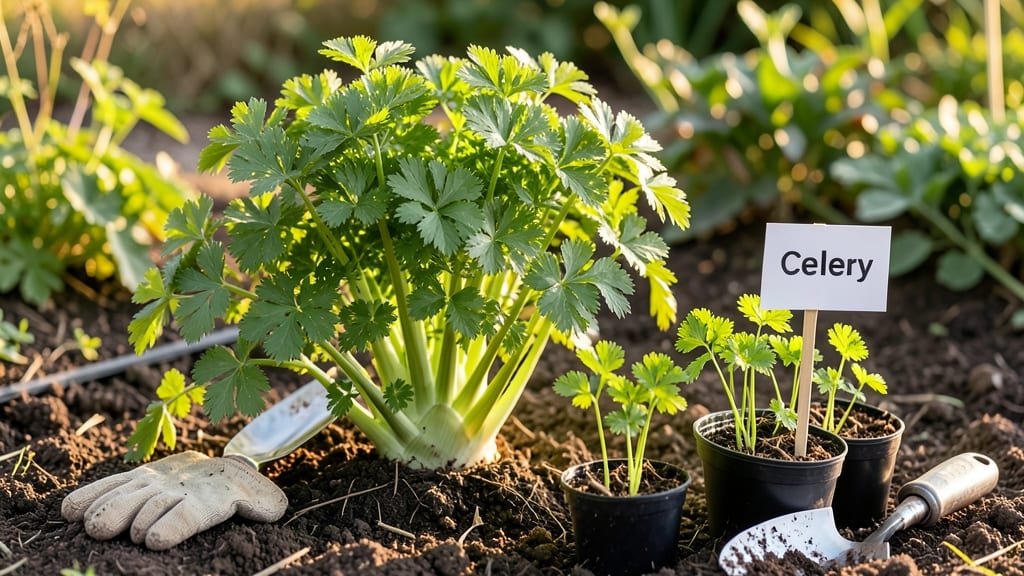
Timing your celery planting in Ohio could mean the difference between crisp, flavorful stalks and bitter, tough regrowth—especially when Ohio’s unpredictable spring weather throws curveballs. The key to success lies in understanding the cool-season schedule that works best for your 6a zone, where last frost typically arrives around mid-April.
If you’ve ever wondered why your celery ends up stringy or stunted, the answer often starts with planting too early or too late.
Ohio gardeners know that late March to early May is the sweet spot for starting seeds indoors, while transplanting seedlings outdoors should wait until soil warms to 50°F—usually by early May. But what if you miss that window?
Don’t worry—fall planting is also an option, though it requires careful timing to avoid the first frost in mid-October. Whether you’re a first-time grower or a seasoned gardener, mastering these seasonal strategies will help you harvest thick, flavorful stalks from July through September.
In this guide, I’ll walk you through the exact planting schedule, soil prep tips, and even how to extend your growing season for a second harvest. Let’s get those 🥬 plants thriving!
Optimal Ohio planting dates for celery based on hardiness zones
Ohio’s USDA hardiness zones 5-6 create a unique challenge for growing celery—this cool-season crop thrives when daytime temperatures stay below 75°F (24°C), but Ohio’s summers can quickly turn it bitter and tough.
The key is planting during two distinct windows: early spring and late summer for a fall harvest.
Most Ohio gardeners focus on spring planting (March-April) to avoid summer heat, but fall planting (August-September) works too if you use shade cloth. Northern Ohio (zone 5) has earlier frost dates than southern Ohio (zone 6), so adjust your schedule accordingly.
Here’s the critical timing for Ohio’s two main planting approaches:
| Planting Window | Zone 5 (Northern OH) | Zone 6 (Southern OH) | Key Notes |
|---|---|---|---|
| Spring Planting | Late March - Early April (after last frost) | Mid-April - Early May | Start seeds indoors 10-12 weeks before last frost |
| Fall Planting | Late July - Early August (for harvest before frost) | Mid-August - Early September | Use shade cloth if temps exceed 80°F |
| Soil Temperature | 50-60°F (10-15°C) | 50-60°F (10-15°C) | Use a soil thermometer to confirm |
| Transplanting | Early May (hardened-off seedlings) | Late May (after frost risk passes) | Space 12-18 inches apart in rows 18-24 inches apart |
For direct sowing (skipping the indoor start), wait until soil temperatures stabilize at 50°F (10°C)—typically mid-April in zone 5 and late April in zone 6. Ohio’s Lake Effect near Cleveland and Toledo can delay last frosts by 1-2 weeks, so monitor local forecasts.
If you’re in southern Ohio (zone 6), you can push spring planting slightly later—until early May—but avoid planting after June 1 unless you’re committed to shade cloth protection. The goal is to harvest before daytime temps hit 80°F (27°C), which triggers bolting.
Pro tip: Use black plastic mulch to warm soil faster in spring or straw mulch to retain moisture during Ohio’s humid summers. This extends your planting windows by 10-14 days in both directions.
Remember, Ohio’s first frost typically arrives between October 15 (north) and November 1 (south), so plan your fall harvest to finish by mid-October. For a second fall crop, start seeds indoors in early July and transplant in late July.
🌱
How to extend Ohio’s celery growing season with succession planting
Ohio’s short growing season can limit celery production to just one harvest—but with succession planting, you can stretch yields from spring through fall. The key is staggering plantings every 2-3 weeks to ensure a continuous supply of crisp stalks.
This method works especially well for Ohio’s humid summers, where celery struggles to thrive in extreme heat.
Start your first batch indoors 10-12 weeks before your last frost date (typically mid-April in most of Ohio). For northern regions like Zone 5, aim for early March sowing, while southern Ohio gardeners (Zone 6) can delay until late March.
Transplant seedlings outdoors once soil temperatures hit 50°F (10°C), usually by late April.
📅 Succession Planting Timeline for Ohio Celery
- Week 1-2: Sow first batch indoors (March 1-15)
- Week 4-5: Transplant first batch outdoors (April 15-30)
- Week 6-7: Sow second batch indoors (April 1-15)
- Week 8-9: Transplant second batch (May 1-15)
- Week 10-11: Sow final batch (May 1-15)
- Week 12+: Harvest begins (June-August)
For fall harvests, focus on late-summer plantings (July-August) to take advantage of Ohio’s cooler autumn temperatures. Choose slow-bolting varieties like 'Utah' or 'Tall Utah' for better heat tolerance. Plant seeds directly in the garden when daytime temps drop below 80°F (27°C)
Extend your season further by using shade cloth (30-50% coverage) during peak summer months to protect plants from heat stress. Pair celery with companion plants like chives or onions to deter pests like aphids and celery moths—common problems in Ohio’s humid climate. Mulch with straw to retain moisture and regulate soil temperature. Monitor soil temperatures closely—celery thrives in 60-70°F (15-21°C) soil. Use a soil thermometer to avoid planting when temps exceed 85°F (29°C), which causes bolting. In northern Ohio, you may even squeeze in a third planting in early September for a late fall harvest before frost. With this approach, you’ll enjoy fresh, homegrown celery from June through October, beating Ohio’s short growing season. The secret? Consistent soil moisture, proper spacing (12-18 inches apart), and attentive pest control. Your garden will thank you with crisp, flavorful stalks all season long! 🥬