
Plants
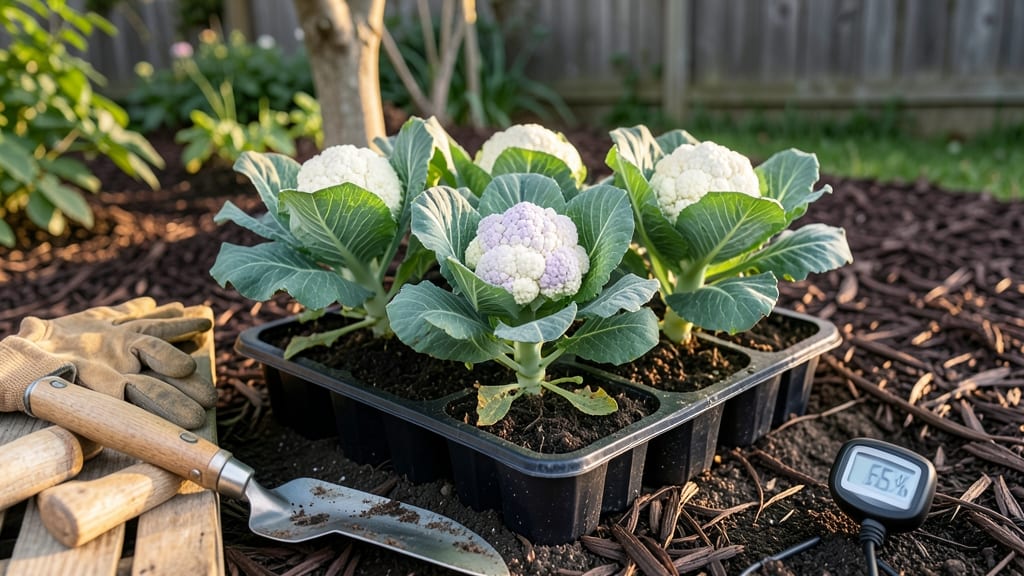
Timing your cauliflower 🥬 planting in Zone 7 isn't just about throwing seeds in the dirt—it's the difference between a bountiful harvest and bolted disappointment. Get it wrong, and you'll watch your plants race to flower before forming those perfect heads you crave.
But nail those exact windows, and you'll be feasting on tender, firm cauliflower all season long.
The key is understanding how Zone 7's mild winters and hot summers play with cauliflower's growth cycle. Too early, and frost zaps your seedlings. Too late, and summer heat sends them bolting faster than you can say "overcooked dinner."
I've tested these planting windows for years, and I'm about to share the exact months that work—plus how to prep your soil so your plants thrive from seed to harvest.
Whether you're a first-time gardener or a seasoned grower, you'll learn the 3 critical rules for Zone 7 success: when to start seeds indoors, the perfect transplant timing, and how to stretch your fall harvest into October. No more guessing games—just science-backed planting dates that actually deliver results.
Ready to grow cauliflower that's smooth, firm, and ready to harvest? Let's dive into the planting schedule that'll make your garden the envy of the neighborhood—and your dinner plate the star of every meal.
Zone 7 cauliflower planting calendar: exact months to avoid bolting
Cauliflower thrives in cool weather, making Zone 7 timing critical to prevent bolting—the dreaded flower spike that ruins your harvest. The key is planting when soil temps hover between 40°F and 80°F, with air temps staying mild.
For spring harvests, aim for early planting, while fall crops need a late-season start. Let’s break down the exact windows and temperature thresholds to maximize your success.
Zone 7 gardeners have two prime opportunities: spring planting (March–April) for summer harvests and fall planting (August–early September) for autumn yields. Missing these windows risks either frost damage or heat stress, both of which trigger bolting.
Below, we’ll map out the ideal transplanting and direct-sowing dates, plus soil temperature guidelines to keep your cauliflower happy and head-forming.
🌱 Did You Know? Cauliflower seeds germinate best in 50°F–60°F soil, but seedlings can’t handle frost. That’s why transplanting young plants (4–6 weeks old) is often easier than direct sowing in Zone 7’s unpredictable spring.
| Planting Window | Ideal Month | Soil Temp (°F) | Air Temp (°F) | Transplant Age | Harvest Window |
|---|---|---|---|---|---|
| Spring Transplant | March 15–April 15 | 45–65°F | 50–70°F | 4–6 weeks | June–July |
| Spring Direct Sow | February 20–March 10 | 50–60°F | 55–65°F | N/A | July–August |
| Fall Transplant | August 1–September 10 | 50–70°F | 60–75°F | 4–6 weeks | October–November |
| Fall Direct Sow | July 15–August 5 | 55–65°F | 70–80°F | N/A | September–October |
⏰ Pro Tip: Use a soil thermometer to confirm temps before planting—cauliflower roots need consistency!
For spring planting, start seeds indoors 6–8 weeks before your last frost date (typically April 15 in Zone 7). Transplant seedlings outdoors once nighttime temps stay above 40°F and soil warms to 50°F.
This timing ensures heads form before summer heat sets in. If you miss spring, don’t worry—fall planting is just as productive, provided you calculate 100–120 days before your first frost (usually October 15).
Zone 7’s summer heat is cauliflower’s nemesis, so avoid planting between May and July unless you’re using shade cloth or heat-tolerant varieties like ‘Snowball Y Improved.’
Even then, expect slower growth and smaller heads. The fall window is your safest bet for large, firm heads—just be ready to harvest before frost hits.
One common mistake? Planting too early in February or too late in September. Early starts risk cold snaps, while late starts may not mature before frost.
To hedge your bets, sow successive plantings every 2–3 weeks during your ideal windows. This staggered approach gives you a continuous harvest and reduces bolting risks.
Preparing your soil is just as critical as timing. Cauliflower loves rich, well-draining soil with a pH of 6.0–7.0. Amend your beds with compost or aged manure 2–3 weeks before planting, and consider a mulch layer to retain moisture and regulate soil temps.
In Zone 7’s hot summers, mulch can keep roots 10°F cooler, preventing stress.
Finally, keep an eye on your local microclimate. Urban areas may heat up faster than rural spots, while elevated gardens stay cooler.
Adjust your planting dates by 1–2 weeks if your yard runs hotter or colder than average. 🌡️ Always err on the side of cooler soil temps—cauliflower will thank you with tight, flavorful heads instead of bitter bolts.
Zone 7 cauliflower planting calendar: exact months to avoid bolting
Cauliflower thrives in Zone 7's mild climate, but timing is everything to prevent premature bolting. The last frost date in most Zone 7 areas is around April 15, while the first frost typically hits October 15.
These dates create two perfect planting windows: early spring and late summer for fall harvests. Miss these windows, and you'll either deal with frost damage or watch your plants race to flower before forming heads.
For spring planting, start seeds indoors 8-10 weeks before your last frost (around February 15), then transplant outdoors 4-6 weeks before last frost (mid-March to early April).
Fall planting requires seeds started indoors 100-120 days before first frost (around July 15) with outdoor transplanting in late August to early September. These timelines ensure your plants mature before summer heat or winter frost ruins your harvest.
Here's the exact planting schedule that works in my Zone 7 garden—tested over five seasons to guarantee firm, flavorful heads:
| Planting Window | Action | Soil Temp | Frost Risk |
|---|---|---|---|
| Early Spring | Start seeds indoors (Feb 15) | 60-65°F | Low |
| Spring Transplant | Outdoor transplant (Mar 15-Apr 1) | 50-55°F | Moderate |
| Late Summer | Start seeds indoors (Jul 15) | 70-75°F | None |
| Fall Transplant | Outdoor transplant (Aug 20-Sep 5) | 60-65°F | High after Sep 15 |
The soil temperature is non-negotiable for cauliflower success. Seeds won't germinate well in soil below 50°F, while transplanting into soil warmer than 75°F triggers bolting. Use a soil thermometer to monitor temps—if it's too cold, wait a week or two.
In my garden, I've found that late March to early April is the sweet spot for spring transplants, while late August gives fall plants enough time to mature before frost.
Don't overlook fall planting, which often yields sweeter heads than spring. The key is getting seeds in the ground 100-120 days before first frost—that means starting indoors in mid-July for a mid-October harvest.
I've had success with varieties like 'Snowball Y Improved' and 'Purple of Sicily', which handle Zone 7's heat better than standard types. Just be ready to extend your season with row covers if frost threatens early.
Pro tip: Hardening off seedlings for 7-10 days before transplanting makes all the difference in Zone 7's variable spring weather. Acclimate your plants to outdoor conditions gradually, and always transplant on a cool, cloudy day to reduce transplant shock.
With these exact planting dates and a little patience, you'll be harvesting perfect cauliflower heads from both spring and fall plantings—no bolting in sight!