
Plants
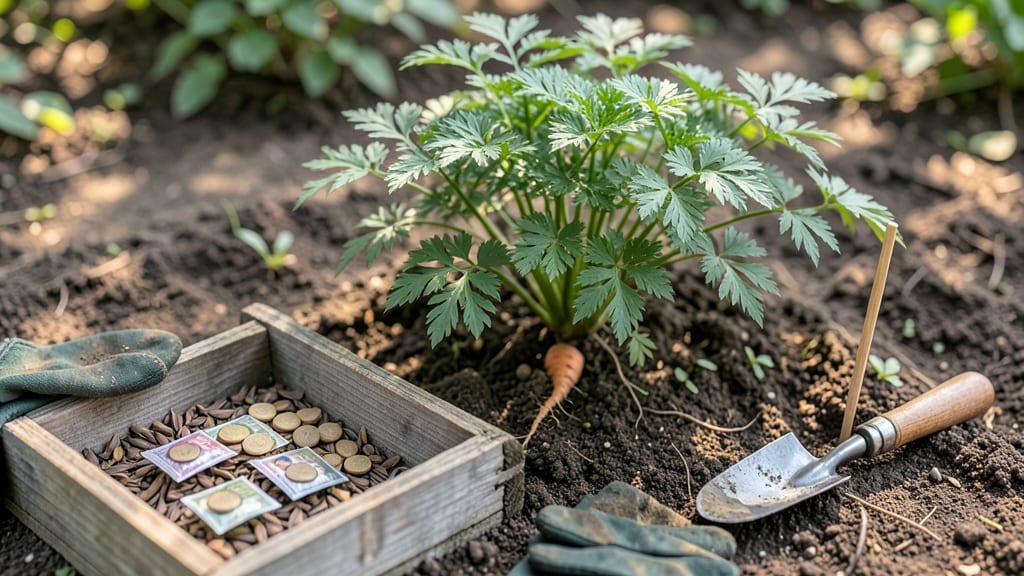
Knowing when to plant carrots in Pennsylvania can mean the difference between a garden full of sweet, crisp 🥕 and a patch of tough, misshapen roots. With Pennsylvania's unpredictable spring weather and short growing season, timing is everything—especially in USDA Zone 6a where frost can linger well into April.
Most gardeners in the Keystone State swear by two planting windows: early spring (as soon as soil is workable) and late summer (for a fall harvest). But getting it wrong can leave you scrambling when summer heat turns your carrots woody or early frosts ruin your crop before it matures.
I’ve tested these strategies in my own garden, and the results speak for themselves: proper timing leads to bigger yields and longer harvest windows.
Whether you’re a first-time grower or a seasoned gardener, these proven techniques will help you avoid common pitfalls and enjoy homegrown carrots from summer through fall.
Let’s break down the exact months to plant, how to extend your growing season, and which carrot varieties perform best in Pennsylvania’s climate—so you can enjoy that first taste of garden-fresh 🥕 without the guesswork.
Best planting windows for carrots in Pennsylvania’s zones 5b-6a
Pennsylvania’s USDA Zones 5b-6a offer two prime windows for planting carrots: early spring and late summer. The key is avoiding frost damage while ensuring soil temperatures stay above 40°F for germination.
In most regions, this means starting seeds indoors 4-6 weeks before your last frost date (typically mid-April), then transplanting outdoors by early May.
For fall harvests, aim to sow seeds by mid-July to allow roots to mature before first frost (usually mid-October).
Rural areas like Erie or Williamsport may have slightly later windows due to cooler microclimates, while cities like Philadelphia or Pittsburgh can push planting a week earlier thanks to urban heat islands.
Here’s how Pennsylvania’s regional frost dates impact your planting schedule:
| Region | Last Frost Date | First Frost Date | Ideal Spring Planting | Ideal Fall Planting |
|---|---|---|---|---|
| Philadelphia | April 15 | October 20 | Late March–April 15 | July 15–August 1 |
| Pittsburgh | April 10 | October 15 | Late March–April 10 | July 10–July 25 |
| Erie | May 1 | October 5 | Late April–May 1 | July 20–August 10 |
| State College | April 20 | October 10 | Late March–April 20 | July 15–July 30 |
*Adjust dates 1-2 weeks earlier for urban areas with heat islands.
Soil temperature is just as critical as air temperature. Carrot seeds won’t germinate below 40°F, so wait until your soil reaches at least 50°F for reliable sprouting. Use a soil thermometer to check—most garden centers sell them for under $10.
In cooler zones like Erie, consider using black plastic mulch to warm the soil faster.
For succession planting, sow new seeds every 2-3 weeks from late spring through early summer. This ensures a continuous harvest from July through October. Just be sure to space your plantings so you’re not overcrowding the garden—carrots need 2-3 inches of space to grow straight and avoid forking.
If you’re planting in containers, start seeds indoors in biodegradable pots 6-8 weeks before your last frost date. Use a lightweight potting mix (carrots hate compacted soil) and transplant seedlings directly into the ground or larger containers once they have 2-3 true leaves.
Containers should be at least 12 inches deep to accommodate full-sized roots.
Pro tip: Direct-sow seeds in early spring (as soon as soil is workable) for a head start. Carrot seeds are tiny and slow to germinate—cover them with 1/4 inch of soil and keep the bed consistently moist until sprouts appear (usually 2-3 weeks).
Thin seedlings to 2-3 inches apart to prevent competition and ensure sweet, straight roots.
In summer, focus on shade cloth or drip irrigation to keep soil cool and moist. High temperatures can cause carrots to bolt (flower prematurely), ruining your harvest.
If your garden gets hotter than 85°F, opt for shorter-day varieties like ‘Paris Market’ or ‘Little Finger’, which mature faster in heat.
Finally, mark your calendar for fall planting—aim to finish by mid-August to give roots time to mature before frost. Use row covers or a cold frame to extend the season if needed. With the right timing, you can enjoy homegrown carrots from July through December in Pennsylvania!
How to extend your carrot harvest season in Pennsylvania
Pennsylvania’s short growing season doesn’t mean you have to settle for a single carrot harvest. With the right strategies, you can enjoy fresh, crisp carrots from early summer through late fall—and even into winter with protection.
The key is succession planting, seasonal extensions, and smart garden management to beat pests, heat stress, and early frosts.
Start by planning two to three planting cycles: one in early spring, another in mid-summer, and a final late-summer sowing for a fall harvest. Each cycle should align with soil temperatures and daylight changes to maximize root development.
For example, late July plantings often yield the sweetest fall carrots before winter sets in.
Here’s how to stretch your harvest like a pro:
For a winter harvest, try growing carrots in containers or cold frames. These methods let you harvest until the ground freezes, often extending your season by 6-8 weeks. Just ensure your containers have good drainage and use straw mulch to insulate roots from temperature swings.
Companion planting also plays a role. Pair carrots with leeks, rosemary, or sage to deter carrot flies and onions or chives to improve flavor and growth. Avoid planting near dill or parsley, as they attract pests that target carrots.
Finally, harvest strategically: Pull carrots when they’re young and tender for the first harvest, then let later plantings mature fully. This way, you’ll enjoy baby carrots in summer and full-sized roots in fall—all from the same garden bed! 🥕