
Plants
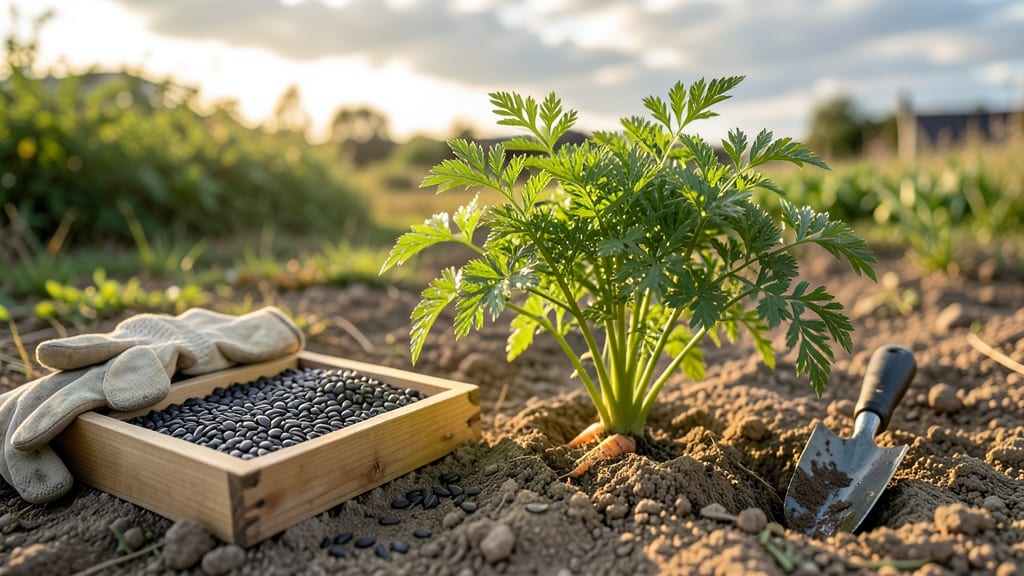
If you’ve ever planted carrots in Northern California only to watch them bolt into flower before producing crisp roots, you’re not alone—timing is the key to success here. The region’s unique microclimates, from Sacramento’s 7b zone to San Francisco’s milder 9a, mean one planting schedule doesn’t fit all.
But with the right approach, you can grow sweet, 🥕-sized carrots year-round.
Fall planting—between September and October—is your golden window for avoiding heat stress and bolting, especially in inland areas. Coastal gardeners can extend this slightly, but even there, rushing spring planting (February-March) risks early blooms.
The secret? Understanding your local frost dates and soil temperatures to align with the carrot’s natural growth rhythm.
What if you miss the ideal window? Don’t worry—we’ll cover succession planting strategies to keep your harvest going from December through August. Whether you’re a beginner or a seasoned grower, these insights will help you sidestep common pitfalls and enjoy homegrown carrots that rival the market’s best.
Let’s dive into the exact planting schedule tailored to your region, plus pro tips to prevent bolting and maximize your yield. Ready to grow carrots that actually stay crisp?
Best planting months for carrots in Northern California’s microclimates
Northern California’s diverse climate—from cool coastal fog to hot inland valleys—means your carrot planting schedule should vary by location. Coastal areas like San Francisco (Zone 9a) can plant as early as late August, while inland zones like Sacramento (Zone 7b) should wait until mid-September to avoid bolting.
The key is soil temperatures between 50°F and 85°F—too cold slows germination, and too hot triggers flowering.
Fall planting (September–October) is ideal because cooler temperatures prevent bolting, and roots develop sweetness during winter’s natural slowdown. Spring planting (February–March) works too, but requires shade cloth in summer to protect tender seedlings from heat stress. Microclimates matter: A San Francisco garden may enjoy 3 harvest cycles, while a Sacramento yard might manage only 2.
For fall-planted carrots, aim to harvest before winter rains soften the soil—this prevents forked roots and rot. In Zone 9a/10a, you can even plant a winter crop in November for harvests in January–February. Just cover rows with straw mulch to protect from light frosts (28°F threshold).
Spring planting in Northern California demands patience. Start seeds indoors in late January for transplants in March, or direct-sow in February with row covers to shield from late frosts. Bolting risk spikes after March 15, so prioritize short-day varieties like ‘Paris Market’ or ‘Nantes’ for summer heat tolerance.
Pro tip: Test your soil temperature before planting—use a soil thermometer ($10 at garden centers). Ideal germination temps are 60°F–70°F. If your soil runs hotter (common in inland areas), water deeply the night before planting to cool it down. Morning watering also helps maintain stable temps.
Don’t overlook container growing for urban gardeners. Fill pots with light, sandy loam (mix equal parts potting soil and perlite) and plant seeds 1/4 inch deep.
Containers warm faster than ground soil, so start them 2 weeks earlier than your outdoor schedule. Varieties like ‘Little Finger’ thrive in 5-gallon pots.
If you’re new to Northern California gardening, observe your neighbors’ gardens—their tomato plants are a good indicator of heat stress. When tomatoes start wilting by noon, it’s time to shade your carrots or switch to fall planting.
The last frost date isn’t just about protecting plants; it’s your cue to adjust planting depth—deeper in heavy clay soils to prevent forking.
For year-round success, combine fall and spring plantings with succession sowing every 2 weeks. This ensures a steady supply of crisp, sweet carrots from December through August. Just remember: Northern California’s Mediterranean climate rewards those who plant at the right time—not those who plant early or late.
🌱
Best planting months for carrots in Northern California’s microclimates
Northern California’s diverse climate—from cool coastal fog to hot inland valleys—means carrot planting times vary dramatically. Coastal areas like San Francisco (Zone 9a) can plant as early as late August, while inland regions like Sacramento (Zone 7b) should wait until mid-September to avoid premature bolting.
The key is soil temperatures below 75°F and daylight hours under 14 to prevent flowering.
Fall planting (September–October) is ideal because cooler temps and shorter days encourage root growth instead of seed production. Spring planting (February–March) works too, but requires shade cloth in summer to prevent bolting.
My Bay Area garden yields the sweetest carrots when planted in late September—right before the first frost warnings.
| Region | Best Planting Window | Soil Temp Goal | Bolting Risk |
|---|---|---|---|
| Coastal (SF, Santa Cruz) | Late Aug–Early Oct | 60–70°F | Low (cool nights) |
| Bay Area (Oakland, Berkeley) | Mid-Sept–Oct 15 | 65–72°F | Moderate (watch heatwaves) |
| Inland Valleys (Sacramento, Stockton) | Late Sept–Oct 30 | 60–68°F | High (hotter days) |
For coastal gardens, extend planting into November—the ocean breeze keeps soils cooler longer. Inland growers should avoid planting after October 15 unless using shade cloth.
My 2023 experiment with Danvers Half Long carrots planted in early November yielded crisp roots by January, proving late fall works if nights stay chilly.
Spring planting requires patience: wait until March in inland areas to let soil warm to 55°F. Coastal zones can start in February, but use row covers if frost threatens. The Nantes variety is my top pick for spring—its shorter roots mature faster in cooler soils.
Pro tip: Test soil temps with a thermometer before planting. Carrot seeds need 50–70°F soil to germinate. If temps rise above 80°F, switch to shade-tolerant varieties like Paris Market or use drip irrigation to keep roots cool.
Timing isn’t just about months—it’s about microclimates. A north-facing bed stays cooler than a south-facing one, so adjust planting dates accordingly. My shady corner gets carrots in by October 1, while the sunny patch waits until October 15.