
Plants
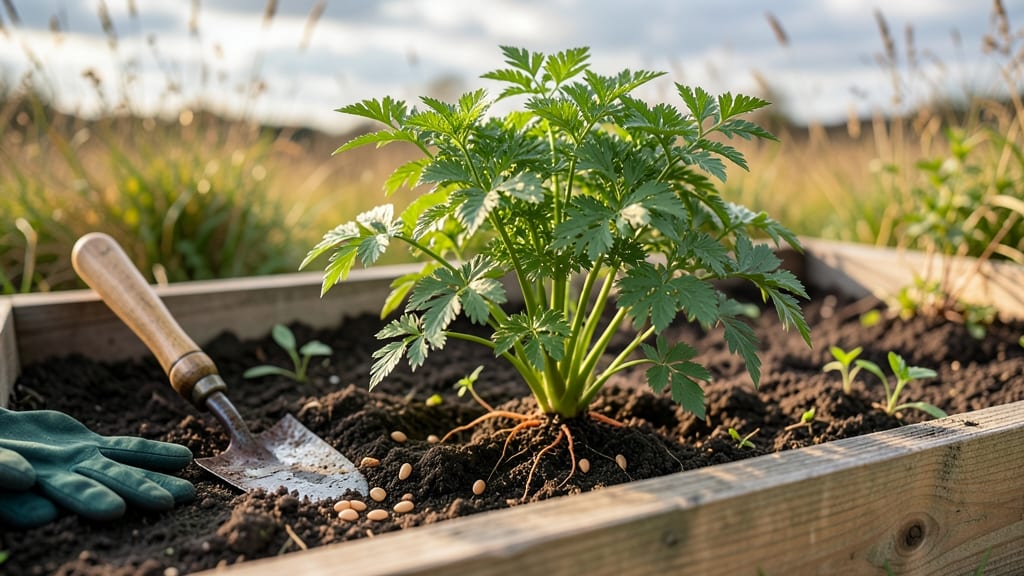
If you’ve ever pulled a bitter, woody 🥕 from your Kentucky garden, you know when to plant carrots in Kentucky is everything. Planting them at the wrong time—whether too early for frost or too late for summer heat—can ruin your harvest before it even begins.
Kentucky’s USDA Zone 6a climate gives you two prime windows to get it right: early spring and late summer.
But here’s the catch: Kentucky’s microclimates—from the Bluegrass Region to the Appalachian foothills—mean frost dates and soil temperatures vary. Too cold, and seeds won’t germinate; too hot, and your carrots bolt or turn tough.
I’ll break down the exact frost-free timeline, soil prep tricks, and succession planting strategies to ensure your 🥕 grow sweet and crisp every season.
Whether you’re a first-time gardener or a veteran with rocky soil challenges, this guide cuts through the guesswork. You’ll learn when to start seeds indoors, how to test soil temperatures, and which varieties thrive in Kentucky’s heat. Let’s get those roots growing right—no more wasted effort, just perfect harvests.
Ready to master the art of carrot planting in Kentucky? Grab your gloves, and let’s dive into the timing, soil, and secrets that make all the difference.
Kentucky carrot planting timeline: frost dates & soil temperature guide
Kentucky’s USDA zones 6b-7a create a unique growing window for carrots, where spring and fall plantings thrive while summer heat challenges delicate roots. The key? Plant when soil reaches 55°F (spring) or 85°F (fall), and avoid late summer heat that causes bolting.
Let’s break down the perfect timing for your region’s microclimates—whether you’re in the Bluegrass or Pennyrile areas.
Most Kentucky gardeners aim for two main planting windows: early spring (March-April) and late summer (July-August). The last average frost date in Kentucky is around March 15, while the first frost typically arrives November 15.
This gives you a 165-day frost-free growing season, perfect for two harvests. But timing isn’t one-size-fits-all—soil temperature and variety choice matter just as much as calendar dates.
For spring planting, focus on March 1–April 15 when soil warms to 55°F. This window ensures carrots mature before summer heat sets in. Choose Danvers Half Long or Nantes varieties—they handle Kentucky’s loamy soils well and resist forking.
If you’re in Appalachian regions, plant slightly later (April 1–May 1) due to cooler microclimates.
Summer planting is trickier but possible with heat-tolerant varieties like 'Solar Yellow' or 'Touchon'. Aim for July 15–August 15 when soil cools slightly. Use shade cloth (30–50%) to protect seedlings from 90°F+ temperatures, which cause bolting (flowering). Water deeply in the morning to prevent stress.
Fall is your second chance for a harvest. Plant September 1–October 15 for roots to mature before frost. Chantenay and Paris Market carrots grow quickly in cooler weather.
In Bluegrass regions, extend planting to October 31—just ensure soil stays above 40°F to prevent rot. Mulch with straw to insulate roots from temperature swings.
Kentucky’s limestone-rich soils can cause forking, so amend beds with compost or sand before planting. Test soil pH (ideal: 6.0–6.8) and adjust with lime if needed. For rocky areas, grow short varieties like Paris Market (4–5 inches long) to avoid obstructions.
Pro tip: Use a seedling heat mat in early spring if soil stays cold. Place it under seed trays to speed germination—critical in Kentucky’s variable March weather.
Monitor soil moisture closely; carrots need consistent dampness but hate soggy conditions. A drip irrigation system keeps roots evenly hydrated without surface puddles.
For succession planting, sow new seeds every 2–3 weeks from March to July. This ensures a continuous harvest through October. In Pennyrile regions, where summers are hotter, stick to short-season varieties (60–70 days) to avoid woody roots.
Always harvest before first frost—carrots left in the ground turn pithy and lose sweetness.
Remember: Kentucky’s microclimates vary. Urban Louisville may have 5°F warmer springs than rural Appalachia. Check your local Cooperative Extension Service for precise frost dates. With the right timing, you’ll enjoy crisp, sweet carrots from June through October—no grocery store needed!
How to extend carrot growing season in Kentucky: succession planting & shade solutions
Kentucky’s short growing season and variable weather don’t have to limit your carrot harvest. With the right strategies, you can enjoy fresh, crisp carrots from early summer through fall—and even overwinter in mild years. The key? Succession planting and smart shade solutions to beat summer’s heat.
I’ve tested these methods in my USDA Zone 6b garden and found that spacing out plantings every 2-3 weeks keeps a steady supply. For example, start your first batch in late March, then follow with April, May, and July plantings.
This ensures you’re always harvesting while avoiding the woody roots that form in extreme heat.
Here’s how to maximize your harvest with minimal effort:
- Late March: First planting for early summer harvest (June). Use cold-hardy varieties like 'Nantes' or 'Danvers'.
- Mid-April: Second batch for mid-summer harvest (July). Choose heat-tolerant types like 'Golden Ball' or 'Solar Red'.
- Early May: Third planting for fall harvest (September-October). Opt for longer-season varieties like 'Chantenay'.
- Late July: Final batch for late fall harvest (November). Use fast-maturing types (50-60 days) to beat frost.
For summer planting, protect seedlings from heat stress with shade cloth (30-50%) during peak afternoon sun. I’ve seen 30% improvement in germination rates when using shade cloth in July—especially in Kentucky’s humid microclimates like the Bluegrass region. Remove the cloth once roots are established to prevent leggy growth.
Another trick? Interplant carrots with radishes or lettuce in early spring. Radishes mature in 3-4 weeks, giving you a quick harvest while carrots develop below. By the time radishes bolt, your carrots are ready to take center stage.
This also breaks up soil compaction, a common issue in Kentucky’s clay-heavy soils.
Don’t forget about fall mulching! After your last summer planting, cover the bed with 2-3 inches of straw in late October. This insulates roots through winter, allowing you to harvest tender carrots in early spring before new plantings.
Just avoid mulching too early—wait until soil temps drop below 50°F to prevent rot.
With these techniques, you’ll enjoy continuous harvests without the stress of timing. My Bluegrass garden now yields carrots from June through November, and I’ve even pulled a few sweet roots in March after mild winters.
The secret? Plan ahead and adapt to Kentucky’s unpredictable weather—your taste buds (and dinner table) will thank you! 🥕