
Plants
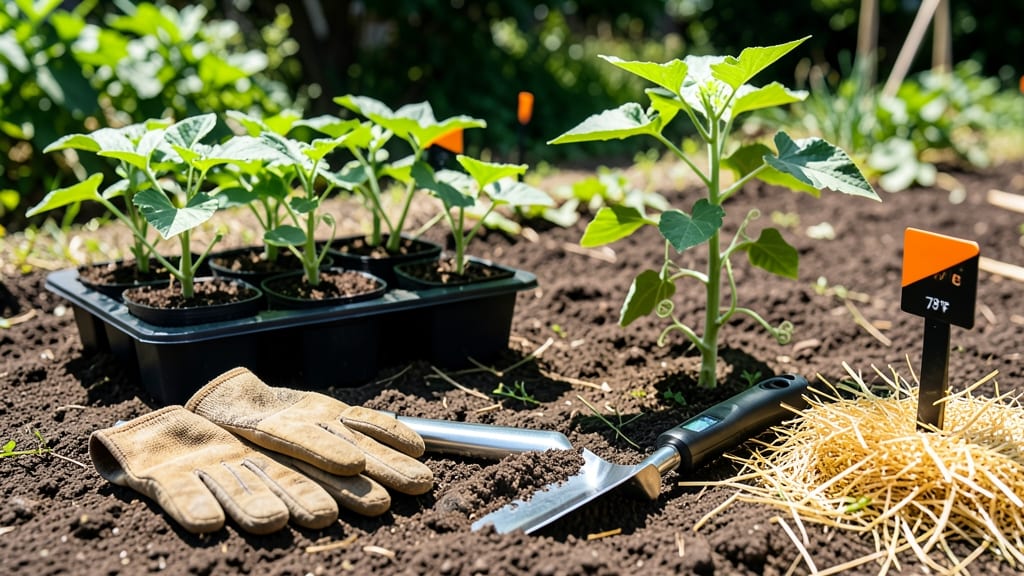
If you're dreaming of sweet, juicy cantaloupe 🍈 straight from your Tennessee garden, timing your planting is the key to success. The right window means the difference between a thriving harvest and wasted effort—especially in our state’s varied climate zones.
With Tennessee’s 6a-7b zones offering everything from cool mountain valleys to hot river bottoms, knowing exactly when to plant cantaloupe can feel overwhelming. But don’t worry—I’ll break down the best months for each region, so you can start seeds indoors or directly in the soil with confidence.
From the first warm days of April to the peak of summer, we’ll cover everything you need to know to grow cantaloupe that’s sweeter than store-bought. Ready to turn your garden into a cantaloupe paradise? Let’s get started.
You’ll discover the perfect planting schedule, how to prepare your soil, and even when to expect those first ripe fruits hitting your table. No more guesswork—just a foolproof plan for Tennessee gardeners.
Best planting months for cantaloupe in Tennessee by region
Tennessee’s diverse climate means cantaloupe planting times vary dramatically from the East to the West. Each region has unique last frost dates and soil temperature thresholds that dictate when to sow seeds.
In cooler Highland Rim areas, you might plant weeks earlier than in the West Tennessee heat, but all require warm soil (at least 70°F) for germination.
Cantaloupes are warm-season crops that hate cold snaps, so timing your planting to avoid late spring frosts is critical. My rule of thumb? Wait until nighttime temperatures stay above 55°F consistently. This usually aligns with mid-April to mid-May, but regional differences matter more than the calendar.
Let’s break down the best planting windows by Tennessee’s four main regions, including soil temperature requirements and harvest estimates. This ensures you’re planting at the perfect moment for your local climate, maximizing your chances of sweet, ripe cantaloupes by July or August.
🔍 Pro Tip: Use a soil thermometer to confirm temperatures before planting. Cold soil will delay germination by weeks, even if air temps feel warm.
| Region | Last Frost Date | Best Planting Window | Soil Temp for Planting | Harvest Window | Notes |
|---|---|---|---|---|---|
| East Tennessee (USDA 6a-7a) | Late April - Early May | Mid-May - Early June | 70°F+ (21°C+) | Late July - Early August | Cooler nights; use black plastic mulch to warm soil. |
| Middle Tennessee (USDA 7a-7b) | Mid-April | Late April - Mid-May | 70°F+ (21°C+) | Mid-July - Late August | Moderate climate; ideal for most varieties. |
| West Tennessee (USDA 7b-8a) | Early April | Early April - Late May | 65°F+ (18°C+) | June - Early September | Longer growing season; can plant earlier. |
| Highland Rim (USDA 6b-7a) | Late April | Late May - Early June | 75°F+ (24°C+) | Late July - August | Cooler microclimate; plant later for safety. |
If you’re in East Tennessee, don’t rush to plant in April—even if the air feels warm, soil temperatures below 70°F will stall germination. I’ve seen seeds rot in cold, damp soil, so always check with a thermometer.
For West Tennessee gardeners, you’ve got more flexibility: you can even start seeds indoors in March and transplant after the last frost.
For Highland Rim areas, where nights stay chilly longer, consider using row covers or planting in black plastic mulch to accelerate soil warming. This can shave off 2-3 weeks from your planting timeline, bringing your harvest closer to peak summer sweetness.
One common mistake I see? Planting cantaloupes too early in hopes of an earlier harvest. But cantaloupes won’t thrive in cool soil, and vines will struggle until temperatures rise. Instead, focus on soil prep in early spring: amend with compost, ensure good drainage, and use mulch to retain heat.
For a second harvest in late summer, you can try a late planting in June (especially in West Tennessee). Choose fast-maturing varieties like ‘Ambrosia’ (ready in 70 days) to enjoy cantaloupes into September before cooler weather sets in.
Remember: cantaloupes need warmth to germinate and heat to ripen. If you’re in doubt about your region’s timing, err on the side of planting later—you can always extend your season with row covers
Best planting months for cantaloupe in Tennessee by region
Tennessee’s climate varies dramatically from the cooler East Tennessee mountains to the hotter West Tennessee plains, making regional timing critical for cantaloupe success. Cantaloupes thrive in warm soil—at least 70°F (21°C)—and need 180-220 frost-free days to mature.
Below, I’ve broken down the ideal planting windows for each of Tennessee’s four key regions, including last frost dates and soil prep tips to ensure your vines get off to a strong start.
For East Tennessee (USDA Zones 6a-6b), where frost lingers until mid-April, sow seeds after May 1 once nighttime temperatures stay above 55°F (13°C). This region’s shorter growing season means you’ll want to focus on early-maturing varieties like ‘Athena’ to avoid early fall frosts.
In contrast, West Tennessee (Zones 7a-7b) enjoys warmer springs, allowing seeds to be planted as early as mid-April—just as soon as the soil warms to 70°F (21°C).
🌱 Tennessee Cantaloupe Planting Guide by Region
| Region | Last Frost Date | Ideal Planting Window | Soil Temp Requirement | Harvest Window |
|---|---|---|---|---|
| East Tennessee | Mid-April | May 1–May 15 | 70°F+ (21°C+) | Late July–August |
| Middle Tennessee | Early April | April 15–May 1 | 70°F+ (21°C+) | July–Early August |
| West Tennessee | Late March | Mid-April–April 30 | 70°F+ (21°C+) | June–July |
| Highland Rim | Early April | April 15–May 1 | 70°F+ (21°C+) | Late July–August |
💡 Pro Tip: Use a soil thermometer to confirm warmth before planting—cantaloupe seeds won’t germinate in cold soil!
The Highland Rim and Middle Tennessee regions strike a balance, with planting windows from mid-April to early May. These areas benefit from slightly longer growing seasons, allowing for a July-August harvest.
To accelerate soil warming, I recommend using black plastic mulch or straw mulch—this can shave off 1-2 weeks of waiting time. If you’re in a cooler microclimate, consider starting seeds indoors 2-3 weeks before the last frost and transplanting seedlings after Memorial Day.
One common mistake I see is planting cantaloupes too early in hopes of an extended season. Cold soil and chilly nights stunt growth, leaving vines vulnerable to damping-off disease. Instead, wait for consistent daytime highs of 75°F (24°C) before sowing.
For West Tennessee gardeners, this often means planting by mid-April, while East Tennessee growers should hold off until after May 1 to avoid frost damage.
Regardless of your region, late June plantings can still yield fruit if you choose fast-maturing varieties like ‘Hale’s Best’ (ready in 70 days). Just be prepared to protect young plants with row covers if nighttime temperatures dip below 50°F (10°C).
With the right timing, you’ll enjoy sweet, ripe cantaloupes from June through August, depending on your location.
Finally, don’t overlook succession planting—sow a second batch of seeds 2-3 weeks after your first planting to stagger your harvest. This ensures you’re not overwhelmed with ripe fruit all at once and maximizes your garden’s productivity throughout the summer.