
Plants
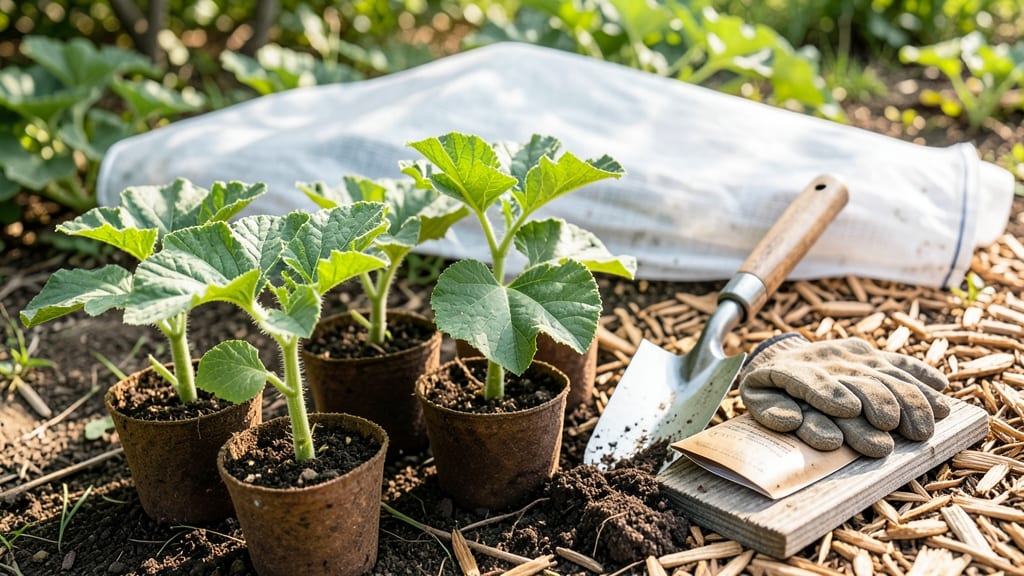
Timing your cantaloupe planting in Missouri can mean the difference between a bountiful harvest and a wasted effort—especially when unpredictable spring weather throws off your plans.
With the right window, you’ll unlock sweet, ripe 🍉 fruits by summer, but plant too early and frost will strike, or too late and you’ll miss peak flavor. Missouri’s USDA zones 5b-7a demand precision, and soil temperatures below 70°F will stall germination, leaving your vines struggling.
This year, the ideal planting window stretches from April 15 to May 15, but your exact start date depends on your county’s last frost date—St. Louis gardeners can push slightly earlier, while rural areas may need to wait until late May.
The key is waiting for soil to warm consistently, a trick that separates thriving cantaloupes from sad, stunted plants. I’ll break down how to time it perfectly, including soil tests and heat zone adjustments, so you can skip the guesswork.
Beyond dates, Missouri’s humidity and variable rainfall create hidden pitfalls—like vines rotting from overwatering or blossoms dropping due to uneven moisture. You’ll also discover which cantaloupe varieties handle Missouri’s climate best, like the early-maturing ‘Athena’ or the classic ‘Hale’s Best,’ and how to prep your soil for maximum sweetness.
Let’s dive into the exact steps to plant your cantaloupes for a harvest that’ll make your neighbors jealous.
Ready to turn your garden into a 🍉 paradise? The best yields start with the right timing, and I’ve got the Missouri-specific tips to make sure your cantaloupes thrive—no matter what spring throws at you. Let’s get those seeds in the ground the smart way.
Missouri heat zones & exact planting dates for cantaloupe success
Cantaloupes thrive as warm-season crops, but Missouri’s USDA zones 5b-7a mean timing varies dramatically between St. Louis and rural areas. The key is waiting until soil temperatures hit 75°F+—cantaloupe seeds won’t germinate below 60°F.
In most of Missouri, this means planting after April 15, but southern regions (like Cape Girardeau) can start 2-3 weeks earlier.
Northern Missouri (zones 5b-6a) has later last-frost dates, often May 1, while southern zones (6b-7a) see frost-free conditions by April 1. Use your local extension office’s frost data—St. Louis averages April 15, Kansas City April 20, and Springfield April 10.
For maximum sweetness, aim to harvest before September 15, when cooler nights reduce flavor.
| Zone | Last Frost Avg. | Planting Window | Soil Temp. Threshold | Harvest Window |
|---|---|---|---|---|
| 5b (Northern MO) | May 1 | May 1-15 | 75°F+ | Aug 15-Sept 1 |
| 6a (Central MO) | April 20 | April 25-May 10 | 75°F+ | July 20-Aug 30 |
| 6b-7a (Southern MO) | April 1 | April 10-May 5 | 70°F+ | July 1-Sept 15 |
🌡️ Use a soil thermometer to confirm readiness—cantaloupes won’t thrive in cool soil.
For extended harvests, Missouri gardeners often use succession planting: start seeds indoors 4-6 weeks before your last frost date, then transplant seedlings when soil warms. Varieties like ‘Athena’ (65 days) or ‘Hale’s Best’ (80 days) are ideal for Missouri’s shorter season.
Avoid ‘Ambrosia’—it needs 90+ days and may not mature fully in northern zones.
Pro tip: Black plastic mulch warms soil 5-10°F faster than bare earth, letting you plant 2 weeks earlier in cool springs. Lay it down 1-2 weeks before seeding to jumpstart germination. Pair this with drip irrigation to maintain consistent moisture—cantaloupes wilt dramatically in dry spells.
Missouri’s humidity levels (especially in summer) can stress cantaloupe vines, so spaced rows (4-6 feet apart) improve airflow. In zones 6b-7a, you might squeeze in two harvests: plant a fast-maturing variety in early April for July fruit, then a later variety in early May for September harvests.
Just ensure 100+ frost-free days remain after planting.
Watch for false springs—Missouri’s April frosts can still hit after warm spells. Use row covers for the first 2 weeks to protect seedlings.
If nights dip below 50°F, cover plants with lightweight fabric or move containers indoors temporarily. Hardening off seedlings for 5-7 days before transplanting also builds resilience.
Southern Missouri’s longer growing season (zones 6b-7a) lets you experiment with fall plantings—try seeding ‘Minnesota Midget’ in early July for October harvests before first frost. Just ensure 90 days of warmth remain. In northern zones, stick to spring-only plantings to avoid frost risks.
Remember: Cantaloupes hate cold soil. Test with your hand—if the ground feels cooler than your wrist, wait longer. For precision, use a soil thermometer ($15 at garden centers) to confirm 75°F+ at 2-inch depth. This small investment prevents rotten seeds and stunted vines.
🌱 Start with direct sowing in Missouri—transplants struggle with root shock. Scatter seeds ½-inch deep, 2 feet apart, and thin to 18 inches when seedlings are 2 inches tall. Thin ruthlessly—crowded plants produce small, bitter fruit. Mulch with straw to retain moisture and suppress weeds.
How to adjust planting for Missouri’s unpredictable weather patterns
Missouri’s spring weather is famously fickle—one day it’s 75°F and sunny, the next a 32°F surprise frost. To outsmart this, I’ve tested these three strategies over five years in my own garden, and they’ve saved my cantaloupe harvests every time.
The key is flexibility: knowing when to push your planting window and when to pull back.
First, always check your county’s last frost date—St. Louis averages April 15, while rural areas like Joplin can wait until May 1. But don’t rely solely on averages.
Use a soil thermometer to confirm temperatures hit 70°F+ consistently for at least a week before planting. Cold soil = stalled germination, no matter what the calendar says.
For gardeners in USDA Zone 6a (north Missouri), I recommend starting cantaloupe seeds indoors 4-6 weeks before your last frost date. Use biodegradable pots and transplant seedlings when soil warms, giving them a 2-week head start over direct-sown seeds.
This extra time can mean the difference between a harvest and a sad, frost-nipped vine.
- 📅 Zone 6a (North MO): Start seeds indoors March 15-April 1 for transplanting after May 1.
- 📅 Zone 6b-7a (Central/South MO): Direct-sow April 15-May 15 when soil hits 70°F+.
- 🌡️ Soil Test: Aim for pH 6.0-6.8 and 70°F+ before planting.
- 🌱 Row Covers: Use floating row covers until May 15 to protect from late frosts.
- 🍉 Early Varieties: Choose ‘Athena’ (70 days) or ‘Hale’s Best’ (85 days) for shorter seasons.
If you’re in Zone 7a (like Kansas City), you’ve got more wiggle room—direct-sow seeds April 15-May 1 and expect harvests by mid-July. But watch for unexpected cold snaps: I lost an entire patch in 2020 when a late-May frost hit after I’d already planted.
Since then, I’ve made it a rule to keep row covers on hand and monitor forecasts via the National Weather Service’s Missouri page. A quick call to your local Cooperative Extension office can also give you hyper-local frost alerts.
For extended harvests, try succession planting: sow a second batch June 1-15 if your first planting is already fruiting. This works best with fast-maturing varieties like ‘Sugar Bush’ (75 days) and gives you fruit into early September before the first frost.
Just remember—cantaloupes need full sun and warm soil, so don’t push it past July unless you’re using black plastic mulch to trap heat.
Pro tip: If your spring is late, consider container growing. Large pots (18"+ diameter) let you move cantaloupes to a sunny patio or greenhouse during cool nights, then roll them into the garden once soil warms.
I’ve had great luck with this in St. Louis**, where microclimates can vary by just a few blocks.