
Plants
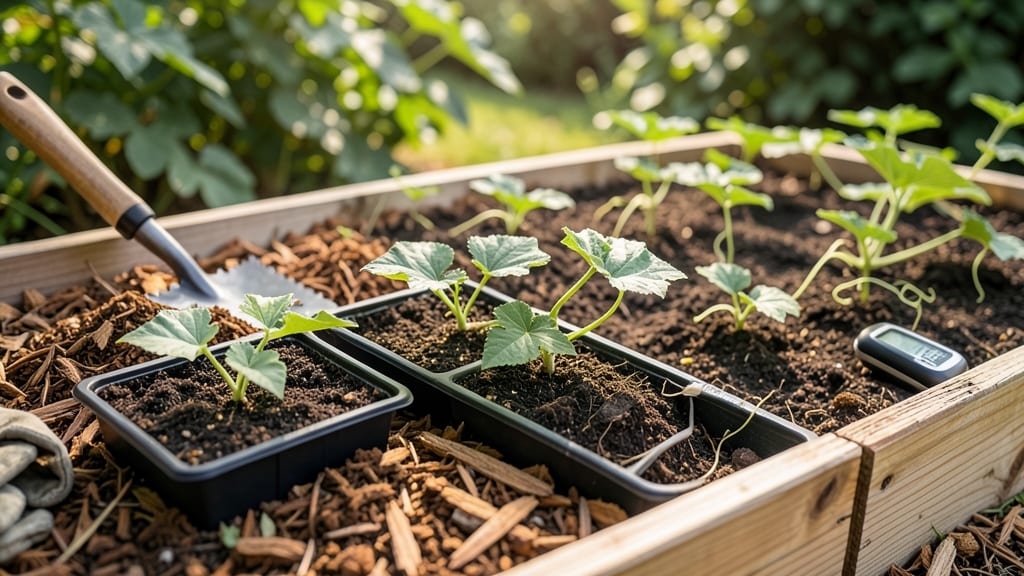
Timing your cantaloupe planting in Arizona isn't just about the calendar—it's about beating the desert's relentless heat before your plants bolt and give up on fruit.
With USDA Zone 9b temperatures swinging from chilly mornings to triple-digit afternoons, getting those seeds in the ground at the right moment means the difference between sweet harvests and sad, bitter melons.
Most Arizona gardeners swear by planting 🍈 cantaloupe between late February and March, when soil temperatures finally climb to 70°F—but here's the catch: rushing too early can leave your vines stunned by cold snaps, while waiting too long risks bolting before fruiting.
I've learned the hard way that patience pays off when you're dealing with Arizona's unpredictable spring weather.
In this guide, I'll break down the exact window for planting cantaloupe in Arizona, including when to start seeds indoors versus direct sowing, and how to keep your plants from throwing in the towel before summer even begins.
You'll discover the heat-resistant varieties that actually thrive here and the simple tricks to extend your growing season—because nobody wants to watch their cantaloupe plants give up before the first real heatwave hits.
Whether you're a first-time gardener or a seasoned desert grower, these insights will help you avoid the most common mistakes and maximize your late spring harvest. Let's get those vines growing the right way—no bitter surprises included.
Optimal Arizona cantaloupe planting timeline: avoiding bolting in extreme heat
Arizona’s desert climate demands precision when planting cantaloupe. Unlike cooler regions, your planting window is narrow—miss it, and you risk bolting (premature flowering) or bitter fruit from extreme heat. The key? Time it right for soil warmth and stable nighttime temps.
For Low Desert areas (Phoenix, Tucson), aim for late February to early March. In High Desert zones (Flagstaff), wait until mid-April when frost risk drops. Cantaloupes need consistent warmth—soil temps below 70°F (21°C) stall growth, while nights dipping under 55°F (13°C) trigger bolting.
🌱
| Climate Zone | Best Planting Window | Soil Temp Threshold | Nighttime Temp Min | Key Risk |
|---|---|---|---|---|
| Low Desert (Phoenix/Tucson) | Late Feb–Early March | 70°F+ (21°C+) | 55°F+ (13°C+) | Bolting from heat spikes |
| High Desert (Flagstaff) | Mid-April | 65°F+ (18°C+) | 50°F+ (10°C+) | Frost damage |
| Fall Planting (All Zones) | Late July–Early Aug | 75°F+ (24°C+) | 60°F+ (15°C+) | Monsoon delays |
Use transplants (not seeds) for Low Desert plantings—start seeds indoors in January under grow lights. For direct sowing, wait until soil is warm (test with a soil thermometer or press your hand into the ground; it should feel like a hot tub).
In High Desert, extend your season with black plastic mulch to warm soil faster.
Pro tip: Fall plantings (late July–early August) work in Arizona’s monsoon belt if you choose heat-tolerant varieties. The trade-off? Shorter daylight hours mean smaller fruit, but it’s a low-risk backup if spring planting fails.
Monitor USDA Zone 9b frost alerts—while rare, a January freeze can kill young vines. If planting in March, cover seedlings with frost cloth for the first 2 weeks to prevent stress. Cantaloupes are annuals, so focus on one strong planting rather than multiple attempts.
After planting, prioritize consistent watering (1–2 inches per week) and mulching to retain moisture. Avoid overhead watering—drip irrigation keeps leaves dry and prevents powdery mildew, a common Arizona issue during monsoon humidity.
💧
For Phoenix gardeners, aim to harvest by mid-July to avoid 110°F+ (43°C+) heat, which stunts growth. In Tucson’s higher elevations, you might squeeze in a second fall crop if you plant by August 1st.
Track your last frost date (typically January 1 in Low Desert) to plan accordingly.
Remember: Cantaloupes need space—vines spread 3–6 feet, so give each plant 3 feet of clearance. Use trellises only for bush varieties like ‘Minnesota Midget’ to save space in small gardens.
🌿
Optimal Arizona cantaloupe planting timeline: avoiding bolting in extreme heat
Arizona's USDA Zone 9b climate creates a unique challenge for cantaloupe growers. Unlike cooler regions, we can't rely on traditional spring planting windows—our soil warms rapidly, but nighttime temperatures can still dip dangerously low.
The key is planting when your soil hits 70°F (21°C) while ensuring nighttime temps stay above 55°F (13°C) consistently.
For most Arizona gardeners, this means starting seeds indoors in late February (6-8 weeks before last frost) and transplanting outdoors in mid-to-late March. However, direct sowing in early April works too if you're patient enough to wait for perfect conditions.
The critical window closes by mid-April, after which bolting becomes an almost certain outcome before fruiting.
🌱
Arizona Cantaloupe Planting Timeline
| Stage | Action | Notes |
|---|---|---|
| Late February | Start seeds indoors | Use heat mats for germination |
| Mid-March | Transplant seedlings | Soil must be 70°F+ |
| Early April | Direct sow seeds | Wait for stable 70°F+ soil |
| Mid-April | Last chance for planting | Risk of bolting increases |
| May-July | Harvest season | Fruit ready in 75 days |
Arizona's Low Desert (Phoenix/Tucson) has a longer growing season than the High Desert (Flagstaff). In cooler areas, wait until mid-April to avoid frost damage, while Low Desert gardeners can start as early as late February for transplanting.
The key difference is soil warming speed—Low Desert soils reach planting temperatures weeks earlier.
For those in Flagstaff's Zone 7a, consider using black plastic mulch to warm soil faster or opt for heat-tolerant varieties that mature in 60-70 days. The trade-off? These faster varieties often produce smaller fruit, but they're your best bet for avoiding bolting in shorter seasons.
One common mistake I see is planting too early based on calendar dates rather than soil temperature. Test your soil with a soil thermometer—if it's below 70°F, your cantaloupe seeds will rot before sprouting.
The same goes for nighttime temps: if they dip below 55°F, your young plants will struggle to establish roots.
💧