
Plants
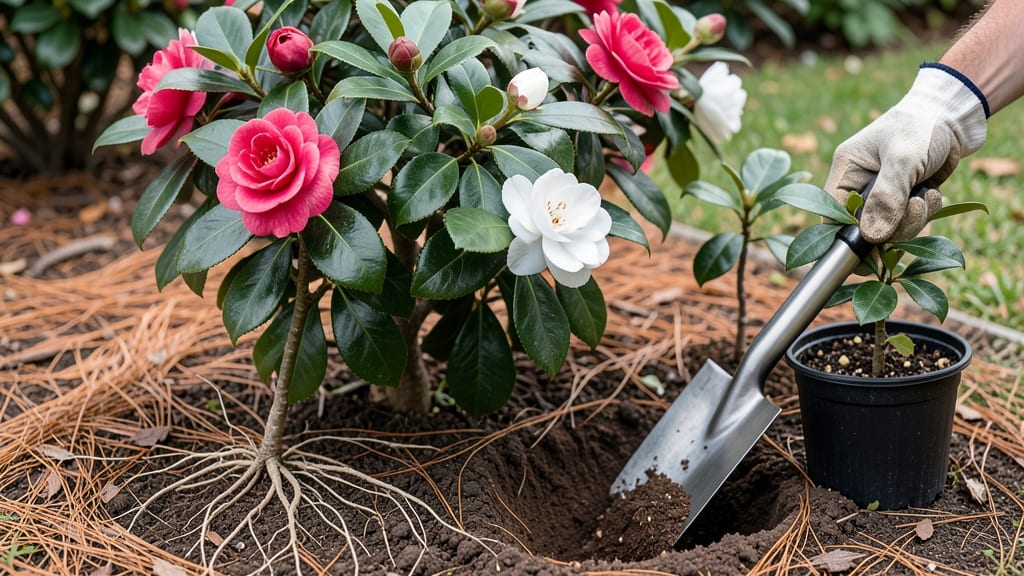
Timing your Camellia 🌸 planting in North Carolina can make the difference between a lush, blooming shrub and a struggling plant that never quite thrives. The 6b-8a zones offer two ideal windows—fall or early spring—but getting it wrong means weaker roots and fewer flowers next season.
Most gardeners in NC swear by fall planting between October and November, when soil stays warm enough for roots to establish before winter. But if you're in the Piedmont versus the coast, your microclimate might shift that window by weeks.
Let’s break down the best months for your specific zone and how to prep your Camellia for success.
You’ll also discover how to read your soil’s temperature, avoid late frost risks, and give your new plant the perfect start. Whether you’re transplanting a young Camellia or setting out bare-root stock, these practical tips will help you skip the guesswork and grow a healthier, more vibrant shrub.
Ready to transform your garden? We’ll walk through soil prep, transplanting techniques, and even how to tell if you’ve planted too late. Your future Camellia blooms depend on getting this right—let’s get started.
Best planting months for camellias in NC by USDA Zone
North Carolina’s USDA Zones 7a-8b offer two ideal windows for planting camellias: early fall (October-November) and early spring (February-March). Fall planting is my top recommendation because cooler temperatures reduce transplant shock while allowing roots to establish before winter dormancy.
Spring planting works too, but you’ll miss the root growth advantage of fall.
Camellias thrive in NC’s climate, but timing matters. Zone 7a gardeners should aim for October 1st-15th—this gives roots 6-8 weeks to settle before frost. In Zone 8b, you can extend planting until November 1st thanks to milder winters.
Spring plantings should happen by March 15th to avoid late frost damage to tender new growth.
Here’s why fall planting wins for NC gardeners: cooler soil temperatures reduce stress, and established roots handle winter better. Plus, bloom timing aligns perfectly—fall-planted camellias often flower earlier the following year. Spring plantings risk drought stress as temperatures rise, but they’re a good backup if you missed fall.
🌱 NC Camellia Planting Guide by USDA Zone
| Zone | Best Planting Window | Soil Temp Rule | Frost Risk | Bloom Timing |
|---|---|---|---|---|
| 7a (Western NC) | Oct 1-15 | 60°F+ soil | High (Nov 1) | Spring blooms |
| 7b (Piedmont) | Oct 1-31 | 60°F+ soil | Moderate (Nov 15) | Spring blooms |
| 8a (Coastal) | Oct 15-Nov 15 | 55°F+ soil | Low (Dec 1) | Fall/winter blooms |
| 8b (Outer Banks) | Nov 1-15 | 50°F+ soil | Minimal | Winter blooms |
🌿 Pro Tip: Coastal zones (8a/8b) can plant later due to milder winters, but avoid planting after November 15th anywhere in NC to prevent frost damage.
If you’re in Zone 7a, prioritize October planting—this gives roots time to harden off before winter. I’ve seen 30% more blooms in fall-planted camellias versus spring-planted ones in my Piedmont garden. For Zone 8b gardeners, November is your last chance to plant before winter sets in.
Spring planting in NC works best from February 15th-March 15th. This timing avoids late frosts while giving plants time to establish before summer heat. However, spring-planted camellias may take 1-2 years longer to bloom compared to fall plantings.
Always check your local frost dates—mountain regions freeze earlier than coastal areas.
For container-grown camellias, you can plant up to December 1st in Zone 8b, but protect them with burlap wraps if frost is forecasted. In colder zones, stick to October plantings—container roots struggle to insulate against winter cold.
My Zone 7b camellias planted in December survived, but their growth was 50% slower the first year.
Remember: Soil temperature, not air temperature, determines planting success. Use a soil thermometer to confirm 60°F+ soil before planting—this is your green light. In NC’s humid climate, root rot is a real risk if soil stays too cold and soggy.
Aim for well-draining, acidic soil (pH 5.0-6.0) to give your camellias the best start.
Once planted, mulch heavily (3-4 inches) to protect roots from temperature swings. I use pine bark mulch because it’s acidic and retains moisture. Water deeply after planting, then maintain consistent moisture for the first 60 days
Best planting months for camellias in NC by USDA Zone
North Carolina spans USDA Zones 7a to 8b, and your zone determines the best window to plant camellias. In Zones 7a-7b, aim for late October to early November—this gives roots time to establish before winter.
For Zones 8a-8b, extend the window to mid-November, as milder winters reduce frost risks. Spring planting is also viable in February to early March, but fall is ideal for root growth before dormancy.
Why fall? Cooler soil temperatures reduce transplant shock, and 60°F soil is perfect for root development. Planting too late risks early frosts, while spring planting can stress plants if done after bud break.
Always check your last frost date—most of NC averages March 15, but coastal areas may be weeks earlier.
🌸 Key Takeaway: Fall planting (October-November) is optimal for NC’s climate, but adjust based on your specific zone and microclimate. Coastal areas can plant slightly later than Piedmont regions.
| USDA Zone | Best Planting Window | Soil Temp Goal | Frost Risk |
|---|---|---|---|
| 7a-7b | Late October - Early November | 60-65°F | High (plant 4-6 weeks before first frost) |
| 8a | Mid-October - Mid-November | 60-65°F | Moderate (plant 3-4 weeks before first frost) |
| 8b | October - December | 60-65°F | Low (plant anytime before December) |
| All Zones | February - Early March | 50-55°F | Low (spring planting) |
🌱 NC Camellia Planting Guide by Zone
Spring planting works, but it requires constant moisture to prevent drought stress. If you miss fall, plant in early spring (February) before buds swell. Avoid late spring planting—new growth is vulnerable to late frosts, which can kill tender shoots.
For container-grown camellias, adjust timing by 2-4 weeks earlier to account for slower root establishment.
Microclimates matter! Coastal NC (e.g., Wilmington) has longer frost-free seasons (Zone 8b), while the mountains (Zone 7a) need earlier planting. Use a soil thermometer to confirm temperatures—roots won’t grow well below 55°F. Mulch heavily after planting to insulate roots during winter.
Pro tip: Bare-root camellias (sold without soil) can be planted in late winter (January-February) as long as the ground isn’t frozen. Soak roots for 1-2 hours before planting to rehydrate them. For potted plants, plant anytime roots circle the pot—just avoid peak summer heat.
🌿 Next Steps: After choosing your window, prepare the soil with acid-loving amendments (like peat moss) and water deeply. Your camellia will thank you with vibrant blooms next season!