
Plants
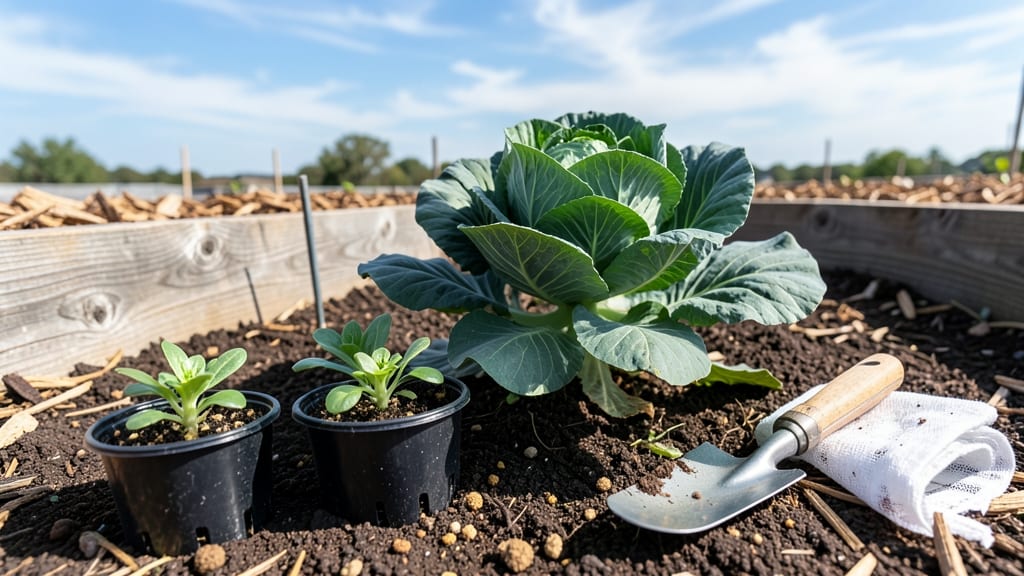
Figuring out when to plant cabbage in Zone 9 can feel like solving a puzzle—especially when summer heat threatens to turn your seedlings into bitter, bolted messes.
Unlike cooler climates, Zone 9’s long growing season demands a different approach: plant too early, and you risk bolting; too late, and your harvest shrinks. But with the right timing, you’ll enjoy crisp, sweet heads from fall through spring.
The key is working with Zone 9’s climate, not against it. Fall plantings in September-October give cabbage (🥬) time to mature before winter’s mild chill, while spring starts in February-March avoid the brutal summer heat.
I’ll show you exactly how to time it right—plus how to stretch your harvest with shade tricks and spacing hacks that actually work in this zone.
You don’t need a green thumb to succeed, just a few smart strategies. We’ll cover the best varieties for heat tolerance, when to fertilize (and when to skip it), and how to tell if your cabbage is ready to harvest—before it’s too late.
Let’s get those heads growing without the guesswork.
Ready to grow cabbage that thrives in Zone 9’s heat? The secret starts with the calendar—and I’ve got the exact dates you need to avoid common mistakes. Let’s dive in.
Zone 9 cabbage planting calendar: exact dates to avoid bolting
Timing is everything when growing cabbage in Zone 9. The key is planting during cooler months when temperatures stay below 75°F—any hotter, and your plants will bolt (go to seed) before forming heads.
My strategy? Focus on two ideal windows: late summer/fall and early spring. Let’s break down the science-backed dates that work best in Zone 9’s microclimates.
Zone 9’s lack of frost means we rely on heat avoidance rather than frost dates. The optimal transplant window is September 15–October 15 for fall harvests, and February 1–March 15 for spring. These dates align with day-length changes and cooling trends—critical for preventing premature bolting.
For coastal areas (like San Diego), you can push fall planting to October 30, while inland zones (like Phoenix) should aim for September 1–15.
| Planting Window | Ideal Transplant Dates | Harvest Window | Key Conditions |
|---|---|---|---|
| Fall | Sep 15–Oct 15 | Dec–Jan | Day temps <70°F, nights >55°F |
| Spring | Feb 1–Mar 15 | May–June | Soil temps <75°F, no heatwaves |
| Extended Fall (Coastal) | Oct 15–30 | Jan–Feb | Moderate humidity, mild nights |
| Avoid Summer | May–Aug | N/A (Bolting Risk) | Temps >80°F trigger bolting |
Why these dates? Cabbage thrives when day lengths shorten (fall) or soil warms gradually (spring). In Zone 9, September–October offers the perfect balance: cooler days (65–75°F) and warmer nights (55–65°F), which encourage head formation without stress.
For spring, February–March ensures seedlings establish before April heatwaves hit. Pro tip: Use a soil thermometer—ideal transplant temps are 50–60°F.
Microclimates matter! Coastal areas (like Santa Barbara) can handle later fall plantings thanks to ocean breezes, while inland valleys (like the Coachella Valley) need earlier transplanting to escape summer heat.
I’ve even seen high-desert Zone 9b gardens (e.g., Yuma, AZ) succeed with October plantings by using 50% shade cloth during the day. Observe your local patterns—your garden’s microclimate is your best guide.
Direct sowing in Zone 9 is risky unless you’re using bolt-resistant varieties like ‘Cavalo’ or ‘Golden Acre’. For most gardeners, transplanting seedlings (from 6–8 weeks old) is safer. Start seeds indoors 8–10 weeks before transplant—so July for fall crops or December for spring.
Use grow lights if your indoor space lacks 12+ hours of light; cabbage needs long daylight to prevent leggy seedlings.
Watch for heat stress signs: yellowing leaves, loose heads, or flower stalks (bolting). If you miss the ideal window, don’t despair—shade cloth (30–50%) can buy you 2–3 extra weeks of safe growth. I’ve saved late-September plantings by covering them with agricultural fabric during peak afternoon sun.
Pair this with daily watering (1–2 inches) to keep roots cool. Consistency is key: bolting is preventable with the right timing and care.
For succession planting, stagger transplants every 2–3 weeks within your chosen window. This ensures a continuous harvest—think December–January for fall crops and May–June for spring. Space plants 18–24 inches apart (closer for dwarf varieties) to allow airflow and reduce disease risk.
In container gardens, use 5-gallon pots with well-draining soil and place them in partial shade during summer.
Remember: Zone 9 cabbage success hinges on avoiding heat. If you plant in May or later, expect bitter, loose heads or premature bolting. But nail those
Zone 9 cabbage planting calendar: exact dates to avoid bolting
Zone 9’s hot summers and mild winters create a unique challenge for growing cabbage. Unlike cooler climates, you’ll skip spring planting entirely and focus on fall and winter windows to prevent bolting—when heat triggers flowering instead of head formation.
My exact planting dates below align with Zone 9’s temperature thresholds (ideal: 60–75°F) to maximize success.
For fall harvests, aim for September–October transplants. This gives plants enough time to mature before winter temperatures drop below 50°F. Spring planting in Zone 9? Not ideal—heat returns too quickly. Instead, try February–March for a late-winter harvest before summer stress sets in.
| Planting Window | Transplant Dates | Harvest Window | Key Notes |
|---|---|---|---|
| Fall Planting | Late August–October 15 | December–March | Cool nights prevent bolting; mulch to retain heat. |
| Winter Planting | February–March 15 | May–June | Risky but possible; use shade cloth if temps rise above 75°F. |
Microclimates matter in Zone 9! Coastal areas (like San Diego) can handle later fall plantings (through November), while inland zones (like Phoenix) should plant by mid-October to avoid heat spikes. Always check your 7-day forecast—if nights dip below 50°F, delay planting until temps stabilize.
Pro tip: Start seedlings indoors 4–6 weeks before transplanting. Use grow lights to mimic 14-hour daylight and harden off seedlings gradually. Skip direct sowing in Zone 9—seedlings struggle in heat and attract pests like cabbage worms.
Watch for bolting signs (tall stems, yellow leaves) after transplanting. If your cabbage bolts, harvest the tender shoots for greens or compost the plant. Preventative shade cloth (30–50% block) during afternoon heat can buy you 2–3 extra weeks of growing time.
For continuous harvests, stagger plantings every 2–3 weeks in September and February. This ensures a steady supply without overwhelming your garden. Pair with companion plants like dill or onions to deter pests naturally.