
Plants
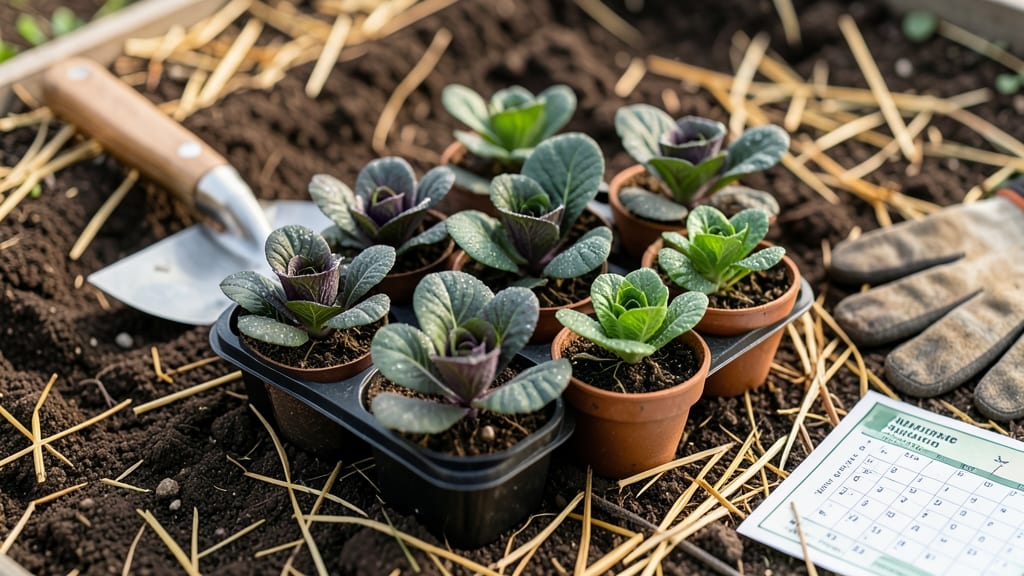
Timing your 🥬 cabbage planting in Indiana right means the difference between a bumper crop and a bitter disappointment. Too early, and frost will turn your tender seedlings into sad, wilted memories.
Too late, and your plants might bolt—sending up those unwanted flower stalks instead of the crisp heads you crave.
Indiana’s 5b-6b climate gives you two prime windows for success: early spring (March-April) or late summer (July-August). But here’s the catch—getting the exact timing right depends on your last frost date, soil temperature, and even which cabbage variety you’re growing.
Skip the guesswork and you’ll enjoy harvests from late spring through fall.
I’ve spent years testing what works in Indiana gardens, and I’ll walk you through the exact frost-free deadlines by zone. Plus, I’ll share pro tips to avoid bolting, whether you’re planting ‘Golden Acre’ for summer heat or ‘Savoy King’ for crisp fall harvests.
Let’s get those heads growing the right way!
Ready to ditch the trial-and-error? You’ll learn how to time your transplants for peak growth, which varieties thrive in your microclimate, and even how to stretch your planting season for extra harvests. No more wasted seeds or sad cabbage plants—just sweet, firm heads ready for the table.
Indiana cabbage planting deadlines by hardiness zone (5a-6b) for frost-free success
Indiana’s USDA hardiness zones 5a-6b create unique challenges for cabbage growers. The last spring frost typically arrives between mid-April and early May, while the first fall frost hits around mid-October. These dates set your planting windows—miss them, and you risk frost damage or bolting (when cabbage prematurely flowers).
For spring planting, aim to transplant seedlings 2-4 weeks before your last frost date. In zone 5a (northern Indiana), this means early April transplants, while zone 6b (southern Indiana) can wait until mid-April.
Fall planting offers a second chance—start seeds 8-10 weeks before your first frost (early July for most of Indiana).
Microclimates matter! Urban areas like Indianapolis often warm up faster than rural zones, while northern Indiana (e.g., Gary) may need earlier starts. Check local Cooperative Extension Service frost maps for precision.
For example, Evansville (zone 6b) can push spring transplants to late April, while South Bend (zone 5b) should plant by early April.
🌱 Indiana Cabbage Planting Timeline by Zone
| Zone | Last Frost Date | Spring Transplant Window | Fall Seed Start Window | Harvest Window |
|---|---|---|---|---|
| 5a (Northern IN) | April 15–May 1 | Early April (seedlings) | Early July | May–June (spring) / Sept–Oct (fall) |
| 5b (Central IN) | April 1–April 15 | Mid-April (seedlings) | Mid-July | Late May–July (spring) / Sept–Oct (fall) |
| 6a (Southern IN) | March 25–April 10 | Late March–early April | Late June | April–June (spring) / Sept–Nov (fall) |
| 6b (Southeast IN) | March 15–March 30 | Mid-to-late April | Early July | May–July (spring) / Sept–Nov (fall) |
💡 Pro Tip: Use row covers to extend spring planting by 2–3 weeks in cooler zones.
For fall cabbage, focus on 75–80-day varieties to mature before frost. Start seeds indoors in early July and transplant late July to early August. Southern Indiana can push this to mid-August, but avoid planting after August 15—long daylight hours trigger bolting.
Use shade cloth (30–50%) in summer to slow heat stress if transplanting early.
Soil temperature is critical. Cabbage thrives when soil is 45–55°F for germination. In Indiana, this typically aligns with late March to early April for spring. Use a soil thermometer to confirm—cold, wet soil delays growth. If temperatures dip below 40°F, cover seedlings with frost blankets until soil warms.
Indiana’s 165 frost-free days create a narrow window for success. Plan ahead: spring cabbage needs 70–90 days to harvest, while fall cabbage has just 60–75 days before frost.
Balance variety selection with your zone—‘Golden Acre’ (70 days) works for both seasons in zone 5b, but ‘Savoy King’ (90 days) is better for spring in zone 6b.
Don’t overlook succession planting. In spring, sow every 2 weeks from April to May for staggered harvests. For fall, repeat in early July and mid-July to ensure a continuous crop. This strategy maximizes your garden’s potential and minimizes bolting risks from heat spikes.
Local Indiana
How to time cabbage transplants for bolting-free growth in Indiana’s heat
Indiana’s summer heat can turn your cabbage plants into bitter, bolting disasters if you’re not careful. The key to avoiding this is timing your transplants just right—when soil temperatures are warm enough to support growth but not so hot that they trigger flowering.
I’ve learned the hard way that planting too early in spring or too late in summer can both backfire, so let’s break down the exact conditions you need to nail.
First, aim to transplant your cabbage seedlings when soil temperatures consistently reach 50°F (10°C) at a depth of 2 inches. This usually aligns with late April to early May for most of Indiana, but cooler microclimates (like northern zones) may need to wait until early May.
For fall planting, transplant by early August to give your plants enough time to mature before the first frost hits in mid-October.
Here’s the secret weapon: shade cloth. If you’re planting in July or August, use a 30-50% shade cloth to protect young transplants from intense heat. This keeps soil temperatures cooler and reduces stress, which is critical for preventing bolting.
I’ve seen Golden Acre cabbage thrive under shade cloth in July, while unprotected plants bolted within weeks.