
Plants
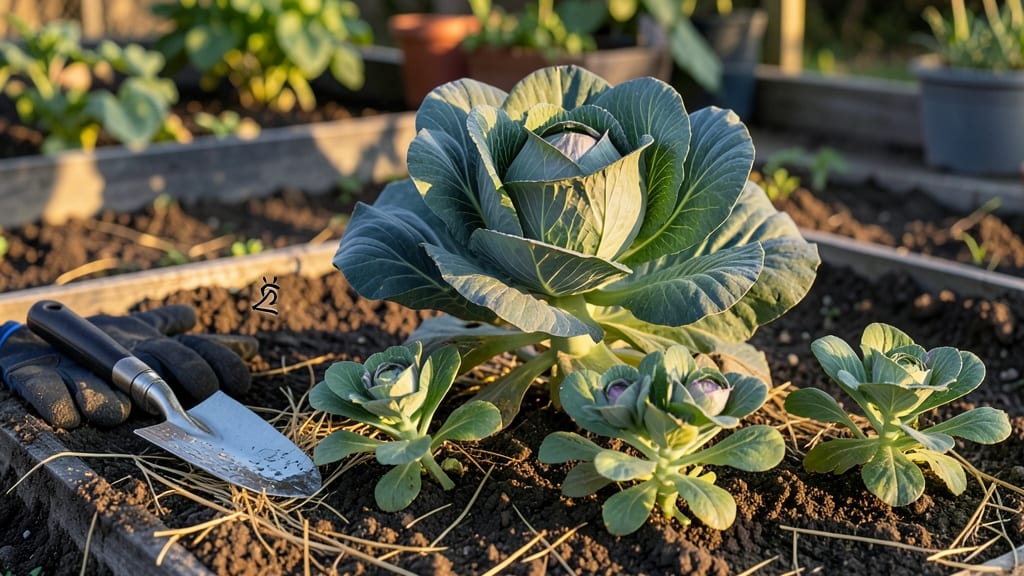
If you’ve ever wondered when do you plant cabbage in Alabama to avoid bolting or wilting in summer heat, timing is the secret weapon you’ve been missing. Planting too early risks heat stress, while waiting too long leaves your crop vulnerable to frost—both common mistakes in Alabama’s 7b-8b zones.
Here’s the game-changer: Alabama’s climate actually gives you two prime windows for planting—early spring (February–March) and late summer (July–August)—each with its own tricks to beat the heat or extend the season.
I’ll break down the exact deadlines for your heat zone, plus how to adjust for Alabama’s humidity and pests that can sabotage your harvest.
Whether you’re a first-time gardener or a veteran grower, these insights will help you avoid the 5 critical mistakes that ruin cabbage crops in Alabama. From soil prep to transplant timing, we’ll cover everything so you can enjoy crisp, homegrown heads from May through November.
Ready to transform your garden? Let’s dive into the step-by-step schedule that’s already worked for Alabama gardeners—and will work for you.
Alabama cabbage planting calendar by heat Zone (spring & fall)
Alabama’s USDA zones 7b-8a offer two prime windows for growing cabbage: early spring and late summer. The key is avoiding the scorching summer heat (which causes bolting) and the early frost (which ruins tender leaves).
For Zone 7b (Northern AL), aim for February–March planting, while Zone 8a (Southern AL) can start as early as January.
Spring cabbage thrives when soil temps hit 45°F but stays below 80°F. Fall plantings must go in 10–12 weeks before frost (typically July–August). Direct sowing works, but transplants (from nurseries) give you a head start—just harden them off first!
Here’s your month-by-month breakdown for Alabama’s two main cabbage seasons, including soil prep and transplant timing:
| Season | Planting Month | Task | Notes for Alabama |
|---|---|---|---|
| Spring | January (Zone 8a only) | Start seeds indoors | Gulf Coast areas can begin early; use grow lights if needed. |
| February–March | Transplant seedlings or direct sow | Soil should be 45–50°F. Space plants 18–24 inches apart. | |
| April | Thin seedlings | Keep soil moist; mulch to retain moisture. | |
| May–July | Harvest | Pick heads before they bolt in summer heat. | |
| Fall | July (Zone 7b) | Start seeds indoors | Use shade cloth if temps exceed 85°F. |
| August | Transplant seedlings | Soil should be 60–70°F. Use row covers for early frost protection. | |
| September–October | Harvest | Fall cabbage stays sweeter in cooler temps. | |
| November | Remove plants | Clean up debris to prevent pests. |
For direct sowing, scatter seeds ¼-inch deep and thin to 12–18 inches apart. If using transplants, choose compact varieties like ‘Golden Acre’ or ‘Cavalo’—they handle Alabama’s heat better. Always amend soil with compost and a balanced fertilizer (10-10-10) before planting.
Alabama’s humidity can encourage fungal diseases like downy mildew. Space plants properly and water at the base (not overhead) to keep leaves dry. A mulch layer also helps retain moisture and suppress weeds—critical in Alabama’s clay-heavy soils.
If you’re in Zone 8a (e.g., Mobile or Gulf Shores), you can even try a winter crop by planting in December under row covers. Just monitor for early frost and remove covers during the day for ventilation.
For Zone 7b (e.g., Birmingham or Huntsville), stick to the spring/fall schedule to avoid frost damage.
Timing your cabbage harvest is just as critical as planting. Heads should be firm and compact, with leaves tightly wrapped. If left too long, they’ll split or bolt—especially in Alabama’s unpredictable summer heat. For a sweetest flavor, harvest in the morning after dew has dried.
🥬 Remember: Alabama’s long growing season (up to 215 frost-free days) lets you experiment with successive plantings. Try a mix of spring and fall varieties to enjoy fresh cabbage year-round!
How to adjust planting for Alabama’s microclimates (coastal vs. inland)
Alabama’s diverse microclimates mean your cabbage success depends on where you live. The Gulf Coast (Zone 8a) stays warmer longer, while inland areas (Zone 7b) face hotter, drier summers. These differences affect everything from shade tolerance to watering needs—and even which cabbage varieties thrive.
Let’s break down the key adjustments for each region to keep your plants happy and productive.
In Southern Alabama (Zone 8a), humidity lingers year-round, and summers rarely dip below 85°F. This means bolting risk is higher if you plant too early. Heat-tolerant varieties like ‘Cavalo’ or ‘Golden Acre’ are your best bet, and you’ll need to extend shade during peak afternoons.
Meanwhile, Northern Alabama (Zone 7b) experiences more extreme temperature swings, with dry heat stress in summer and earlier frosts in fall. Here, row covers become your ally for both season extension and pest protection.
🌱
🌊 Southern Alabama (Zone 8a)
🏞️ Northern Alabama (Zone 7b)
For urban gardeners in cities like Birmingham or Mobile, microclimates can vary block by block. South-facing walls or pavement heat can create mini heat islands, pushing soil temps up by 10°F+.
If your garden sits in a hotter pocket, opt for shorter-day varieties like ‘Early Drumhead’ and mulch heavily to retain moisture. Conversely, shady spots (common under trees) may delay maturity—consider dwarf varieties or supplement with a grow light for 4-6 hours daily.
One game-changer for both regions is season extension tools. In Southern Alabama, floating row covers help shield young plants from late-summer heat spikes, while in Northern Alabamaearly fall frosts.
A cold frame can push your fall harvest by 3-4 weeks, and black plastic mulch warms soil faster in spring. For coastal areas, prioritize airflow to prevent fungal diseases like downy mildew—space plants 18-24 inches apart and avoid overhead watering.
💧 Finally, soil prep varies by region. Southern gardens often need amended drainage due to clay-heavy soils, while Northern areas benefit from organic matter to retain moisture. Test your soil’s pH (6.0-7.0 ideal) and add compost or aged manure before planting. In high-humidity zones, a mulch layer (straw or pine needles) reduces soil splashing and disease spread. With these