
Plants
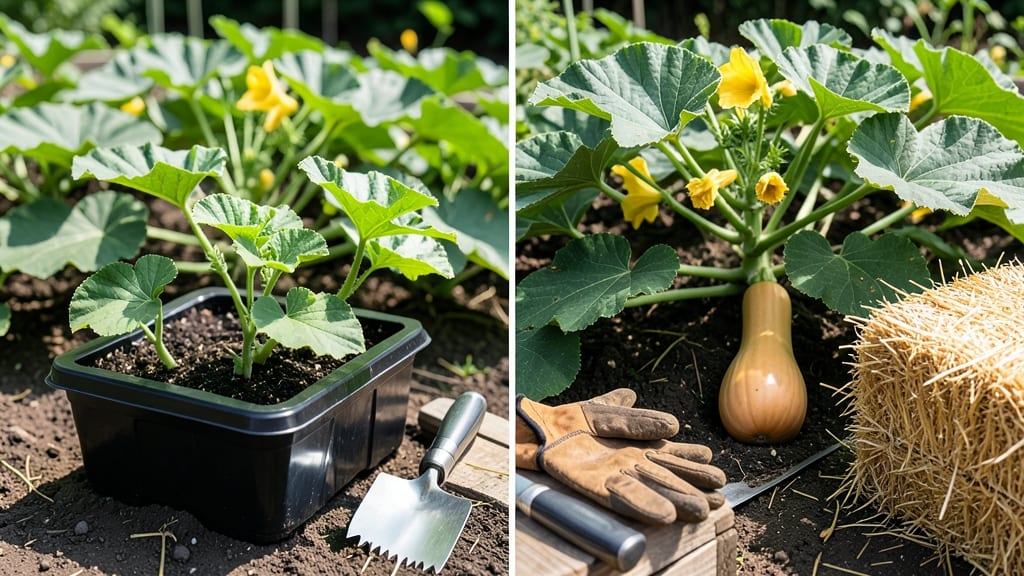
If you're dreaming of a bountiful harvest of sweet, nutty butternut squash 🎃 but don't want to risk bitter fruit or wasted effort, when to plant butternut squash in Florida is everything in the state’s unique climate.
Unlike northern states, Florida's frost-free zones mean you can plant year-round—but knowing the perfect windows makes all the difference between thriving vines and struggling plants.
I've grown butternut squash in Florida's 9a-11 zones for years, and the key to success isn't just avoiding frost (which rarely happens here) but mastering soil warmth and humidity.
Plant too early, and your squash will languish in cool soil; too late, and summer's brutal heat can stress the plants before harvest. Let me show you the exact months to start seeds or transplant for maximum yield.
What most gardeners miss is how Florida's microclimates—from coastal breezes to inland heat—create different ideal planting times.
Whether you're in North Florida's cooler pockets or the South's steamy summers, I'll break down the best strategies for both spring and fall planting, including when to harden off seedlings and how to protect them from unexpected weather.
Ready to grow butternut squash like a pro? You'll learn how to time your planting for zero frost risk, choose the right transplant dates based on your heat zone, and even extend your harvest season with simple tricks. Let's get those vines growing!
Florida heat Zone planting calendar for butternut squash (avoid frost & heat stress)
Florida’s frost-free climate gives you two prime windows to grow butternut squash—spring and late summer—each with unique advantages. Unlike northern states, you won’t battle frost, but heat stress and humidity can still derail your harvest if you plant at the wrong time.
The key is timing your seeds or transplants to align with soil warmth (minimum 60°F) and day length sensitivity.
Butternut squash thrives in Florida’s USDA Zones 9a-11, but even within these zones, microclimates vary dramatically. Coastal areas like Miami (Zone 11) can plant year-round, while North Florida (Zone 8a) should focus on spring planting to avoid summer’s oppressive heat.
Let’s break down the optimal planting months and how to adjust for your specific location.
| Heat Zone | Best Planting Window | Soil Temp Requirement | Key Considerations |
|---|---|---|---|
| 8A (North FL: Jacksonville) | March 15–April 15 | 60–65°F | Avoid summer heat; use shade cloth if planting late. |
| 9A (Central FL: Orlando) | February 20–April 30 | 60–70°F | Spring or late summer (Aug–Sept) for second harvest. |
| 9B (South FL: Tampa) | January 15–May 15 | 60–75°F | Year-round possible with shade; peak in spring. |
| 10A (South FL: Miami) | Year-round (peak: Feb–Apr, Aug–Sept) | 60–80°F | Use shade cloth in summer; harvest twice yearly. |
| 11 (Key West) | Year-round (peak: Jan–Mar, Sep–Nov) | 65–85°F | No frost risk; focus on disease prevention. |
For North Florida gardeners (Zones 8a–9a), the spring window (March–May) is your best bet. Planting in late summer (August–September) risks heat stress and powdery mildew from Florida’s humidity. Start seeds indoors 4–6 weeks before your target transplant date to give seedlings a head start in cooler soil.
In Central and South Florida (Zones 9b–11), you can push the envelope with late summer planting (August–September) for a fall harvest. However, use shade cloth (30–50%) during peak afternoon heat (12–4 PM) to protect young plants.
Coastal areas like Miami and Key West can even attempt winter planting (December–January), but growth will slow dramatically.
Pro tip: Check your local AgriMet station for real-time soil temperatures. Butternut squash seeds won’t germinate below 60°F, and transplants struggle in soil below 65°F. Use a soil thermometer to confirm readiness—this is your #1 tool for Florida success.
If you’re in Zone 8a (North FL), consider succession planting every 2 weeks in spring to stagger harvests. This spreads out your labor and ensures a steady supply of sweet, mature squash before summer’s heat sets in.
For example, plant March 1, March 15, and April 1 to harvest from June through August.
One common mistake Florida gardeners make is overlooking day length. Butternut squash is day-length sensitive—it needs 12+ hours of daylight to trigger flowering.
In North Florida, this aligns perfectly with spring planting, but in South Florida, summer’s long days can actually reduce yield if plants get too stressed. Balance sun exposure with afternoon shade during peak summer months.
For direct sowing (planting seeds directly in the ground), aim for 2–3 weeks after your last frost date—though Florida rarely has frost, North FL can see light freezes in winter.
If you’re unsure, err on the side of earlier planting and use row covers for extra protection against unexpected chilly nights.
Remember: Butternut squash vines spread 3–6 feet, so plan your garden layout accordingly. In Florida’s heat, mulching with straw (3–4 inches) keeps roots cool and retains moisture. Pair your squash with companion plants like bush beans or mar
5 Critical factors that determine your perfect planting window in Florida
Florida’s climate isn’t one-size-fits-all—your perfect planting window depends on 5 key factors that vary by region. Ignoring these can mean bitter squash or stunted growth. Let’s break down what truly matters for your butternut squash success.
First, soil temperature is non-negotiable. Butternut squash won’t germinate until soil hits at least 60°F. In North Florida (Zones 8A-9A), this usually means waiting until mid-April, while South Florida (Zones 10A+) can start as early as February. Use a soil thermometer—don’t guess!
Second, day length sensitivity plays a sneaky role. Butternut squash prefers longer days (12+ hours of sunlight) for optimal flowering. Planting in late May risks shorter days and fewer fruits. For a second crop, aim for August when days start lengthening again.
Third, humidity and disease risk are Florida’s double-edged sword. High humidity (especially in summer) can lead to powdery mildew. Plant in spring when humidity is lower, or choose resistant varieties like ‘Waltham’ if you’re planting in summer. Space vines 3-4 feet apart to improve air circulation.
Fourth, microclimates matter. Coastal areas stay cooler and more humid than inland spots. If you’re near the coast, plant 2-3 weeks later than inland gardeners to avoid overly wet soil. Inland areas can plant earlier but watch for sudden heat spikes that stress young plants.
Finally, hurricane season timing can’t be ignored. Planting in late August risks storm damage to vines. For a safe second crop, stick to early August and use windbreaks or row covers if storms are forecasted. 🌱