
Plants
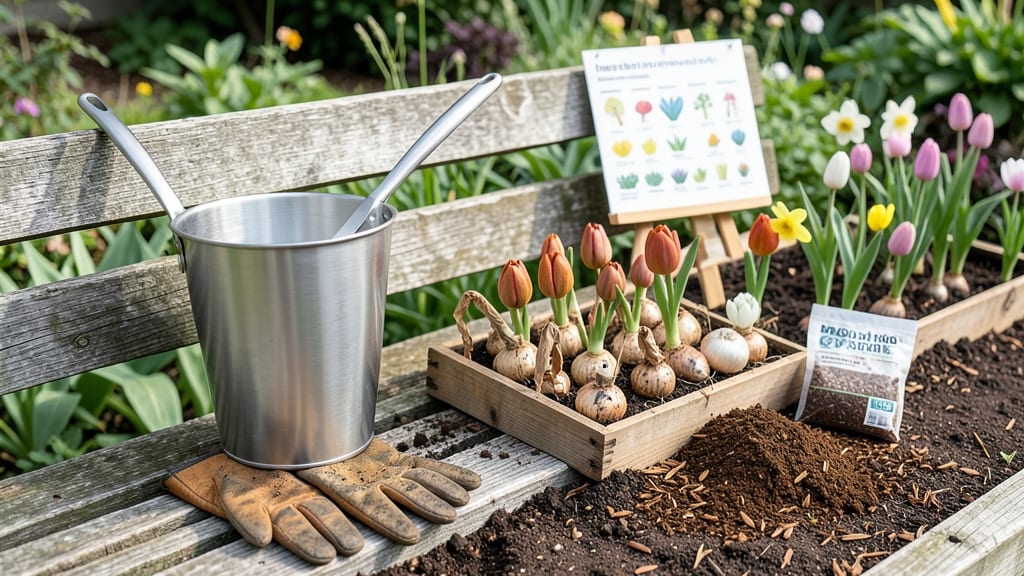
Planting bulbs in Houston isn’t just about picking a season—it’s about beating the clock before frost or summer’s sweltering heat ruins your chances. With USDA Zone 9a’s unpredictable shifts between humidity and cold snaps, timing is everything for vibrant spring blooms or fall displays.
Whether you’re dreaming of tulips or native spider lilies, getting it right means fewer guesses and more guaranteed results.
Most gardeners in Houston wait until September or October to plant fall-blooming bulbs, but that’s only half the story. The real secret lies in understanding how Houston’s clay-heavy soil and late frosts can throw off even the most well-intentioned plans.
I’ll walk you through the exact windows—plus how to prep your soil and choose the toughest varieties for our climate.
Why does this matter? Because planting too early risks bulbs rotting in Houston’s damp winters, while waiting too long means summer’s heat zaps their energy before they even sprout.
The good news? With the right approach, you can extend your blooming season and skip the trial-and-error. Let’s dive into the foolproof methods that actually work here.
From frost dates to heat-resistant picks, I’ll cover everything you need to know to turn your Houston garden into a year-round showstopper—without the stress. Ready to make your bulbs thrive where others fail?
Houston’s ideal bulb planting months by season (with frost-free deadlines)
Houston’s USDA Zone 9a climate means bulbs thrive with precise timing—too early and they rot, too late and blooms arrive after summer’s heat. Unlike northern climates, Houston’s mild winters and hot summers create a narrow window for success.
Most bulbs need 6-8 weeks to establish roots before the first frost, which typically arrives around December 15. Tropical bulbs, however, follow a different schedule entirely.
For spring-blooming bulbs like tulips and daffodils, fall planting is critical. These bulbs require cool soil temperatures (below 60°F) to trigger blooming. In Houston, this means planting between September and November, with October being the sweet spot.
Planting too late risks bulbs sprouting before winter’s chill, while early planting may lead to rot in Houston’s heavy clay soil.
Houston’s humidity and heat also demand attention. Unlike drier climates, bulbs here need well-draining soil to prevent fungal diseases. If you miss the fall window, spring planting (February-March) works for some varieties, but expect smaller blooms and delayed flowering.
Tropical bulbs, like spider lilies, can be planted year-round but peak in late summer.
Houston Bulb Planting Timeline
| Season | Best Months | Bulb Types | Key Consideration |
|---|---|---|---|
| Fall | September-November | Tulips, Daffodils, Hyacinths, Crocus | Soil temp <60°F; avoid heavy rain |
| Spring | February-March | Rain Lilies, Spider Lilies, Some Daffodils | Smaller blooms; needs consistent moisture |
| Year-Round | Any Month | Tropical Bulbs (Crinum Lilies, Zephyranthes) | Heat-tolerant; plant after last frost |
🌱 Pro Tip: Test soil moisture before planting—Houston’s clay holds water longer than you think.
Houston’s first frost date (around December 15) is your deadline for fall-planted bulbs. If you’re late, opt for cold-hardy varieties like daffodils or crocus, which tolerate brief chills.
For spring planting, focus on tropical bulbs like rain lilies (Zephyranthes), which thrive in Houston’s heat and bloom in late summer.
One common mistake in Houston is overwatering after planting. Bulbs need moist but not soggy soil. In our humid climate, mulching with pine straw (not wood chips) helps regulate moisture and prevent fungal rot. Avoid planting bulbs in low-lying areas where water pools—Houston’s heavy rains can drown them.
If you’re new to Houston gardening, start with easy-care bulbs like daffodils or crocus. These tolerate our clay soil and humidity better than delicate tulips. For container gardening, choose smaller bulbs (like miniature daffodils) and ensure pots have drainage holes to prevent root rot.
Remember: Houston’s summer heat can stress bulbs, so plant in partial shade if your yard is full sun. A morning sun, afternoon shade spot works best for most varieties. For extended blooms, fertilize lightly in early spring with a balanced 10-10-10 fertilizer—just 1 tablespoon per plant.
Finally, mark your calendar for late February, when Houston’s spring rains often arrive. This is when tropical bulbs like spider lilies (Lycoris) should be planted for summer blooms. With the right timing, you’ll enjoy vibrant blooms from fall through summer—no frost required!
Houston’s ideal bulb planting months by season (with frost-free deadlines)
Houston’s USDA Zone 9a climate throws a curveball for bulb lovers—our late frosts (often around December 15) and summer heat demand precision timing.
Unlike northern gardens, we can plant fall-blooming bulbs (like tulips and daffodils) in late fall, but the real magic happens in September and October for spring blooms. This window gives bulbs time to root before winter’s mild chill.
For tropical bulbs (like spider lilies), Houston’s warm winters mean you can plant year-round—but September is still ideal to avoid summer’s brutal heat. The key? Soil temperature must stay above 60°F for 6+ weeks after planting.
If you miss the fall window, don’t panic—December planting still works for hardy varieties like crocus.
| Season | Best Months | Bulb Types | Soil Temp | Houston Tip |
|---|---|---|---|---|
| Fall | September–October | Tulips, Daffodils, Hyacinths | 60–70°F | Plant 6–8 weeks before first frost |
| Late Fall | December | Crocus, Snowdrops | 50–60°F | Hardy to light frosts |
| Spring | February–March | Rain Lilies, Spider Lilies | 65–75°F | Avoid summer planting |
| Year-Round | September–November | Tropical Bulbs (Crinum) | 70°F+ | No frost risk |
Missed the fall window? December planting still works for cold-hardy bulbs like crocus, but avoid anything sensitive to frost. The real deadline is January 15—after that, bulbs won’t root before Houston’s rare cold snaps.
For spring-blooming bulbs, aim for September 15 to give roots time to establish before winter.
Pro tip: Use mulch (2–3 inches of straw) after planting to insulate bulbs from Houston’s unpredictable temperature swings. This trick adds 2–4 weeks of frost protection, giving bulbs extra time to root. Just
For tropical bulbs, Houston’s heat is your friend—plant spider lilies in September for summer blooms, and they’ll reward you with low-maintenance color when most gardens fade. The secret? Well-draining soil and morning watering to avoid fungal issues in our humidity.