
Plants
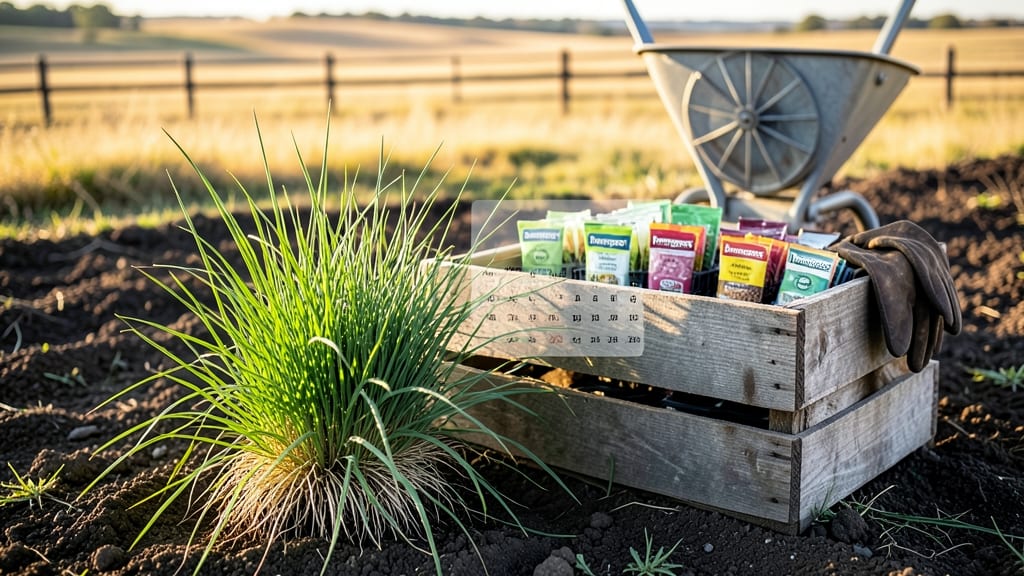
If you're looking to plant Brome Grass in Kansas, timing is the key to success—get it wrong, and you might end up with sparse, weak growth that struggles to take hold.
This hardy grass thrives in USDA Zones 5b-7a, but knowing exactly when to plant makes all the difference for long-term durability.
Most Kansas gardeners swear by two ideal windows: late summer to early fall (August-September) or early spring (March-April). These periods give the grass roots the best chance to establish before extreme heat or frost sets in, ensuring a stronger, more resilient stand.
Why does timing matter so much? Brome Grass needs consistent moisture and warm soil to germinate properly. Planting too early in cold soil or too late in scorching summer heat can stunt growth, while the right window aligns perfectly with Kansas' climate patterns.
In this guide, I’ll break down the exact months that work best for your region, along with soil prep tips and care routines to maximize your success. Let’s get started on growing lush, drought-resistant Brome Grass that stands up to Kansas’ challenges.
Optimal planting months for brome grass in Kansas based on climate zones
Kansas spans USDA hardiness zones 5b through 7a, creating distinct planting windows for brome grass. The ideal months depend on whether you’re in the cooler northern regions or warmer southern areas.
In Zone 5b, aim for late April to early May to avoid late frosts, while Zone 7a gardeners can plant as early as mid-March.
Fall planting is also excellent in Kansas, with August to early September offering cooler soil temperatures and consistent moisture—perfect for seed germination. This timing gives roots time to establish before winter dormancy, ensuring stronger growth in spring.
Brome grass thrives in Kansas’ drought-prone climate, making fall planting particularly advantageous. By sowing in late summer, you capitalize on residual summer moisture while avoiding the heat stress of mid-summer planting.
| Climate Zone | Best Planting Window | Soil Temp Threshold | Key Consideration |
|---|---|---|---|
| Zone 5b (North KS) | Late April - Early May | 50-55°F | Avoid late frosts (avg. last frost: April 15) |
| Zone 5b (North KS) | August - Early September | 60-65°F | Leverage summer moisture before fall |
| Zone 6a (Central KS) | Early April - Mid-May | 50-55°F | Soil warms faster; plant earlier |
| Zone 6a (Central KS) | Late July - August | 60-65°F | Maximize summer rainfall |
| Zone 7a (South KS) | Mid-March - Early April | 50-55°F | Longer growing season; plant early |
| Zone 7a (South KS) | Late August - Early September | 60-65°F | Avoid extreme summer heat |
For northern Kansas (Zone 5b), prioritize spring planting in May to ensure seeds germinate before summer drought sets in. In southern Kansas (Zone 7a), you can push planting to early March, but monitor soil moisture closely—dry spells can delay germination.
Brome grass establishes best when soil temperatures are consistently above 50°F. Use a soil thermometer to confirm readiness—planting too early in cold soil leads to poor germination. In Kansas, this typically aligns with late April for spring and mid-August for fall.
Local Kansas State University Extension recommends adjusting planting dates based on rainfall forecasts. If drought is predicted, opt for fall planting to rely on stored soil moisture. Check their weather and climate resources for real-time adjustments.
Pro tip: In Zone 6a, split your planting—sow 20% of seeds in spring and 80% in fall for a lush, year-round green appearance. This strategy works especially well for erosion control on slopes.
Always account for first frost dates when planning fall sowing. In Zone 5b, seeds need 6-8 weeks to establish before winter, while Zone 7a allows up to 10 weeks of growth before frost.
Optimal planting months for brome grass in Kansas based on climate zones
Kansas spans USDA Zones 5b-7a, creating distinct planting windows for Brome Grass. In the northern regions (Zone 5b), aim for late August-September or early March-April, while southern Kansas (Zone 7a) benefits from slightly extended windows—late July-September or February-April.
These timings align with soil warmth and moisture availability.
The fall window (August-September) is ideal because warm soil and cooler air reduce stress on young seedlings. Meanwhile, spring planting (March-April) works best after the last frost date, which typically falls around April 15 in Zone 5b and April 1 in Zone 7a.
Here’s how Kansas’ climate zones break down for planting success:
| Zone | Ideal Planting Window | Soil Temp for Germination | Key Consideration |
|---|---|---|---|
| 5b (North) | Late August-September or March-April | 55-65°F | Avoid early spring frost risks |
| 6a (Central) | Late July-September or February-April | 55-65°F | Warmer soils extend spring window |
| 7a (South) | Late July-September or February-April | 60-70°F | Higher humidity may require extra drainage |
For Zone 5b, early September is critical—planting too late risks first frost (November 1), while Zone 7a gardeners can push into early October. Always check local frost-free date calculators (like the Kansas State University Ag Climate tool) for precision.
Fall-planted Brome Grass benefits from cooler temperatures and consistent rainfall, which encourages deep root growth before winter. Spring plantings, however, require weekly moisture checks until establishment, as Kansas’ spring can be unpredictable.
Regardless of zone, avoid planting in extreme heat (July-August)—soil temperatures above 80°F slow germination. Use a soil thermometer to confirm ideal conditions (55-70°F for best results).
Pro tip: If you miss the fall window, late winter (January-February) is a backup option in Zone 7a, but cover seeds with mulch to protect against freeze-thaw cycles.