
Plants
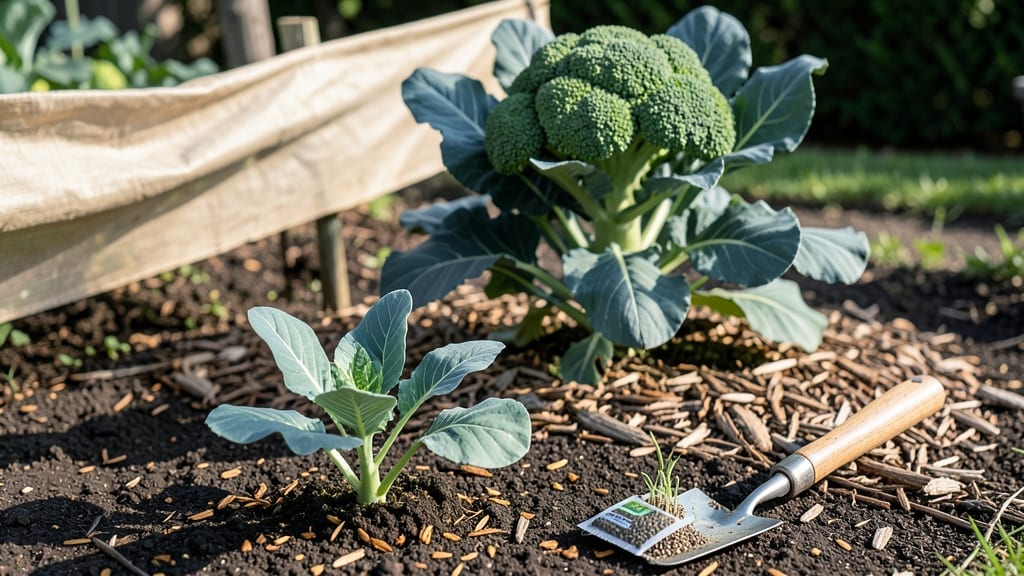
Knowing when to plant broccoli in Zone 9b can mean the difference between a thriving garden and a bitter disappointment—especially when summer heat turns your 🥦 into a sad, bolted mess. In places like Phoenix or Southern California deserts, timing isn’t just about seasons; it’s about cheating the climate’s tricks.
Most gardeners in Zone 9b assume broccoli is a spring crop, but that’s a recipe for failure. The key? Planting in fall (October-November) or early winter (December-February) when temperatures dip below 75°F. This gives your broccoli the cool-weather start it craves before summer’s relentless sun forces it to bolt.
Here’s the game-changer: heat-tolerant varieties like ‘De Cicco’ or ‘Calabrese’ can stretch your growing window, but even they need shade cloth when temps hit 90°F+.
We’ll break down the exact months to plant, how to avoid bolting, and why succession planting in late winter keeps your harvests rolling through spring.
Skip the guesswork—let’s turn your Zone 9b garden into a broccoli powerhouse, one strategic planting at a time.
Best planting months for broccoli in Zone 9b to avoid bolting
Zone 9b’s warm winters and scorching summers make broccoli planting a delicate balance. Unlike cooler climates, you can’t plant in spring—heat stress causes broccoli to bolt (flower prematurely), turning bitter. Instead, focus on fall and winter plantings when temperatures stay below 75°F.
Your ideal window spans from late September to November, with a secondary window in December for slower-growing varieties. This timing ensures cool soil (60-70°F) and prevents the plant from sensing summer’s approach too soon.
Direct sowing works best in October when soil temps drop below 75°F. For transplants, aim for September-October—young plants need 4-6 weeks to establish roots before winter chill sets in.
🌱 Pro Tip: Use a soil thermometer to confirm temps are 60-70°F before planting. Broccoli seeds won’t germinate well in soil above 80°F.
| Planting Method | Best Months | Soil Temp | Days to Harvest | Heat Risk |
|---|---|---|---|---|
| Direct Sowing | October - November | 60-70°F | 60-90 days | Low (fall/winter) |
| Transplants (6-week starts) | September - October | 65-75°F | 50-70 days | Moderate (early fall) |
| Winter Succession | December | 55-65°F | 70-90 days | None (cool temps) |
| Spring Attempt (Risky) | March (with shade) | Above 75°F | 45-60 days | Very High (bolting) |
For succession planting, sow seeds every 2-3 weeks from October through December. This staggered approach ensures a continuous harvest from February through April—just as summer heat ramps up.
💧 Watering Warning: Overwatering in warm soil (even in fall) can stress plants. Aim for 1-1.5 inches per week and water deeply in the morning to prevent fungal diseases like downy mildew.
If you miss the fall window, consider container growing with shade cloth. Move pots to cooler microclimates (like east-facing beds) or elevate them to improve airflow during 90°F+ days.
🌿 Zone 9b Reality Check: Broccoli won’t thrive in Zone 9b’s summer heat—save seeds for fall. Even with shade, temperatures above 85°F trigger bolting within 10-14 days.
For year-round production, pair broccoli with fast-maturing greens (like spinach or kale) in winter. These cool-season crops tolerate mild Zone 9b winters while broccoli matures.
Best planting months for broccoli in Zone 9b to avoid bolting
Zone 9b’s warm winters and hot summers make broccoli planting timing critical to avoid premature bolting. Unlike cooler climates, you’ll skip spring plantings entirely and focus on fall and winter windows when temperatures stay below 75°F.
The key is starting seeds or transplants 6-8 weeks before first frost—though Zone 9b rarely sees frost, aim for October to December for optimal growth.
Direct sowing in September is possible in coastal areas with milder microclimates, but most gardeners in inland Zone 9b prefer transplanting young starts from nurseries. This gives broccoli a head start before winter rains arrive, reducing stress on seedlings.
For year-round harvests, plan two plantings: one in late October and another in early December.
| Planting Method | Best Months | Soil Temp (°F) | Heat Risk |
|---|---|---|---|
| Direct Sowing | September (coastal only) | 60-70°F | Low |
| Transplanting | October-November | 55-65°F | Moderate |
| Succession Planting | December-January | 50-60°F | Low |
Broccoli thrives when soil temperatures stay between 55°F and 70°F, so avoid planting during summer heat waves (June-August). If you must plant in late summer, use shade cloth (30-50%) to protect seedlings from 90°F+ temperatures, which trigger bolting.
Test soil moisture daily—broccoli wilts faster in heat, even with consistent watering.
For coastal Zone 9b gardens (e.g., San Diego), extend your window by planting as early as mid-September. Inland areas (e.g., Phoenix) should wait until October 15th to ensure cooler nights. Always harden off transplants for 7-10 days before moving them outdoors to prevent shock.
Pro tip: Use black plastic mulch to warm soil in early fall plantings, accelerating germination. Pair this with drip irrigation set to deliver 1-1.5 inches of water weekly, adjusting for rainfall. Monitor for cabbage worms—they love young broccoli plants in warm winters!
Harvest begins 60-90 days after transplanting, typically in February-April. Cut heads when fully formed but before yellow florets appear. Side shoots will regrow, giving you 2-3 harvests per plant if cared for properly.