
Plants
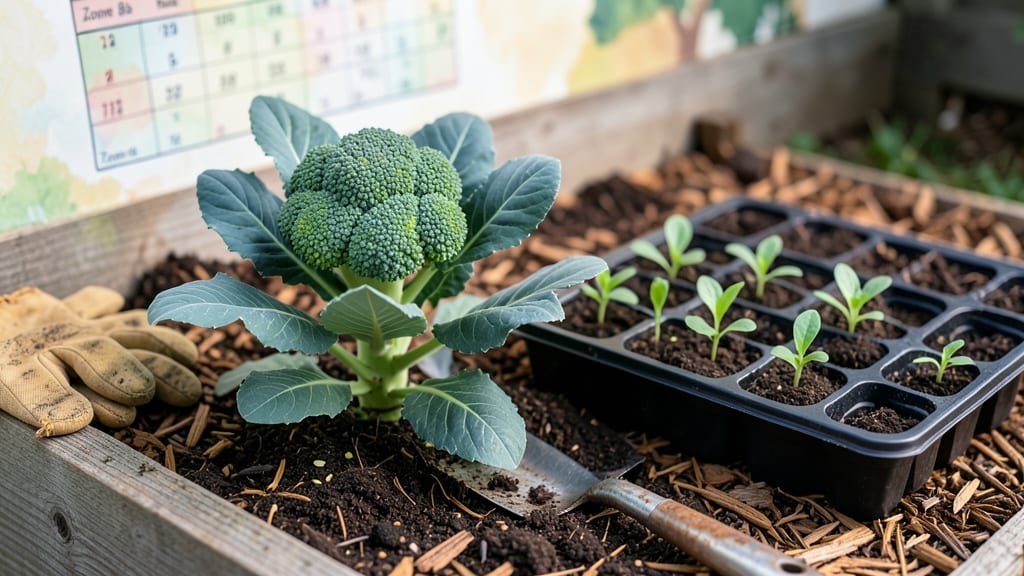
If you're growing broccoli in Zone 8b, timing your planting is the key to avoiding bitter, tough heads and getting sweet, tender florets instead. The wrong schedule could mean bolting before you even harvest, leaving you with disappointment instead of a bountiful garden.
Most gardeners in Zone 8b focus on two ideal windows: early fall or late winter. These periods give broccoli the cooler temperatures it craves while avoiding the extreme heat that triggers bolting.
But there's more to it than just picking a month—soil temperature, frost dates, and even microclimates play a role.
In this guide, I’ll break down exactly when to plant for fall and spring harvests, how to adjust for your local conditions, and proven tips to keep your 🥦 thriving.
Whether you're a first-time gardener or a seasoned pro, these insights will help you grow broccoli that's ready to harvest at its peak.
Ready to transform your garden? Let’s dive into the best planting strategies tailored for Zone 8b’s unique climate—so you can enjoy homegrown broccoli all season long.
Optimal broccoli planting times in Zone 8b for maximum yield
In Zone 8b, where summer heat can push broccoli into early bolting, timing your plantings for cooler months is key. The secret to sweet, tender heads lies in planting during early fall (August-September) or late winter (February), when soil temperatures stay below 75°F.
This avoids the heat stress that triggers bolting before heads mature.
Zone 8b's last frost date typically falls around December 15, giving you a 245-day frost-free window. For fall crops, count back 8-10 weeks from your first frost to determine your ideal transplant window.
Spring plantings should go in 2-3 months before last frost to ensure harvest before summer heat peaks.
Microclimates in Zone 8b can vary dramatically—coastal areas stay milder longer than inland spots. If you're near the coast, you might push fall plantings into early October, while inland gardeners should aim for mid-September to avoid heat spikes. Always check your local historical frost dates for precision.
Soil temperature is your best indicator. Broccoli seeds need soil at 40-85°F to germinate properly. Use a soil thermometer to confirm—if temps creep above 80°F, wait for cooler evenings before planting.
In Zone 8b, this often means late afternoon planting in peak summer to reduce heat stress on young seedlings.
| Season | Planting Window | Soil Temp | Frost Risk | Harvest Window |
|---|---|---|---|---|
| Fall | August 15 - September 15 | 50-70°F | Low (after Sept 15) | October - December |
| Spring | February 1 - March 15 | 45-65°F | High (before March) | April - May |
| Late Summer (Risky) | July 15 (transplants only) | 60-75°F max | None | September (small heads) |
For fall plantings, prioritize heat-tolerant varieties like 'Waltham 29' or 'De Cicco' that can handle brief summer heat before cooling down. Start seeds indoors 4-6 weeks before transplanting to give them a head start. In Zone 8b, this means sowing seeds by mid-July for August transplants.
Spring plantings require extra caution. Zone 8b's warming trend means soil can heat up quickly by March. Use shade cloth (30-50%) over young seedlings until they establish roots. Mulch with straw or wood chips to keep soil temps stable and moisture consistent.
If you're experimenting with late summer plantings, only attempt this with mature transplants (not seeds) and provide afternoon shade. Expect smaller heads, but it's a great way to extend your harvest into September when fall crops aren't ready yet.
Remember: Bolting is your enemy in Zone 8b's heat. The cooler the soil and air temps during head formation, the sweeter and more tender your broccoli will be. Aim for 60-70°F daytime temps during the last 30 days before harvest for optimal quality.
For coastal Zone 8b gardeners, you have a slight advantage—ocean breezes moderate temperatures. Inland areas may need to plant 2 weeks earlier to avoid heat spikes. Always monitor your local weather forecasts for unexpected heatwaves that could derail your timing.
Pro tip: Mark your calendar for August 1st and February 15th as your key planting dates. These give you the best balance of growing time and temperature control in Zone 8b's climate.
Optimal broccoli planting times in Zone 8b for maximum yield
Zone 8b’s mild winters and long summers create a unique challenge for broccoli growers. Unlike cooler climates, you can’t just plant in spring—you’ll risk bolting before heads form. Instead, focus on two key windows: early fall and late winter, when temperatures stay below 75°F for most of the day.
Fall planting is my top recommendation because broccoli thrives in cooler weather. Start seeds or transplants 8-10 weeks before your first frost (typically mid-August to early September in Zone 8b). This gives plants enough time to mature before winter sets in.
For spring harvests, plant 2-3 months before your last frost (usually February), but be prepared for heat stress if temperatures rise early.
Soil temperature is just as critical as air temperature. Broccoli seeds need soil that’s 40-85°F to germinate well. Use a soil thermometer to check—if your soil is above 80°F, wait or opt for shade cloth to protect seedlings.
In inland Zone 8b areas, heat can be more intense, so fall planting often yields better results than spring.
| Planting Window | Ideal Months | Soil Temp | Key Tips |
|---|---|---|---|
| Fall Planting | August–September | 40–75°F | Plant 8–10 weeks before frost; use mulch to retain warmth. |
| Spring Planting | February | 50–65°F | Start indoors or use shade cloth; avoid transplanting when soil >75°F. |
| Extended Fall | July (for late harvest) | 60–70°F | Use heat-tolerant varieties; water deeply to prevent stress. |
Microclimates in Zone 8b can shift planting windows by weeks. Coastal areas stay cooler longer, allowing later fall plantings (even into October), while inland zones may need to start earlier. Observe your garden’s patterns—note when nearby plants bolt prematurely and adjust your schedule accordingly.
For example, if your garden hits 80°F by 10 AM, morning planting is critical to avoid heat stress.
Don’t overlook the role of succession planting. In Zone 8b, you can stagger fall plantings every 2-3 weeks from August through October to enjoy a continuous harvest.
This works especially well for De Cicco or Calabrese varieties, which handle cooler temps better. Just ensure each batch gets 60-80 days to maturity before frost.
Finally, always check your local frost dates—they can vary even within Zone 8b. Use the National Weather Service or a garden planning app to fine-tune your schedule.
With the right timing, you’ll avoid the bitter, tough heads that ruin so many Zone 8b broccoli attempts—and enjoy sweet, tender florets all season.