
Plants
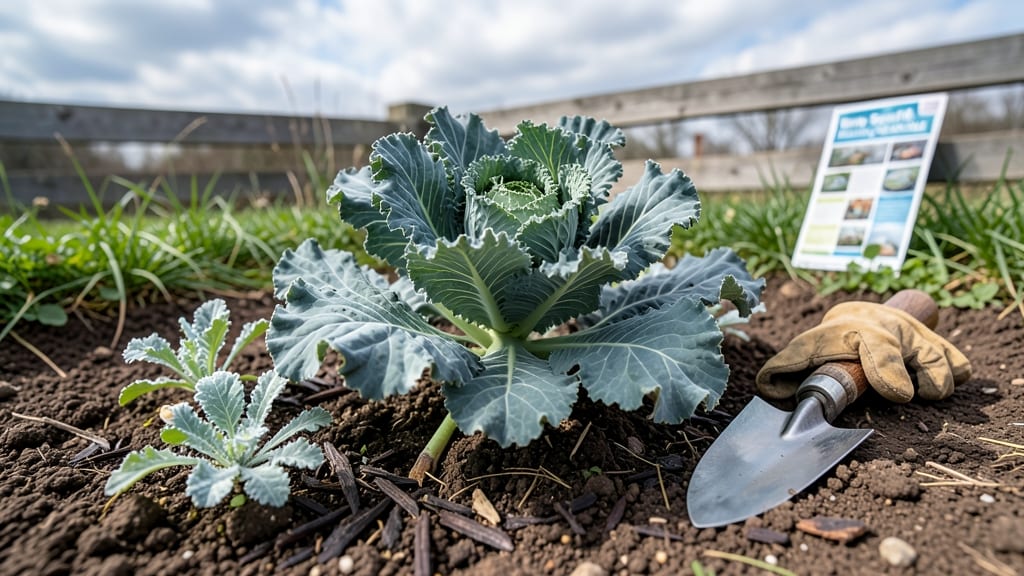
When to plant brassicas in Michigan means the difference between a thriving garden and a sad, frost-nipped disappointment. Whether you're growing broccoli, cabbage, or kale, planting too early risks losing seedlings to late frosts, while waiting too long can leave you with bolting plants by summer's end.
Michigan's USDA Zones 5b-6b give you two prime windows: early spring (March-April) and late summer (August-September). But here's the catch - the Upper Peninsula's chill lingers longer than southern Michigan's warmer pockets, so your exact dates depend on where you're planting.
Let me show you how to pinpoint the perfect moment for your location.
You'll discover the most important frost-free dates for each variety, plus how to adjust for Michigan's unpredictable weather. From cold-hardy kale that thrives in cooler temps to heat-sensitive broccoli that needs perfect timing, we'll cover it all. Get ready to transform your garden into a brassica powerhouse.
This isn't just theory - I'll share real strategies that work for Michigan gardeners, whether you're a beginner or a seasoned pro. You'll learn how to read frost probability data, protect young plants, and even extend your growing season for fall harvests.
Let's get those brassicas in the ground at exactly the right time.
Michigan brassica planting calendar by variety and hardiness Zone
Michigan’s USDA Zones 4-6 create unique challenges for growing brassicas like broccoli, cabbage, and kale. The last frost date typically falls between mid-April in southern Michigan and early May in the Upper Peninsula. Understanding these frost-free windows ensures your seedlings thrive without frost damage.
Brassicas fall into two categories: cold-hardy varieties (like kale and Brussels sprouts) that tolerate light frost, and heat-sensitive types (such as broccoli and cauliflower) that bolt in summer’s heat. Planting at the right time maximizes your harvest potential while avoiding common pitfalls like frost damage or premature bolting.
Below is a summary table breaking down the ideal planting windows for both spring and fall harvests, tailored to Michigan’s climate zones. This guide covers direct sowing and transplanting timelines for popular brassicas.
| Variety | USDA Zone | Spring Planting Window | Fall Planting Window | Notes |
|---|---|---|---|---|
| Broccoli | 4-6 | 4-6 weeks before last frost (March-April) | 8-10 weeks before first frost (August-September) | Heat-sensitive; avoid summer planting |
| Cabbage | 4-6 | 4-6 weeks before last frost (March-April) | 8-10 weeks before first frost (August-September) | Cold-tolerant; can handle light frost |
| Kale | 4-6 | Direct sow 2-3 weeks before last frost (February-March) | Sow continuously through summer for fall/winter harvest | Extremely cold-hardy; sweeter after frost |
| Brussels Sprouts | 4-6 | Transplant 4-6 weeks before last frost (March-April) | Transplant 10-12 weeks before first frost (July-August) | Long growing season; needs consistent moisture |
| Cauliflower | 4-6 | 4-6 weeks before last frost (March-April) | 8-10 weeks before first frost (August-September) | Sensitive to heat; avoid summer planting |
For spring planting, start with transplants purchased from local nurseries in early April. If you’re direct sowing, begin seeds indoors 6-8 weeks before the last frost date to give seedlings a head start.
In Zone 4 (Upper Peninsula), aim for late April plantings, while Zone 6 (southern Michigan) allows earlier starts in March.
Fall brassicas are a Michigan gardener’s secret weapon. By planting in late summer (August-September), you can harvest well into October or November before hard frosts arrive. Kale and Brussels sprouts actually sweeten after frost, making them perfect candidates for fall gardens.
For heat-sensitive varieties like broccoli, focus on early August plantings to avoid summer bolting.
Pro tip: Use Michigan State University’s frost probability maps to fine-tune your planting dates. These tools account for regional microclimates, helping you avoid surprises like unexpected late frosts.
For example, Traverse City (Zone 5) may see frost as late as May 15, while Detroit (Zone 6) typically warms up by April 15.
When planning your fall brassicas, remember that Brussels sprouts need a longer growing season (100+ days) compared to broccoli (60-80 days). Start seeds indoors in July for fall transplants, or direct sow in early August for a late harvest. Succession planting every
How to adjust planting dates for Michigan’s unpredictable spring frost
Michigan’s spring frost can throw off even the most careful gardening plans. In Zone 5b-6b, late frosts often hit mid-April, while early frosts may arrive by mid-October.
To protect your brassica seedlings, I adjust planting dates based on Michigan State University’s frost probability data—a free tool every gardener should bookmark.
For spring brassicas, I start seeds indoors 6-8 weeks before the average last frost date. In southern Michigan, that’s around early March, but in northern regions, I wait until mid-March to avoid frost damage. Transplant seedlings outdoors only after soil temps hit 45°F consistently.
🚨 Callout Warning 🚨
For fall brassicas, I plant 8-10 weeks before the first frost. In September, I sow cold-hardy varieties like kale and Brussels sprouts directly into the garden. These varieties thrive in cooler weather and can even sweetened by frost, making them ideal for Michigan’s short season.
I also use succession planting to stretch the harvest window. For example, I’ll plant broccoli in early May and again in late July, ensuring a steady supply. This strategy works especially well for heat-sensitive brassicas like cauliflower, which bolt quickly in 80°F+ temps.
To track frost dates, I rely on the Michigan Weather and Climate portal, which provides 10-year averages for my specific location. For example, in Detroit (Zone 6a), the last frost date is April 15, while in Traverse City (Zone 5b), it’s May 1.
Adjust your timeline accordingly—even a 2-week difference can mean the difference between a thriving crop and a failed harvest.
Pro tip: If you’re unsure about frost dates, err on the side of later planting. Brassicas like cabbage and collards are forgiving and can handle cooler temps better than bolting from heat stress. Plus, mature plants are far more resilient than seedlings.