
Plants
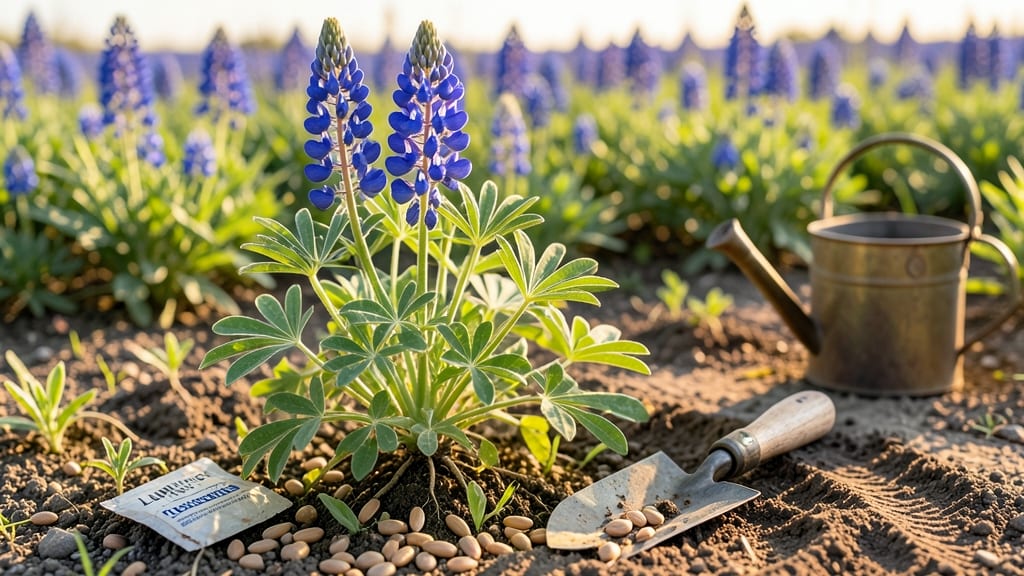
Timing when to plant bluebonnet seeds in Houston is the secret to those breathtaking spring carpets of blue—🌸—that make Texas roads famous. Plant too early, and a late freeze could wipe out your seedlings before they even sprout.
Too late, and you’ll miss the ideal window for winter dormancy that triggers vibrant blooms by March.
Here’s the game-changer: Houston’s unpredictable weather means your planting window isn’t just about months—it’s about soil temperature, microclimates, and even whether you’re in the city’s urban heat island or a cooler suburban zone.
I’ll break down exactly when to scatter those seeds for zero-frost blooms, plus how to prep your soil so every seed gets the best shot at life.
You’ll discover why late September to October is your sweet spot, how to avoid common pitfalls like overwatering in Houston’s humidity, and the simple post-planting care that ensures your bluebonnets thrive through winter. Let’s set you up for a spring spectacle that’ll make your neighbors green with envy.
From coastal breezes to inland heat, we’ll cover how to adjust your approach for Houston’s unique growing conditions. Whether you’re a seasoned gardener or a first-timer, these tips will help you turn your yard into a bluebonnet paradise year after year—without the guesswork.
Optimal bluebonnet planting windows in Houston’s climate zones
Houston’s unique USDA Zone 8b-9a climate creates a narrow but critical window for planting bluebonnet seeds (Lupinus texensis). Unlike northern regions, we don’t need cold stratification—our mild winters do the work naturally. The key is planting after summer’s last heatwave but before December’s unpredictable frosts.
For zero-frost blooms, aim for late September to early October when soil temps drop to 70-75°F—ideal for germination without risking early freezes.
Houston’s microclimates complicate timing. Urban areas like Downtown stay warmer due to the heat island effect, while suburban zones near Addicks Reservoir experience cooler nights. Coastal areas (e.g., Galveston Road) may need a 2-week earlier planting window due to humidity delays.
Always check the National Weather Service’s Houston frost forecast—a 28°F night can kill seedlings overnight.
Here’s how to adjust your timing based on Houston’s three key zones: 1. Urban Heat Islands (Downtown, Midtown): Plant October 1-15—soil stays warmer longer.
- Suburban Areas (Katy, The Woodlands): September 20-October 5—balanced risk of early frost.
- Coastal/High Humidity (Pearland, Sugar Land): September 15-30—humidity slows germination.
🌡️ Houston Planting Windows by Zone
| Zone Type | Ideal Planting Window | Soil Temp Goal | Frost Risk |
|---|---|---|---|
| Urban Heat Island | October 1–15 | 70–75°F | Low (heat delays frost) |
| Suburban (8b) | September 20–October 5 | 65–70°F | Moderate (Dec 10 avg) |
| Coastal/Humid | September 15–30 | 60–65°F | High (humidity + frost) |
🌱 Pro Tip: Use a soil thermometer ($10 at Home Depot) to confirm temps—bluebonnets won’t germinate below 60°F.
For maximum blooms, align planting with Houston’s rainy season. Seeds need consistent moisture but hate soggy soil. Aim to plant 2–4 weeks before the first steady rain after summer droughts—typically mid-September.
If we get a dry October, supplement with drip irrigation to keep soil evenly moist (not soaked) for 30 days post-planting.
Avoid these timing traps:
- Planting in August: Soil is too hot (>85°F), seeds dry out before germinating.
- Waiting until November: Risk frost damage to tender seedlings (even Houston gets 28°F nights).
- Skipping soil prep: Houston’s clay-heavy soil needs amendment or seeds won’t sprout.
Local Pro Hack: Scatter seeds alongside native grasses (like buffalograss) to mimic Texas wildflower meadows. The grasses stabilize seeds and reduce erosion during Houston’s sudden rainstorms. For large areas, use a seed spreader (rent at Home Depot for $50/day) to ensure even coverage—bluebonnets self-seed aggressively once established.
Post-Planting
Step-by-step fall prep: soil, seed depth, and post-planting care
Houston’s clay-heavy soil and humid summers demand special prep before planting bluebonnet seeds. Start by testing your soil’s drainage—bluebonnets hate soggy roots. Amend with compost or coarse sand to break up compaction, especially in urban areas where heat islands bake the ground.
Aim for a pH of 6.0-7.0; Houston’s alkaline soil often needs sulfur amendments.
Once your soil’s ready, scatter seeds directly—no need for transplanting. Plant ¼-inch deep in well-drained beds after September 15th to avoid late-summer heat stress. Use a light mulch layer (like straw) to retain moisture without smothering seedlings. This step is critical in Houston’s unpredictable freeze zones.
🌱 30-Day Bluebonnet Care Timeline
- 📅 Week 1: Plant seeds ¼-inch deep in full sun; water lightly daily.
- 💧 Week 2-3: Reduce watering to bi-weekly (1 inch deep); avoid wetting foliage.
- 🌡️ Week 4: Monitor frost alerts (use row covers if temps drop below 32°F).
- 🌿 Week 5-6: Thin seedlings to 6 inches apart; fertilize lightly with 5-10-10 (1 tbsp/10 sqft).
- ✅ Month 2+: Shift to deep watering every 10-14 days; enjoy drought tolerance!
After planting, water deeply but infrequently—bluebonnets mimic Texas’ winter rains. Use a drip irrigation system or soaker hose to deliver 1 inch of water every 7-10 days once established. Houston’s humidity means morning watering is key to prevent fungal diseases like powdery mildew.
Protect young seedlings from late-winter freezes without plastic tunnels. Instead, use lightweight row covers or straw mulch to insulate roots. Check the National Weather Service for frost advisories—Houston’s Zone 9a can still see 28°F dips in January.
A light feed of 5-10-10 fertilizer in early October boosts root growth before dormancy.
By November 1st, your bluebonnets should be dormant but alive in the soil. Resist the urge to fertilize in spring—bluebonnets bloom best with minimal nitrogen. Instead, focus on watering deeply after winter rains trigger germination. Patience pays off: March-April brings those iconic blue blooms!
Remember, Houston’s microclimates vary. Coastal areas near Galveston Bay stay warmer, while inland Katy can get colder. Adjust your planting date 1-2 weeks later if you’re in a cooler pocket. The goal? Zero frost damage and maximum spring color. 🌸