
Plants
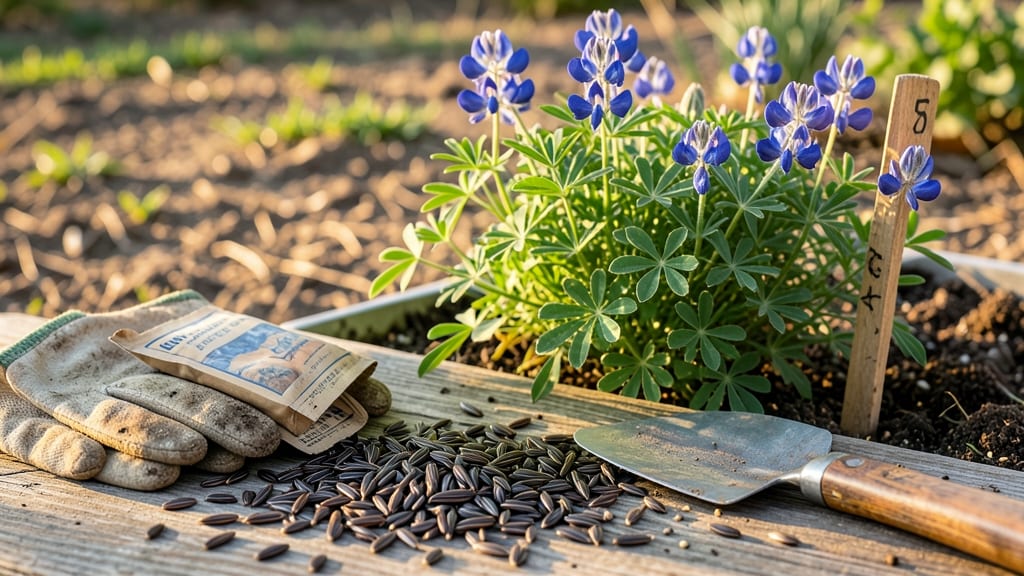
Planting bluebonnet seeds at the wrong time in Central Texas could mean missing out on the breathtaking spring displays that make this region famous. The ideal window—late September through October—aligns perfectly with the area's unique climate, where cooler temps and natural rainfall create perfect conditions for germination.
Why does timing matter so much? Bluebonnets 🌸 thrive when planted after the first frost, which typically hits Central Texas around mid-November. This fall strategy ensures seeds get the cold stratification they need to break dormancy and sprout vibrant blooms by March.
But here's the catch: planting too early or late can leave you with sparse, uneven growth—or worse, no flowers at all.
I've seen firsthand how a few weeks' difference can transform a patchy lawn into a sea of blue. The key is understanding your specific microclimate, whether you're in Austin's 8a zone or Waco's 8b, and adjusting for rainfall patterns.
Let me walk you through exactly how to time your planting for maximum impact.
From soil prep to post-planting care, we'll cover everything you need to know to ensure your bluebonnets emerge strong and healthy. Whether you're a first-time gardener or a seasoned pro, these insights will help you avoid common mistakes and create the stunning displays Central Texas is known for.
Best months to plant bluebonnet seeds in Central Texas for spring blooms
For vibrant bluebonnet blooms in Central Texas, timing is everything. The ideal window for planting bluebonnet seeds is late September through October, when soil temperatures drop to 60-70°F.
This aligns perfectly with Central Texas's USDA Zones 8a-9a, where cool fall nights trigger natural seed stratification, ensuring strong germination.
Bluebonnets are perennial wildflowers that thrive when sown in fall, but they can also handle early spring planting (February) if conditions are right. However, fall planting yields fuller blooms because seeds experience natural cold treatment over winter, breaking dormancy just as spring warmth arrives.
Central Texas's microclimates create slight variations. In Austin, aim for mid-to-late September planting, while Waco and San Antonio can extend planting until early November. The key is planting 6-8 weeks before the first frost (typically mid-November), allowing seeds time to germinate before winter dormancy.
🌱Pro Tip: Scatter seeds directly on soil—no need for tilling. Bluebonnets prefer well-drained, slightly rocky soil, just like their native Texas prairie habitat.
| Planting Window | Soil Temp (°F) | Germination Time | Bloom Time |
|---|---|---|---|
| Late September - October | 60-70°F | 4-6 weeks | March-May |
| Early November (North TX) | 50-60°F | 6-8 weeks | April-May |
| February (Spring) | 65-75°F | 3-5 weeks | May-June |
🌿 Note: Spring planting may yield fewer blooms but works for late-season color.
If you miss the fall window, don’t panic—bluebonnets are hardy annuals that can still germinate in early spring. Plant in February for summer blooms, though yields will be 20-30% smaller than fall-planted seeds. The trade-off? You’ll avoid winter die-off from heavy rains or freezing.
Central Texas’s variable rainfall also plays a role. Plant seeds after the first hard frost (usually mid-November) to prevent soil erosion from winter storms. If you’re in a drier area like Llano or Fredericksburg, water lightly after planting to help seeds settle into the soil.
💡 Local Insight: In San Antonio, where summers are hotter and drier, aim for late September planting to give seeds time to establish before scorching summer heat. In Wacoearly November.
Avoid planting too early (before September)—seeds may sprout prematurely and rot in summer heat. Conversely, planting after November risks seeds not germinating before winter dormancy, leaving you with bare patches come spring.
For maximum impact, combine bluebonnet seeds with native grasses like buffalo grass or blue grama. This mimics their natural prairie ecosystem, reducing competition and ensuring longer-lasting blooms. Just scatter seeds lightly—bluebonnets self-sow aggressively!
🌸 Final Tip: Mark your calendar for next year’s planting by noting when your current bluebonnets bloom. If flowers appear in April, your seeds likely germinated in late fall. Adjust your timing 1-2 weeks earlier for even earlier blooms!
Best months to plant bluebonnet seeds in Central Texas for spring blooms
Central Texas gardeners know the bluebonnet is the state flower for a reason—its vibrant blue blooms create breathtaking spring landscapes. But planting at the wrong time can leave you with sparse or weak growth.
The key is understanding Central Texas' unique climate, where fall planting is ideal for spring blooms.
For maximum success, aim to plant bluebonnet seeds between late September and October. This window ensures seeds experience natural stratification during winter, which mimics their native conditions. Cooler soil temperatures and fall rains help seeds germinate just as spring arrives.
Here’s why timing matters: Seeds planted too early (like August) may germinate before winter, only to die in freezing temperatures. Planting too late (after November) risks seeds not establishing roots before dormancy sets in.
| Planting Window | Soil Temperature | Germination Time | Bloom Time |
|---|---|---|---|
| Late September - October | 50-65°F | Spring (March-April) | March-May |
| August (early) | 70-80°F | Fall (risk of frost kill) | Minimal or none |
| November (late) | 40-50°F | Delayed until late spring | Weak or patchy |
Central Texas’ microclimates can shift planting windows slightly. In Austin, for example, October 1-15 is prime time, while Waco gardeners might push to mid-October due to slightly cooler nights. San Antonio’s warmer winters allow for early October planting without risk.
Pro tip: Check your last frost date (typically February 15 in Central Texas) and plant 6-8 weeks before. This ensures seeds have time to establish roots before spring growth begins. For large fields, scatter seeds thinly—bluebonnets self-seed easily, so over-planting leads to crowded, leggy plants.
Once planted, minimal care is needed. Bluebonnets are drought-tolerant and thrive in poor soil, making them perfect for low-maintenance gardens. Just ensure your planting area gets full sun (6+ hours daily) for the best spring display.