
Plants
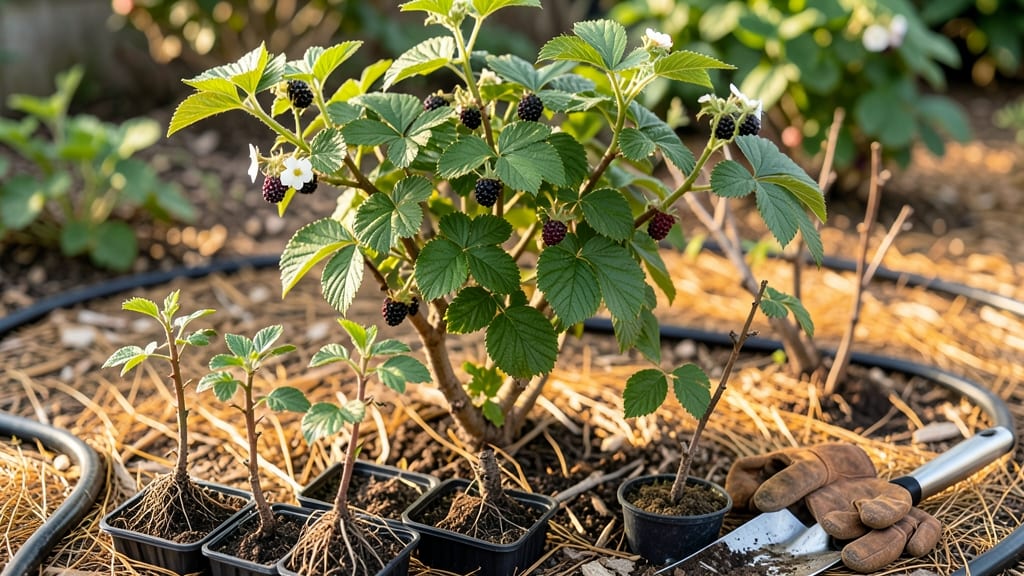
Timing your blackberry planting in Florida isn't just about throwing seeds into the dirt—it's about unlocking stronger canes and bigger harvests by matching varieties to their chill-hour needs.
With 365 frost-free days, Florida's warm climate demands a different approach than northern gardens, and getting it wrong means weak growth or no fruit at all.
Most gardeners assume you can plant blackberries 🫐 anytime in Florida, but the truth is that chill-hour requirements (those cold hours needed to trigger fruiting) vary wildly between varieties.
Low-chill types like 'Arapaho' thrive when planted in late winter, while medium-chill 'Natchez' needs that perfect window between February and March to avoid flopping in the heat.
Here's the game-changer: I'll break down exactly when to plant each variety—plus soil prep secrets and microclimate tweaks—to ensure your blackberries grow vigorous canes that produce fruit from April through September. No more guesswork, just Florida-proven results.
Whether you're a first-time grower or a seasoned gardener, these insights will help you skip common mistakes and get straight to harvesting those juicy berries. Let's dive into the perfect planting schedule for your Florida blackberry patch.
Florida blackberry planting timeline by chill-hour needs
Florida’s frost-free climate means you can plant blackberries year-round, but timing is everything to ensure strong canes and heavy yields. Unlike northern climates, Florida’s warm winters and high humidity demand careful attention to chill-hour requirements—the number of hours below 45°F needed to break dormancy.
Low-chill varieties thrive here, but even they need strategic planting to avoid heat stress during fruiting.
Most Florida gardeners plant blackberries in late winter or early spring (January–March) to align with natural rainfall patterns and cooler soil temperatures. This window gives plants time to establish roots before summer’s intense heat. However, fall planting (September–November) works too, especially for varieties needing minimal chill hours.
Soil temperature is critical—ideal planting conditions occur when soil temps stay above 60°F but below 85°F. In Florida’s heat, planting in early morning or late afternoon reduces transplant shock. Always check local frost-free dates (though Florida rarely sees frost, microclimates near lakes or coasts can vary).
🌱
| Chill-Hour Range | Best Planting Window | Soil Temp Requirement | Florida Microclimate Notes |
|---|---|---|---|
| 0–300 hrs | Year-round (best: Jan–March) | 60–75°F | Thrive in South Florida’s heat; avoid inland summer planting. |
| 300–500 hrs | Late winter (Feb–March) | 65–70°F | Ideal for Central Florida; plant after last spring rains. |
| 500+ hrs | Fall (Sept–Nov) or early spring | 60–75°F | Risky in North Florida; use trellises to improve airflow. |
For low-chill varieties (0–300 hrs), like 'Arapaho' or 'Natchez', Florida’s climate is nearly perfect. Plant these in January–February to capitalize on spring rains and avoid summer’s oppressive heat. These varieties fruit best when established before temperatures exceed 85°F, so early planting is key.
Medium-chill varieties (300–500 hrs), such as 'Ouachita', need slightly more precision. Aim for February–March planting to ensure they receive enough cool nights to set buds without suffering from Florida’s sudden heat spikes. Monitor local weather forecasts for unseasonable warmth, which can stress young plants.
High-chill varieties (500+ hrs) are possible in Florida but require fall planting (September–November) to accumulate chill hours gradually. These are riskier in South Florida but work well in North Florida’s cooler microclimates. Always pair these with drip irrigation to prevent root rot during humid summers.
Regional adjustments matter: Coastal areas like Miami or Tampa can plant year-round, while inland cities like Gainesville or Tallahassee benefit from fall planting to avoid summer’s intense heat. Test soil pH (5.5–6.5) and amend with compost before planting—Florida’s sandy soils drain too quickly without organic matter.
🌿
Pro tip: Use black plastic mulch in summer to keep soil temps stable and reduce weed competition. This simple trick can boost survival rates by 30% in Florida’s brutal heat. Pair it with a trellis system to improve airflow and reduce fungal diseases like anthracnose, which thrives in Florida’s humidity.
Florida blackberry planting timeline by chill-hour needs
Florida’s frost-free climate means you can plant blackberries year-round, but timing matters for strong canes and fruit production. Unlike northern states, Florida’s warm winters and high humidity demand varieties with low chill-hour requirements (0-500 hours).
Planting at the wrong time can lead to weak growth or poor fruiting, so let’s break it down by variety needs.
Most Florida gardeners plant blackberries in late winter or early spring (January–March) to avoid summer heat stress. However, low-chill varieties (like ‘Arapaho’) can handle planting in fall or early winter, while medium-chill types (like ‘Natchez’) thrive with spring planting.
Soil temperatures should ideally be 60°F or above for best root establishment.
Here’s your Florida blackberry planting timeline by chill-hour category, including soil prep tips and microclimate adjustments:
For low-chill varieties, I recommend planting in January or February to give roots time to establish before summer’s heat. If you’re in North Florida (cooler microclimates like Gainesville), you can extend planting into March.
Meanwhile, South Florida gardeners (Miami, Naples) should stick to winter planting to avoid summer stress.
Pro tip: Test your soil’s pH (5.5–6.5) and amend with compost or peat moss before planting. Blackberries hate soggy roots, so ensure your site has well-draining soil and a trellis system to support vigorous canes. Without proper drainage, you’ll face root rot and stunted growth.
Once planted, keep soil consistently moist (not soggy) for the first 6–8 weeks to encourage root development. After that, reduce watering slightly to every 3–5 days, focusing on deep soaks in the morning to prevent fungal issues.
Florida’s humidity is your biggest challenge—mulch heavily to retain moisture and suppress weeds.
Timing your blackberry planting right in Florida isn’t just about the calendar—it’s about matching varieties to your local microclimate and preparing the soil for success. With the right approach, you’ll enjoy juicy, homegrown berries from April through September. 🫐