
Plants
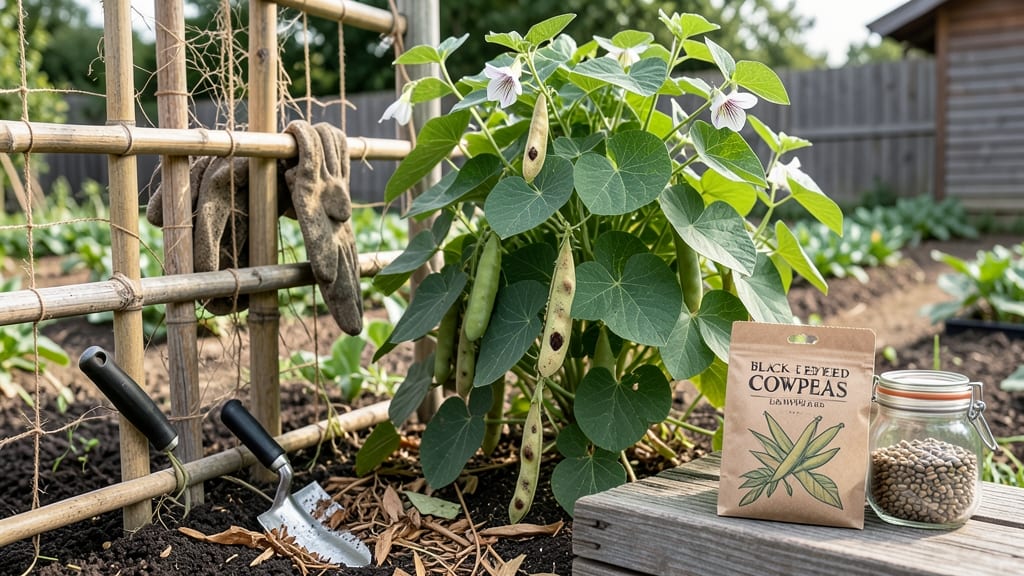
Planting black-eyed peas in Texas isn’t just about timing—it’s about outsmarting the heat and avoiding those bitter, tough pods that ruin your harvest. With Texas’ 8a-10b zones stretching from frost-prone North Texas to balmy South Texas, the wrong window can mean wasted effort.
But get it right, and you’ll enjoy tender, sweet peas from May to June (spring) or November to December (fall).
The key? Start planting late February to early March for spring or September to early October for fall—just before the heat or frost kicks in. Skip summer planting unless you’re in the southernmost regions, where the relentless sun will send your plants bolting faster than you can say “Hatch chili.”
I’ve grown black-eyed peas across Texas’ diverse climates, and the difference between a thriving patch and a failed experiment comes down to soil warmth, moisture balance, and knowing when to hold back.
Too early in North Texas? Frost will nip your seedlings. Too late in South Texas? The heat will turn your pods into woody sticks.
Ready to master the perfect planting window for your Texas heat zone? Let’s break down the exact months, soil prep secrets, and even how to stretch your harvest with smart succession planting—so you’re eating fresh peas for months, not minutes.
Texas heat Zone planting calendar for black eyed peas
Texas’ diverse climate—from North Texas’ chilly winters to South Texas’ year-round warmth—means black-eyed peas (🌱 Vigna unguiculata) thrive in two distinct seasons. Spring and fall plantings yield the sweetest pods, while summer heat can cause bitter pods or bolting.
The key? Matching your USDA heat zone (8a-10b) to the right planting window.
In North Texas (Zones 8a-8b), where frost lingers until February 15, aim for spring plantings after March 1 or fall plantings by September 15.
South Texas gardeners (Zones 9a-10b) enjoy a longer season—plant February 15-March 15 for spring or September-October for fall harvests before first frost (November 15).
Soil temperature is critical: seeds need 60°F+ soil to germinate. Use a soil thermometer to confirm readiness—cold soil delays sprouting, while scorching heat (above 90°F) stresses young plants. Morning planting minimizes heat shock, especially in South Texas.
Here’s your Texas-specific planting timeline, broken down by zone and season:
| Zone | Spring Planting | Fall Planting | Soil Temp | Harvest Window |
|---|---|---|---|---|
| 8a-8b (North TX) | March 1 - April 15 | September 15 - October 15 | 60°F+ | May - June / Nov - Dec |
| 9a-9b (Central TX) | February 15 - March 30 | September 1 - October 10 | 65°F+ | April - May / Oct - Nov |
| 10a-10b (South TX) | February 1 - March 15 | September 15 - October 30 | 70°F+ | March - April / Sept - Oct |
Pro tip: Succession plant every 2-3 weeks in spring/fall to extend harvests. For example, in Zone 9a, plant February 15, March 1, and March 15 for staggered pods. This works especially well in South Texas, where mild winters allow year-round growth with row covers.
Texas’ summer heat (June-August) is a no-go for black-eyed peas—they bolt (flower prematurely) or develop woody pods.
Instead, use this time to prepare beds: amend soil with compost, mulch to retain moisture, and plant shade-tolerant companions like okra or sweet potatoes to improve soil health for fall plantings.
Watch for local weather patterns: North Texas’ unpredictable spring frosts (even after March 15) can damage young plants, while South Texas’ humidity spikes in September may encourage fungal diseases. Adjust planting dates 1-2 weeks later if forecasts show cooler-than-average conditions.
For container growers, black-eyed peas thrive in 5-gallon pots with well-draining soil. Plant 1-2 weeks earlier than in-ground dates—containers warm up faster in spring and cool down quicker in fall. Just ensure pots get 6+ hours of sun daily, even in shadier North Texas yards.
Remember: Texas’ long growing season is your advantage. With the right timing, you can enjoy fresh pods from spring through fall, avoiding the bitter, fibrous peas that result from off-season planting.
Start with your zone’s ideal window, then fine-tune based on soil warmth and weather—your taste buds (and dinner plate) will thank you!
Texas heat Zone planting calendar for black eyed peas
Texas’ diverse climate means black-eyed peas can thrive year-round—but timing is everything. North Texas gardeners face earlier frosts (Zone 8a), while South Texas growers enjoy longer frost-free seasons (Zone 10b). Planting too early in cool zones risks frost damage, while late planting in hot zones causes bolting.
Use this calendar to align your planting with Texas’ heat zones and soil temperatures for peak growth.
For spring plantings, aim for late February to early March in North Texas (Zones 8a-8b) and January to early February in South Texas (Zones 9b-10b). Soil should reach 60°F+ at 2 inches deep—test with a soil thermometer or wait until 2 weeks after last frost.
In fall, plant September to early October to harvest before first frost (typically December 1 in North Texas and November 15 in South Texas).
| Texas Heat Zone | Spring Planting Window | Fall Planting Window | Soil Temp Requirement | Key Notes |
|---|---|---|---|---|
| 8a (North Texas) | Late Feb - Early Mar | Sep 15 - Oct 1 | 60°F+ | Avoid planting before Feb 15—frost risk! |
| 9a (Central Texas) | Early Feb - Mid Mar | Sep 1 - Sep 30 | 65°F+ | Use row covers for early fall plantings. |
| 10a/10b (South Texas) | Jan - Early Feb | Aug 15 - Sep 15 | 70°F+ | Can plant year-round with shade cloth in summer. |
Texas’ humidity spikes in summer can stress black-eyed peas, so avoid planting between May and August unless you provide afternoon shade. In Zone 10b, you can even try winter plantings (December) for early spring harvests.
Always choose drought-tolerant varieties like ‘Purple Hull’ or ‘Texas Cream’ for better heat resilience.
Pro tip: Use a planting calendar app like Texas A&M AgriLife to track local frost dates and adjust your schedule. For example, Dallas (Zone 8a) has a 210-day frost-free season, while Houston (Zone 9a) enjoys 270 days. Plan your succession plantings accordingly to maximize yields.
If you’re in East Texas (higher humidity), opt for well-draining soil to prevent root rot. In West Texas, focus on water retention with mulch to combat dry spells. Both regions benefit from companion planting with okra or sweet potatoes to improve soil health.
🌱