
Plants
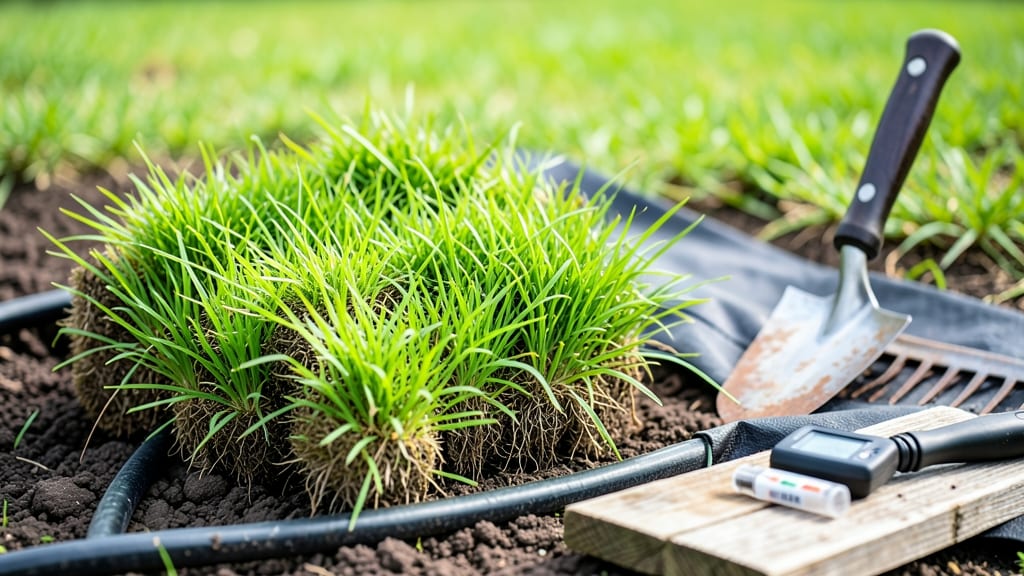
Timing your Bermuda grass planting in Georgia isn't just about the calendar—it's about catching that sweet spot when the earth warms up just right.
Plant too early, and you'll risk stunted growth from lingering cool spells; too late, and the summer heat can stress young plants before they even take root.
Georgia's 7b-8b climate gives you two prime windows: early spring (March-April) when soil temperatures hit 65°F or later in summer (August) after the worst heat breaks. But here's the catch: coastal areas and inland zones behave differently, so knowing your microclimate makes all the difference.
I've seen firsthand how fast establishment happens when you align planting with these temperature cues. The key is watching for those first warm days when your grass stands a real chance to thrive—not just survive.
Let me show you exactly how to read your soil's signals and avoid the three biggest timing mistakes Georgia gardeners make.
Whether you're seeding or laying sod, getting this right means fewer weeds, deeper roots, and a lawn that stays green through Georgia's brutal summers. Ready to turn your patchy grass into a lush carpet? Let's get started.
Georgia’s Bermuda grass planting windows: when soil and air temperatures align
Bermuda grass thrives in Georgia’s heat, but timing your planting is everything. The critical window opens when soil temperatures hit 65°F or higher—typically late April to early May for most of the state.
This warm-season grass won’t germinate in cooler soil, so rushing too early means wasted seeds or stunted growth.
Air temperatures also matter: aim for consistent 70°F+ days to avoid heat stress after planting. Coastal areas like Savannah may see earlier windows (March-April), while inland cities like Athens might wait until May. Always check soil thermometers—they’re your best friend for precision.
A second planting window exists in late summer (August), when summer’s brutal heat starts easing. This is ideal for sod installation, as established sod handles heat better than fragile seedlings. Just avoid planting after September 1st, as cooler nights slow root growth.
| Planting Window | Soil Temp Requirement | Air Temp Requirement | Best Method |
|---|---|---|---|
| Late April - Early May | ≥65°F | 70°F+ consistently | Seeding or sod |
| August (late summer) | ≥70°F | 80°F+ during day | Sod preferred |
| Avoid after September 1st | N/A | Cooler nights slow growth | Not recommended |
Georgia’s microclimates create regional variations. In the coastal plain (USDA Zone 8a), you can plant as early as March if soil warms quickly. Meanwhile, the mountains (Zone 7a) may need to wait until mid-May.
Use the USDA Plant Hardiness Map to pinpoint your zone, then adjust by 2-4 weeks based on elevation.
For seeding, aim for 30-45 days before peak summer heat. This gives seedlings time to establish roots before Georgia’s 90°F+ afternoons arrive. If you’re installing sod, late August is perfect—roots will spread aggressively as days shorten in September.
Pro tip: Test soil moisture before planting. Bermuda grass hates soggy conditions, but dry soil can delay germination. Aim for soil that’s moist but not waterlogged—think of a wrung-out sponge. Use a simple soil moisture meter ($10 at garden centers) to check.
Watch for false starts in spring. A 70°F day followed by a 50°F night can shock seedlings. Plant only when nighttime temps stay above 60°F consistently. This usually means waiting until after Mother’s Day in most of Georgia.
Finally, avoid fall planting. While some grasses thrive in autumn, Bermuda grass goes dormant by October. Any new growth won’t have time to root before winter, leaving it vulnerable to freeze damage or fungal diseases like brown patch.
Timing isn’t just about months—it’s about temperature consistency. Use a minimum thermometer to track nighttime lows, and you’ll nail the perfect window every time. 🌱
Georgia’s Bermuda grass planting windows: when soil and air temperatures align
Georgia’s 7b-8b climate creates two distinct windows for planting Bermuda grass, but timing isn’t just about months—it’s about soil temperatures reaching 65°F and air temperatures hitting 70°F. These thresholds signal your grass is ready to germinate or establish from sod without stress.
Coastal areas like Savannah may hit these marks 1-2 weeks earlier than inland zones like Athens, so local weather stations are your best friend.
For spring planting, aim for March-April when daytime highs consistently stay above 75°F. This gives seedlings enough warmth to bypass Georgia’s notorious late-spring cold snaps.
The alternative is late summer (August), after the brutal July heat subsides—just don’t wait past mid-August or you’ll risk fall frost catching young grass off guard.
Here’s how to check readiness: Bury a soil thermometer 2 inches deep in full sun. If it reads 65°F+ for 3+ days, your grass is ready. Pair this with air temps above 70°F at night to ensure no overnight chilling.
Pro tip: Use a minimum-maximum thermometer to track overnight lows—this is critical in Georgia’s humid climate where evening temps can drop unexpectedly.
| Planting Window | Soil Temp Requirement | Air Temp Requirement | Georgia Region Notes |
|---|---|---|---|
| Early Spring (March-April) | ≥65°F | Day: ≥75°F, Night: ≥60°F | Coastal: 2-3 weeks earlier; Inland: Wait for consistent warmth |
| Late Summer (August) | ≥65°F | Day: ≥80°F, Night: ≥65°F | Avoid after Aug 15; Humidity spikes can delay establishment |
| Avoid | Below 60°F | Night temps <55°F | Seeds/sod risk dormancy; Weeds take over faster |
Georgia’s humidity adds another layer—high moisture can make soil feel warmer than it is. To compensate, plant when the dew point is above 65°F for 5+ days straight. This ensures your grass isn’t fighting both heat stress and fungal risks.
I’ve seen slow germination in Augusta when planters ignored this rule, leading to patchy lawns by summer.
Don’t overlook microclimates either. South-facing slopes warm up 3-5°F faster than shaded areas, so adjust your timing accordingly. For example, if your yard has partial shade, push planting back 10-14 days to account for cooler spots.
Use a sun/moon calendar to align planting with a waxing moon for slightly better root development—though this is more folklore than science.
Finally, test your soil’s moisture-holding capacity before planting. Georgia’s clay-heavy soils can suffocate roots if overwatered during heatwaves. Aim for well-draining but consistently moist conditions—think of it as giving your grass a drinking straw to the water table. This is especially critical in Zone 8a where summer droughts are brutal.