
Plants
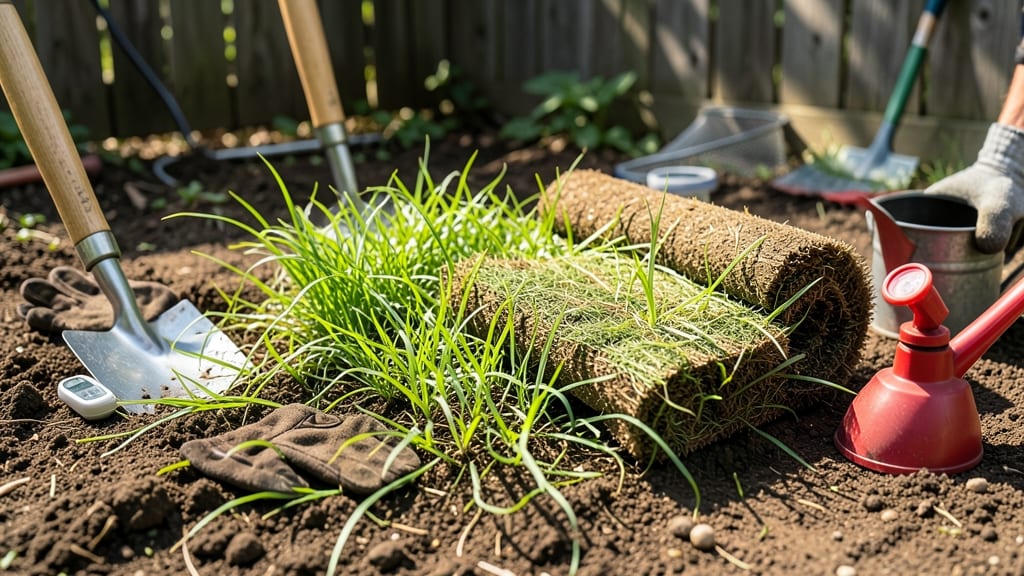
Timing your Bermuda grass planting in California can make or break your lawn’s success—get it right, and you’ll have a fast, drought-resistant yard within months. This warm-season grass thrives when soil temperatures hit 65°F or higher, but coastal areas, inland valleys, and desert regions all have different sweet spots.
If you’re in coastal zones like San Diego or Santa Barbara, aim for early fall (August–September) to avoid summer heat stress, while inland valleys (think Sacramento or Fresno) do best with spring planting (March–May). Desert areas like Palm Springs? Wait until late spring to dodge extreme temperatures.
Why does this matter? Planting at the wrong time means slower growth, weaker roots, and a lawn that struggles to handle California’s droughts or heatwaves.
I’ll break down the best months by region, soil prep tips, and how to choose between seed or sod for a best chance at a lush, low-maintenance lawn.
Ready to skip the guesswork? Let’s dive into the exact planting windows—and what to do after you drop that first seed or sod—to keep your 🌱 Bermuda grass thriving year-round.
Best planting months for Bermuda grass in California by climate zone
California’s diverse climate means Bermuda grass planting times vary dramatically—from coastal fog to desert heat. I’ve broken down the ideal windows for three key regions to ensure your lawn establishes quickly and thrives.
The golden rule? Plant when soil temps hit 65°F+ consistently, and avoid extreme heat or frost risks.
Coastal areas (like San Francisco or Santa Barbara) have milder winters and cooler summers, while the Central Valley (Sacramento, Fresno) and Desert (Palm Springs, Riverside) demand precise timing. Let’s dive into the best months for each zone and why they matter.
🌱 Pro Tip: Bermuda grass is a warm-season grass—it goes dormant in winter. Planting in spring or early fall lets it establish roots before summer heat or winter chill stress it out.
| Climate Zone | Best Planting Window | Soil Temp Threshold | Key Considerations |
|---|---|---|---|
| Coastal (e.g., San Diego, Monterey) | March–April or September–October | 65°F+ (soil) | Cooler summers; avoid late spring (fog risk). Early fall lets grass establish before winter rains. |
| Central Valley (e.g., Sacramento, Bakersfield) | April–May or August–September | 70°F+ (soil) | Hot summers; plant early spring to beat heat stress. Fall planting avoids winter dormancy issues. |
| Desert (e.g., Palm Springs, Joshua Tree) | August–September (fall only) | 75°F+ (soil) | Extreme heat; spring planting risks scorch. Fall lets grass root before winter chill. |
For coastal California, I recommend September–October as the sweet spot. The ocean breeze keeps temps moderate, and you avoid the June Gloom (coastal fog) that can slow germination.
Inland areas like the Central Valley should aim for April–May to escape the brutal summer heat—think 100°F+ soil temps that can kill new seedlings.
If you’re in the Desert, forget spring planting—those 110°F+ afternoons will fry your grass before it takes root. Instead, plant in late August when temps start dropping, giving your lawn a 3-month head start before winter dormancy.
⚠️ Watch Out: Planting too early (e.g., February in the Valley) can leave your grass vulnerable to late frost or winter dormancy. Too late (e.g., October in the Desert) risks root stress before cold weather sets in.
Microclimates matter too! A south-facing slope in Los Angeles might be 10°F warmer than a north-facing yard in San Francisco. Use a soil thermometer ($10 at garden centers) to confirm temps before planting. Aim for 65°F+ for seeds or 70°F+ for sod.
One more tip: Bermuda grass spreads aggressively via stolons (above-ground runners) and rhizomes (underground roots). For fastest coverage, plant sod in spring or seed in fall. Seeds take 14–21 days to germinate, while sod shows results in 2–4 weeks.
Ready to pick your zone? Coastal? Go for September. Central Valley? April is your month. Desert? August is non-negotiable. Let’s talk soil prep next—because even the best timing won’t save a lawn with poor drainage or rocky soil. 🌱
Best planting months for Bermuda grass in California by climate zone
California’s diverse climate means your Bermuda grass planting timeline should align with your region—whether you’re in coastal fog belts, Central Valley heat, or desert lowlands. The key is planting when soil temperatures stay above 65°F for consistent germination and root growth.
In most of California, this means spring (March–May) or early fall (August–September).
Coastal areas like San Francisco or Santa Barbara enjoy milder winters, so fall planting (September–October) is ideal—avoid late fall to prevent winter dormancy. Inland valleys like Sacramento or Fresno benefit from spring planting (April–May) to escape summer’s extreme heat.
Desert regions (e.g., Palm Springs) should plant in late summer (August) to capitalize on monsoon moisture.
Timing isn’t just about the calendar—it’s about soil temperature. Use a soil thermometer to confirm readings above 65°F before planting. Coastal soils may stay cool longer, while inland areas can heat up quickly in spring. Early fall often offers the sweet spot for most regions, balancing warmth and moisture.
| Region | Best Planting Window | Soil Temp Threshold | Key Consideration |
|---|---|---|---|
| Coastal (e.g., San Diego, Monterey) | September–October | 65–75°F | Avoid winter dormancy; mild temps extend growing season. |
| Central Valley (e.g., Bakersfield, Stockton) | April–May | 70–80°F | Escape summer heat; irrigate heavily during establishment. |
| Desert (e.g., Palm Springs, Yuma) | August (monsoon season) | 75–85°F | Leverage summer rains; reduce watering post-planting. |
Microclimates matter too—south-facing slopes warm up faster than shaded areas. If your yard gets less than 6 hours of sun, Bermuda grass may struggle to establish.
Test a small patch first to gauge sunlight exposure before committing to a full lawn. Early morning sun is ideal for germination, so avoid planting in deep shade.
For sod vs. seed, timing shifts slightly. Sod establishes faster (2–3 weeks) and can handle slightly cooler soils, while seed needs warmer temps (70°F+) for germination. In cooler coastal zones, sod planted in late spring (May) often outperforms seed.
Inland areas may prefer seed in spring for cost savings and better heat adaptation.
Pro tip: Mulch lightly after planting to retain moisture, but avoid thick layers that smother new growth. In desert regions, a 1-inch layer of straw mulch can reduce water needs by up to 30% during establishment.
Monitor soil moisture daily—drought stress in the first 30 days can kill young Bermuda grass before it takes hold.