
Plants
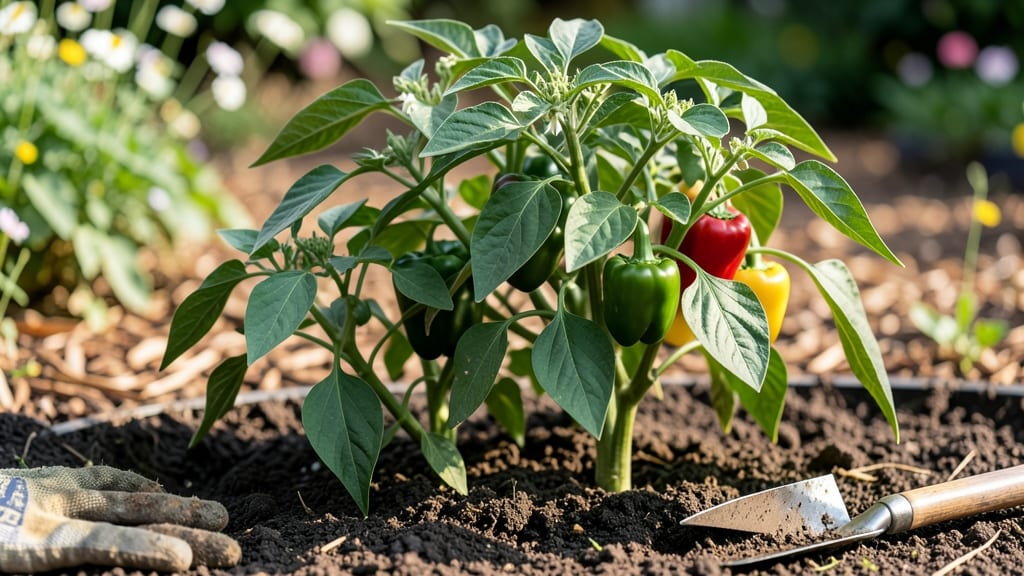
Knowing when to plant bell peppers in Tennessee can mean the difference between a bumper crop and wasted effort. The 🌶️ thrives in warm soil and hates cold snaps—so getting the timing right is your secret weapon for a garden full of sweet, vibrant peppers.
Tennessee’s 6a-7b zones give you a narrow window between April 15 and May 15 to plant after the last frost, but that’s not the whole story. Soil temperature matters just as much as calendar dates—peppers won’t germinate well until the ground warms to at least 60°F.
Whether you’re starting seeds indoors or transplanting seedlings, this guide breaks down the exact steps to sync your planting with Tennessee’s climate. I’ll show you how to adjust for urban heat islands, high-elevation chills, and even extend your growing season with simple tricks.
Skip the guesswork and learn the zone-specific dates that’ll have your bell peppers flourishing from July through October. Let’s get your garden on track for a harvest that’ll make your neighbors jealous.
Tennessee’s best bell pepper planting dates by hardiness zone (5a-7b)
Tennessee’s USDA zones 5a-7b create a 6-week window for planting bell peppers, but timing varies dramatically across regions. In zone 5a (eastern Tennessee), you’ll plant later than zone 7b (Memphis area) due to colder springs. The key? Soil temperature must reach 60°F+—a thermometer check is non-negotiable.
Most Tennessee gardeners start seeds indoors 8-10 weeks before the last frost date (early March in zone 5a, late April in zone 7b).
Transplant seedlings outdoors only after all frost risk has passed—typically mid-April to early May for most of the state. Rushing transplants is the #1 mistake I see in Tennessee gardens.
Black plastic mulch can warm soil by 5-10°F, letting you plant 2-3 weeks earlier in cooler zones. Pair this with row covers for a 30-day head start on the growing season. In zone 7b, you might even squeeze in a fall planting for late-season harvests.
| Zone | Last Frost Date | Start Seeds Indoors | Transplant Outdoors | Harvest Window |
|---|---|---|---|---|
| 5a (Eastern TN) | March 15-April 1 | February 15-March 1 | May 1-15 | July-August |
| 6a (Middle TN) | March 25-April 10 | February 20-March 10 | April 20-May 5 | July-September |
| 7a (West TN) | April 1-April 15 | March 1-March 20 | April 10-April 30 | June-October |
| 7b (Memphis) | April 10-April 20 | March 10-March 25 | April 1-May 1 | June-November |
For zone 5a gardeners, I recommend waiting until May 1 to transplant—earlier plantings often suffer from soil-borne diseases in Tennessee’s damp springs.
In zone 7b, you can push it to April 30 if you use row covers for the first week. Soil thermometers are your best friend here; never guess!
If you’re in a microclimate (like a south-facing slope or urban heat island), you can plant 2 weeks earlier than the zone average. Test your spot by placing a thermometer in the soil for 3 days—if it’s consistently above 60°F, you’re good to go.
Pro tip: Slow-growing varieties (like ‘Carolina Wonder’) need the full 90-day window, so plant them by April 15 in zone 7b. Faster varieties (like ‘Jupiter’) can handle a late May planting for a fall harvest.
Remember: Bell peppers hate cold soil. If your soil temp drops below 55°F, roots stop growing, and seedlings stunt permanently. Use straw mulch to maintain warmth—it’s a game-changer for Tennessee’s unpredictable springs.
For container gardening, start seeds 2 weeks later than in-ground plantings since pots warm up faster. But avoid black containers—they overheat in Tennessee’s summer sun and can cook roots.
Finally, mark your calendar for October 15—that’s when first frost typically hits in zone 5a. In zone 7b, you might get 2 extra weeks of harvest time. Plan accordingly!
How to extend your bell pepper growing season in Tennessee (cold protection & warmth hacks)
Tennessee’s short growing season can be tricky for bell peppers, but with the right tricks, you can push your planting dates earlier or later. Whether you’re in Zone 5a or Zone 7b, these strategies will help you avoid frost damage and maximize your harvest.
Start by understanding your microclimate—urban areas often stay warmer than rural spots, giving you a few extra weeks of growing time.
One of the easiest ways to extend your season is by using row covers or floating row tunnels. These lightweight fabrics trap heat and protect young plants from late spring frosts. For an even bigger boost, try a cold frame or mini greenhouse.
These structures can raise soil temperatures by 10-15°F, allowing you to plant seedlings 2-3 weeks earlier in spring or keep them growing 2-4 weeks later in fall.
Black plastic mulch is another game-changer. Spread it over your planting beds a week before you plan to sow seeds or transplant seedlings. This dark material absorbs sunlight and heats the soil, helping it reach the 60°F minimum bell peppers need to thrive. Pair it with a drip irrigation system to keep the soil consistently moist without wasting water.
🌱 Season-Extending Strategies for Tennessee Bell Peppers
- Row Covers: Use lightweight fabric to protect seedlings from late frosts (up to 4-6°F protection).
- Cold Frames: Extend season by 4-6 weeks on either end by trapping solar heat.
- Black Plastic Mulch: Warms soil 5-10°F faster than bare soil; ideal for early spring planting.
- Drip Irrigation: Maintains consistent moisture without overwatering, reducing stress on plants.
- Windbreaks: Shield plants from cold winds with tall fences or shrubs on the north side.
If you’re in a frost-prone valley or high-elevation area, consider planting near a south-facing wall or sunny slope. These spots receive more sunlight and stay warmer at night. For container gardeners, use heat-retaining pots like fabric grow bags filled with dark-colored soil mix.
These can absorb and retain heat better than traditional containers, giving your peppers a head start.
For late-season protection, harvesting before frost is often the best option. If you have a few peppers that aren’t fully ripe, bring them indoors to ripen on a sunny windowsill. Most varieties will continue maturing if the stems are intact.
Alternatively, use hoop houses or low tunnels to create a mini greenhouse over your plants. These are affordable, easy to assemble, and can keep your peppers producing well into October or even November in warmer microclimates.
Finally, choose fast-maturing varieties like ‘Early California Wonder’ or ‘Carolina Wonder’ for Tennessee’s shorter seasons. These varieties can go from seed to harvest in as few as 60-70 days, giving you a better chance of a full harvest before the first frost.
Pair them with your season-extending strategies, and you’ll be enjoying homegrown bell peppers well into fall! 🌶️