
Plants
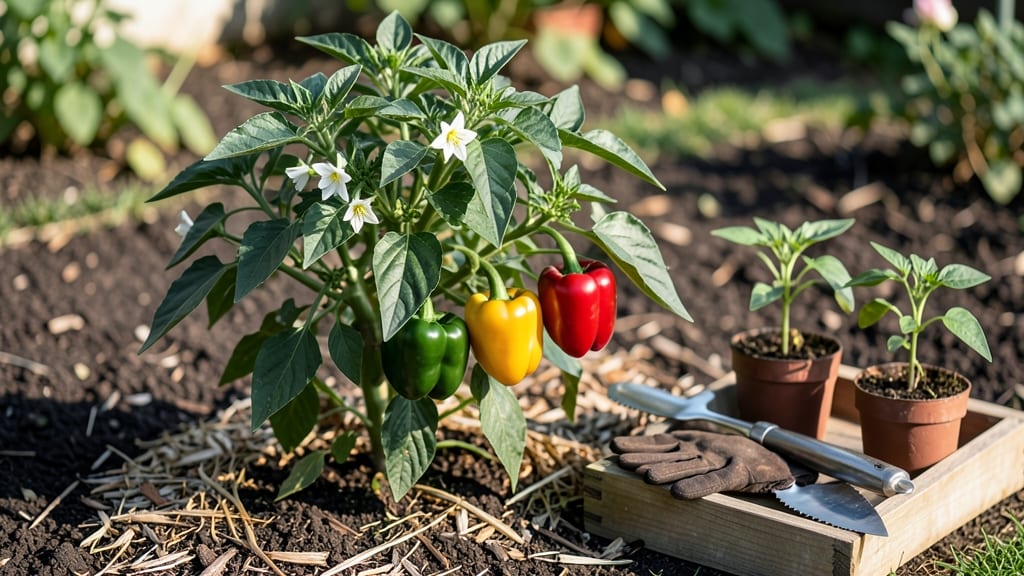
Timing your bell pepper 🌶️ planting in Missouri isn't just about avoiding frost—it's about unlocking a harvest that rivals your favorite grocery store (minus the plastic). Get it wrong, and you're left with sad, stunted plants or peppers that never quite ripen.
But nail those April 15-May 15 windows, and you'll be feasting on crisp, vibrant peppers from July straight through October.
Here's the kicker: Missouri's USDA Zones 5b-6b demand patience—soil needs to hit at least 60°F before you even think about sticking those seedlings in the ground. That means waiting for Mother Nature to warm up, not rushing the process.
I've learned the hard way that cold soil = stressed plants, and stressed plants don't produce like champions.
Whether you're starting seeds indoors or diving straight into direct sowing, the right approach makes all the difference. We'll break down exactly when to plant for your specific corner of Missouri—because St. Louis and rural areas can have wildly different microclimates.
Plus, I'll share my top tricks for extending your growing season so you can squeeze every last pepper out of summer.
Ready to grow peppers that actually thrive? Let's dive into the perfect planting schedule and varieties that perform best in Missouri's short-but-sweet growing season. Your taste buds (and dinner table) will thank you.
Missouri bell pepper planting calendar: exact dates by USDA Zone 5-6
Missouri's USDA Zones 5b-6b offer a short but productive growing season for bell peppers. The key is planting after the last spring frost, typically around April 15-May 15, when soil temperatures reach 60°F+.
In northern Missouri (Zone 5b), aim for late April, while southern areas (Zone 6b) can start as early as mid-April.
Bell peppers are warm-season crops that won’t tolerate frost. Even a light freeze (28°F) can kill seedlings. Use local frost date guides—St. Louis averages its last frost on April 15, while Kansas City sees it around April 20.
Rural areas may experience frost 1-2 weeks later due to cooler microclimates.
Here’s your Missouri bell pepper planting timeline, tailored to both transplants and direct sowing. The table below breaks down exact dates, soil prep, and regional adjustments to maximize your harvest.
| Task | Zone 5b (North MO) | Zone 6b (South MO) | Soil Prep |
|---|---|---|---|
| Start seeds indoors | March 1-15 | February 25-March 10 | Use grow lights, 70-80°F soil |
| Hardening off seedlings | April 1-15 | March 25-April 5 | Acclimate for 7-10 days |
| Transplant outdoors | April 25-May 10 | April 15-25 | Warm soil (60°F+), black plastic mulch |
| Direct sow outdoors | May 10-20 | April 30-May 10 | Wait for soil >65°F, use row covers |
| Last chance to plant | June 1 (short season) | June 10 (early varieties) | Use fast-maturing varieties (<60 days) |
For St. Louis gardeners, aim to transplant by April 25 to avoid late frosts. In Kansas City, push transplants to May 1 for safety.
Rural areas like Sedalia or Kirksville should wait until May 10 due to cooler nights. Always check your local Missouri State Climate Center for updates.
If you’re direct sowing (planting seeds directly in the garden), wait until soil temperatures hit 65°F+. Use a soil thermometer—bell peppers won’t germinate well in cooler soil. In Zone 5b, this usually means mid-May, while Zone 6b can start late April.
Pro tip: Black plastic mulch raises soil temperatures by 5-10°F, letting you plant 1-2 weeks earlier. Lay it down 2 weeks before transplanting to warm the soil faster. Pair this with row covers for an extra 2-3 weeks of frost protection.
Missouri’s first fall frost typically arrives October 15, giving you about 165 frost-free days. Choose short-season varieties (60-70 days to maturity) to maximize harvests before cold weather sets in.
Remember: Slow starts = smaller harvests. If your seedlings look leggy or weak by early May, consider replanting with stronger starts from a local nursery. Timing isn’t just about dates—it’s about giving your peppers the warm, consistent conditions they crave.
How to extend Missouri’s bell pepper growing season for earlier harvests
Missouri’s short growing season (just 165 frost-free days) can feel like a race against time for bell peppers 🌶️. But with the right tricks, you can push your planting window back by 2-4 weeks, giving your peppers more time to mature and produce.
I’ve tested these methods in my own garden, and they’ve made a noticeable difference in yield and ripening success.
One of my favorite strategies is using black plastic mulch. This simple tool warms the soil 5-10°F faster than bare ground, helping you plant 1-2 weeks earlier. Just lay it down 1-2 weeks before your target planting date—it also suppresses weeds and retains moisture.
For extra warmth, pair it with a low tunnel made from PVC pipes and row cover fabric.
Here’s the breakdown of my top methods, including pros and cons so you can choose what works best for your garden and budget:
🌱 Extending Your Bell Pepper Season: Pros & Cons
Pros: Warms soil faster, suppresses weeds, retains moisture
Cons: Requires upfront cost, can overheat soil in summer
Best For: Early planting, weed control
Pros: Protects from late frosts, extends season by 2-4 weeks
Cons: Needs staking, can trap too much heat if not ventilated
Best For: Early spring/fall planting
Pros: Warmer soil, better drainage, earlier planting
Cons: Higher initial cost, dries out faster
Best For: Urban gardens, poor soil areas
Pros: Extends season by 4-6 weeks, reusable
Cons: Labor-intensive, limited space
Best For: Small-scale, high-value crops
If you’re planting in St. Louis or Kansas City, urban heat islands can give you an extra 1-2 weeks of growing time. I’ve noticed my peppers in the city mature 5-7 days faster than those in rural areas.
Use this to your advantage by planting early varieties or starting seeds indoors 6-8 weeks before your last frost date.
For rural Missouri, where nights can still dip into the 40s°F even in June, focus on companion planting. Pairing bell peppers with basil or marigolds not only deters pests but also helps regulate soil temperature.
Plus, the basil’s fragrance can repel spider mites, a common pepper pest in Missouri’s humidity.
Remember, the goal is to balance warmth and protection. Overheating soil or trapping too much moisture can stress your plants. My rule of thumb?
If you’re extending the season by more than 3 weeks, monitor your plants closely for signs of stress—yellowing leaves or stunted growth—and adjust your methods accordingly. With these tricks, you’ll be harvesting sweet, ripe peppers well into October, even in Missouri’s unpredictable climate. 🌿