
Plants
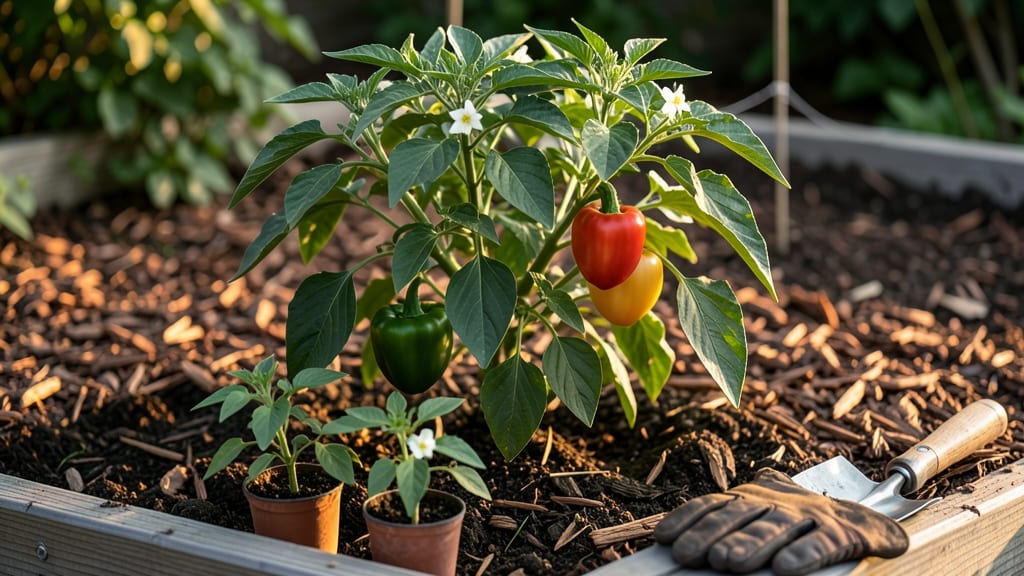
Timing your 🌶️ bell pepper planting in Oregon can mean the difference between a bumper crop and a sad, wilted garden. With frost-free dates varying from March 1 in Medford to March 15 in Portland, getting it right is everything—and these zone-specific tips will help you nail it.
Most gardeners in Oregon’s 7b-9a zones know the struggle: plant too early, and a late frost zaps your seedlings; too late, and you’ll be waiting until fall for peppers that never quite ripen.
The solution? Start indoors by March 15 and transplant after the last frost, when soil hits 60°F—usually between April 15 and June 15.
Whether you’re growing in containers or ground beds, this guide breaks down the best transplanting windows for your region, plus tricks to extend Oregon’s short season.
From black plastic mulch to heat-loving varieties, I’ll show you exactly how to set your 🌶️ bell peppers up for success—no guesswork, just bold harvests.
Ready to skip the trial-and-error? Let’s dive into the frost-free dates, soil temps, and planting hacks that’ll have your peppers thriving from seed to harvest—no matter where you garden in Oregon.
Oregon’s frost-free dates by zone: exact planting windows for bell peppers
Oregon’s diverse climate means your bell pepper planting timeline depends heavily on your USDA zone. The Willamette Valley (Zone 7b-8a) has later frosts than Southern Oregon (Zone 8b-9a), while the Coast Range stays cooler longer. Knowing your last frost date is critical—peppers won’t survive frost, even as seedlings.
For Portland and western Oregon, aim to plant after April 15, while Medford and southern regions can start as early as March 20. The key is soil temperature: bell peppers need 60°F+ soil to thrive.
Use a soil thermometer to confirm before planting—cool soil delays growth and increases disease risk.
Direct sowing is risky in Oregon’s cool springs, so most gardeners start indoors 8-10 weeks before the last frost. For Portland, that’s mid-January to February, while Southern Oregon can begin late January. Transplant after all frost danger has passed—typically mid-May for western Oregon and early April for southern regions.
| Zone/Region | Last Frost Date | Safe Planting Window | Soil Temp Requirement | Ideal Transplant Time |
|---|---|---|---|---|
| Portland (Zone 7b-8a) | April 15 | May 1 - June 15 | 60°F+ | Mid-May |
| Eugene (Zone 8a) | April 1 | April 20 - June 1 | 60°F+ | Early April |
| Medford (Zone 8b-9a) | March 1 | March 15 - May 1 | 60°F+ | Early March |
| Coast Range (Zone 7b) | May 1 | May 15 - June 30 | 60°F+ | Late May |
If you’re direct sowing seeds, wait until after May 1 in western Oregon or April 15 in southern regions. Seeds need consistent warmth to germinate—Oregon’s cool, damp springs can delay sprouting by weeks.
For faster results, start seeds indoors under grow lights (70°F+ soil) and transplant hardened-off seedlings after the last frost.
Urban gardeners in containers have an advantage—they can move pots to warmer microclimates (like south-facing patios) or use black plastic mulch to raise soil temperatures by 5-10°F. This is especially helpful in Portland’s Zone 8a, where late spring frosts can still occur in May.
Always check the Oregon State University Extension for localized frost alerts before planting.
For extended harvests, consider succession planting: sow a second batch of seeds 2-3 weeks after your first transplanting. This ensures peppers ripen throughout summer and early fall, even if your first batch faces Oregon’s unpredictable weather shifts.
Choose early-maturing varieties (like ‘Early Cal Wonder’) for the best chance of success in cooler zones.
Pro tip: Use a frost watch calendar from the National Weather Service or OSU Extension to track 10-day forecasts.
If frost is predicted after your transplanting date, cover plants with row fabric or move containers indoors temporarily. Bell peppers are sensitive to cold, even as mature plants—a single frost can ruin your entire crop.
Remember, Oregon’s growing season is short—typically 165 frost-free days in most zones. Plan accordingly: early varieties (60-70 days to maturity) are your best bet for Portland and the Coast Range, while
How to extend Oregon’s short growing season for pepper success
Oregon’s cool springs and unpredictable weather can challenge even the hardiest gardeners, but with the right strategies, you can give your bell peppers the extra boost they need to thrive. The key is creating a warmer, more stable microclimate—whether through mulch, protective covers, or companion planting.
These methods help speed up soil warming and protect young plants from late frosts, which are common even after the official last frost date.
One of the simplest yet most effective tricks is using black plastic mulch. This dark material absorbs sunlight, raising soil temperatures by 5-10°F and keeping moisture locked in. Lay it down 2-3 weeks before planting to give your soil a head start.
For urban gardeners or those with limited space, container gardening with heat-loving varieties can also work—just place pots in sunny spots and use self-watering containers to maintain consistency.
Another game-changer is companion planting. Basil isn’t just a flavor booster—it also deters pests like aphids and whiteflies, which love young pepper plants. Pair it with marigolds to naturally repel nematodes, or add onions or garlic to improve soil health and flavor.
Just avoid planting fennel, which releases chemicals that stunt pepper growth. For urban gardeners, consider vertical gardening with trellises to save space while maximizing sun exposure.
If you’re dealing with late spring frosts (a common issue in Oregon’s Willamette Valley), don’t panic—act fast. Cover young plants with floating row covers or lightweight blankets at night, and remove them during the day to allow sunlight.
For extra warmth, use cold frames or mini greenhouses to create a controlled environment. These tools can extend your growing season by 2-4 weeks, giving your peppers the time they need to mature before Oregon’s first frost in October.
Finally, always monitor soil temperatures with a soil thermometer—bell peppers need soil at 60°F or warmer to thrive. If your soil is still cool in May, delay planting and focus on hardening off seedlings indoors. With these strategies, you’ll turn Oregon’s challenges into opportunities for a bountiful pepper harvest