
Plants
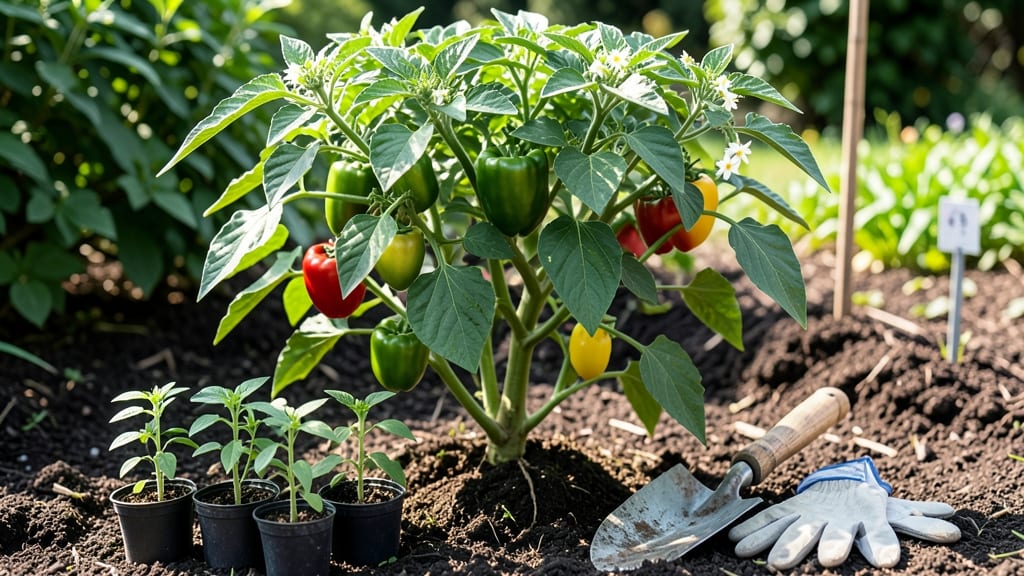
Timing your bell pepper planting in Kansas could mean the difference between a thriving garden and a sad, stunted crop. These heat-loving plants need just the right conditions to flourish, and getting them in the ground at the perfect moment is key.
With Kansas' USDA zones 5b-7a and unpredictable spring weather, knowing when to plant isn't just about dates—it's about soil temperatures, frost risks, and variety selection. I'll walk you through the exact windows for both spring and fall planting, plus the smartest strategies to protect your 🌶️ plants from early chills.
You'll discover which heat-tolerant varieties perform best in our climate and how to stretch your growing season for a longer harvest. Whether you're a first-time gardener or a seasoned pro, these insights will help you avoid common mistakes and maximize your yield.
Ready to grow bigger, healthier bell peppers? Let's dive into the precise planting schedule that works for Kansas gardens—no guesswork required.
Kansas last frost dates and exact planting windows for bell peppers
Kansas’ last frost dates vary dramatically from north to south, making precise timing critical for bell pepper success. In northern Kansas (USDA Zone 5b), the average last frost falls around April 20-25, while southern Kansas (Zone 7a) sees frost-free conditions by March 25-April 5.
These cold-sensitive plants need warm soil (60°F+) and consistent temperatures above 50°F to thrive.
For spring planting, wait until two weeks after your last frost date to transplant seedlings outdoors. This gives your soil time to warm and reduces shock risk.
In northern Kansas, that means mid-to-late May for direct sowing or transplanting. Southern Kansas gardeners can start as early as early April if soil temps cooperate.
Bell peppers are warm-season crops that despise cold. Planting too early leads to stunted growth or complete failure. Always check soil temperature with a thermometer—if it’s below 60°F, wait another week. Hardening off seedlings for 7-10 days before transplanting also boosts survival rates.
🌱 Kansas Bell Pepper Planting Windows by Region
| Region | Last Frost Date | Safe Planting Window | Soil Temp Requirement | Fall Planting Window |
|---|---|---|---|---|
| Northern KS (Zone 5b) | April 20-25 | Mid-to-late May | 60°F+ | Late July |
| Central KS (Zone 6a) | April 5-15 | Early-to-mid May | 60°F+ | Early July |
| Southern KS (Zone 7a) | March 25-April 5 | Early April (direct sow) or late April (transplant) | 60°F+ | Mid-to-late June |
📅 Pro Tip: Use a soil thermometer—bell peppers won’t germinate below 65°F.
For fall harvests, aim to plant 8-10 weeks before your first frost (typically late July in northern KS or mid-June in southern KS). This gives peppers time to mature before cool nights stunt growth.
Use black plastic mulch to extend the season by 2-3 weeks—it warms soil faster and retains moisture.
If you’re starting seeds indoors, begin 8-10 weeks before your last frost date. Northern Kansas gardeners should start seeds in early March, while southern gardeners can begin as early as late February.
Use grow lights if natural light is limited—peppers need 14+ hours of light daily to prevent leggy seedlings.
Bell peppers also benefit from succession planting. Sow a second batch 4-6 weeks after your first planting to stagger harvests. In Kansas, this means late May for northern regions and early May for southern regions. Just ensure soil temps stay above 60°F for germination.
Watch for false springs—unexpected cold snaps can kill young plants. If temps drop below 50°F after transplanting, use row covers or move pots indoors temporarily. Cold frames work well for protecting seedlings during late spring fluctuations.
Finally, space your plants correctly: 18-24 inches apart in rows 24-36 inches apart. Overcrowding reduces airflow, increasing disease risk (like powdery mildew) and limiting fruit production. Taller varieties may need staking to prevent toppling in Kansas’ windy conditions.
Timing is everything with bell peppers in Kansas. Follow these region-specific windows, and you’ll be enjoying homegrown peppers from July through October. 🌶️
Kansas last frost dates and exact planting windows for bell peppers
Kansas’ last frost dates vary dramatically from north to south, so timing your bell pepper planting is critical. In Northern Kansas (USDA Zones 5b-6a), the average last frost falls around April 15, while Southern Kansas (Zones 6b-7a) sees frost-free conditions by April 1.
Bell peppers, which thrive in warm soil (60°F+), need all frost danger passed before planting outdoors.
For spring planting, aim to transplant seedlings 2-4 weeks after your last frost. In Kansas, this typically means mid-April to early May in the south and late April to early June in the north.
Starting seeds indoors 8-10 weeks before transplanting (around February-March) gives them a head start in cooler regions.
Here’s how Kansas’ regions break down for optimal bell pepper planting windows, including soil temperature and transplanting strategies:
| Region | Last Frost | Planting Window | Soil Temp | Transplant Tip |
|---|---|---|---|---|
| Northern KS (Zone 5b-6a) | April 15 | Late April–June 1 | 60°F+ | Use row covers for early starts |
| Central KS (Zone 6a-6b) | April 1 | Mid-April–May 15 | 60°F+ | Direct-sow after May 1 |
| Southern KS (Zone 7a) | March 15 | March 30–April 30 | 65°F+ | Plant early for fall harvests |
Don’t overlook fall planting! For a second harvest, sow seeds July 15–August 15 in Southern Kansas or August 1–September 1 in the north. These late-season peppers mature by first frost (mid-October), giving you a bonus crop before winter sets in.
Pro tip: Use a soil thermometer to confirm 60°F+ soil temps before planting. Cold soil delays germination and stunts growth. If temps are still chilly, opt for heat-tolerant varieties like ‘Carmen’ or ‘Aristotle’, which handle Kansas’ 90°F+ summers better than standard types.
Missed the spring window? No problem—succession planting every 2 weeks ensures a steady supply. Just adjust spacing to 18 inches apart for larger varieties to prevent overcrowding as they mature.