
Plants
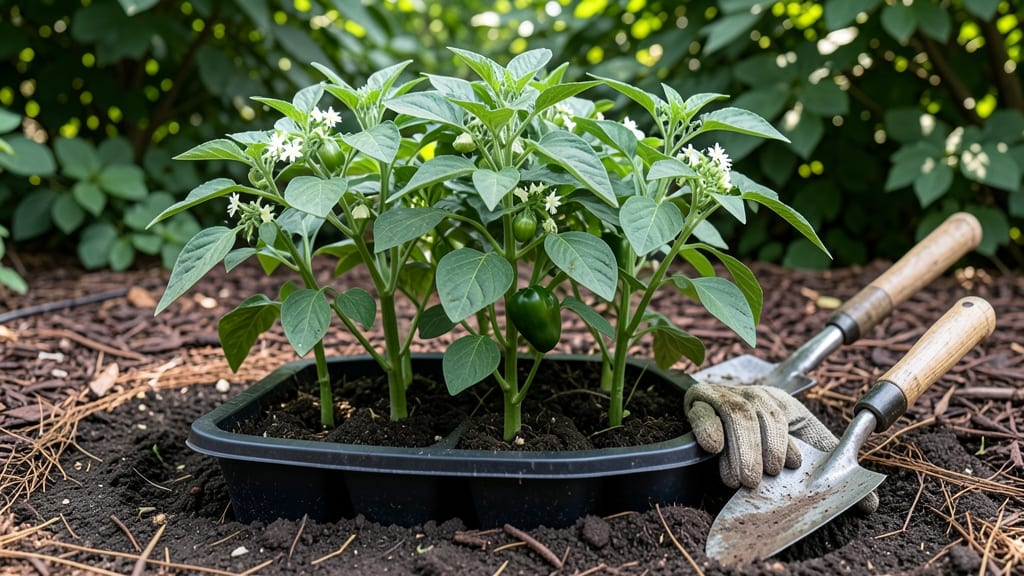
Timing your 🌶️ bell pepper planting in Ohio’s Zone 6a is the difference between a thriving garden and a sad, frost-nipped experiment. You’ve got just a 60-day window between Ohio’s last frost (April 15) and when soil warms to 60°F—and missing it means stunted plants or wasted seeds.
Here’s the secret: Start seeds indoors by March 15 to give them a head start, then transplant after May 1 when nighttime temps stay above 50°F.
Ohio’s spring is famously unpredictable—one week you’re planting, the next you’re shoveling snow. I’ll show you how to read the signs and adjust your schedule without guessing.
We’ll cover everything from soil temperature tricks to the best 🌶️ bell pepper varieties for Ohio’s climate, plus how to extend your harvest into October.
Whether you’re a first-time gardener or a veteran grower, these zone-specific tips will help you avoid the most common mistakes that kill pepper plants before they even start.
Ready to grow peppers that actually produce? Let’s dive into the exact dates, tools, and strategies that work in Ohio—so you can enjoy fresh, homegrown 🌶️ bell peppers from July through fall.
Ohio bell pepper planting dates by Zone 5b/6a: avoid frost & maximize growth
Ohio’s Zone 5b/6a climate demands precision when planting bell peppers. The last frost date typically falls around April 15, but soil warmth is more critical than calendar dates.
Bell peppers thrive only when soil temperatures reach a consistent 60°F+, which usually happens by mid-May in most of Ohio.
For transplanted seedlings, aim to plant 2-3 weeks after your last frost, ideally between May 1-15. This gives young plants time to establish roots before summer heat arrives.
If you’re direct-sowing, wait until soil is 70°F+, which often means late May or early June in colder Ohio regions.
Missed the window? No problem! Use row covers or cold frames to extend your season by 2-4 weeks. These tools create a microclimate that protects seedlings from unexpected late spring frosts, which Ohio is notorious for.
Here’s the golden rule: Never plant bell peppers when nighttime temperatures dip below 55°F. Even mature plants can suffer stunted growth or blossom-end rot if exposed to cold snaps.
Always check your local frost-free date using resources like the Old Farmer’s Almanac or NOAA climate data for your specific Ohio county.
Pro tip: If you’re starting seeds indoors, begin them 8-10 weeks before your last frost date. This means mid-February to early March for Ohio gardeners. Use grow lights to supplement natural light, as seedlings need 14-16 hours of light daily to avoid leggy growth.
For those in southern Ohio (Zone 6a), you can push planting dates 1-2 weeks earlier than northern regions. Conversely, north-central Ohio (Zone 5b) may need to wait until late May for soil to warm sufficiently.
| Stage | Action | Ohio Zone 5b | Ohio Zone 6a |
|---|---|---|---|
| Start Indoors | Seedlings | Mid-February | Late February |
| Transplant Outdoors | Seedlings | May 1-15 | April 25-May 10 |
| Direct Sow | Seeds | Late May-Early June | Mid-May |
| Soil Temp Threshold | Minimum | 60°F+ | 60°F+ |
| Frost-Free Window | Safe Planting | After April 15 | After April 10 |
Use a soil thermometer to confirm soil warmth before planting. Stick it 2 inches deep in your garden bed—this is where roots will be. If readings dip below 60°F at night, delay planting or use black plastic mulch to warm the soil faster.
Ohio’s microclimates can vary dramatically. Urban areas like Columbus may warm up faster than rural northeast Ohio. If you’re unsure, opt for transplanted seedlings instead of direct sowing—they’re more resilient to temperature swings.
Remember: Bell peppers are heat-lovers, not cold-hardy crops. Even a light frost can kill young plants, so always have a backup plan like row covers or a greenhouse. With the right timing, you’ll enjoy peppers from July to October—just in time for fresh salsas and grilling!
5 Critical factors that determine your bell pepper planting window in Ohio
Ohio’s unpredictable spring weather isn’t just about frost dates—it’s also about soil warmth, microclimates, and how fast your seedlings mature. Bell peppers hate cold soil (below 55°F stunts roots), so timing isn’t just about the calendar.
Here’s what I watch for to nail the perfect planting window in Zone 5b/6a.
First, soil temperature is non-negotiable. Use a soil thermometer to confirm 60°F+ before planting outdoors. In Ohio, this often means waiting until late May in colder microclimates (like northeast Ohio) but mid-April in warmer southern zones. Cold soil = slow growth, and peppers need warmth to thrive.
- 🌡️ Soil Temperature: Wait until 60°F+ (use a thermometer!). Ohio’s last frost isn’t enough—roots need warmth.
- 📅 Seedling Age: Start indoors 8-10 weeks before last frost (early March). Transplant after frost danger and when seedlings are 4-6 inches tall.
- 🌿 Microclimates: Southern Ohio (e.g., Cincinnati) can plant 2 weeks earlier than northern zones (e.g., Cleveland). Use row covers to extend the season.
- ☀️ Sunlight Hours: Ensure 6+ hours of full sun daily. Ohio’s April skies are unpredictable—choose a south-facing spot for best results.
- 🌬️ Weather Patterns: Watch for April snow events (common in Ohio). Use cold frames or heat mats to protect young plants if frost threatens.
Next, seedling age matters more than you’d think. If you start seeds indoors in early March (8-10 weeks before Ohio’s average last frost of April 15), your seedlings should be sturdy and ready to transplant by late May. Overgrown seedlings struggle to adapt, while underdeveloped ones waste precious growing time.
Ohio’s microclimates create a 2-week difference between planting zones. For example, Cincinnati (Zone 6a) might plant by April 20, while Toledo (Zone 5b) should wait until May 5.
Use row covers or black plastic mulch to warm the soil faster in cooler areas. Pro tip: Test your microclimate by planting radishes (fast-growing) in early April—they’ll tell you when the soil’s ready.
Don’t overlook sunlight hours. Ohio’s April skies are deceptive—just because it’s 70°F doesn’t mean your peppers are getting enough sun. Choose a south-facing spot with no shade after 10 AM. If your garden gets partial shade, opt for early-maturing varieties (like ‘Early Cal Wonder’) to compensate.
Finally, Ohio’s April snow events are legendary. I’ve seen 50°F days turn to sleet by evening—so always have a backup plan. Use row covers or cold frames to protect seedlings if frost is forecasted.
For extra insurance, plant a few weeks late and use heat mats under containers to keep roots warm.