
Plants
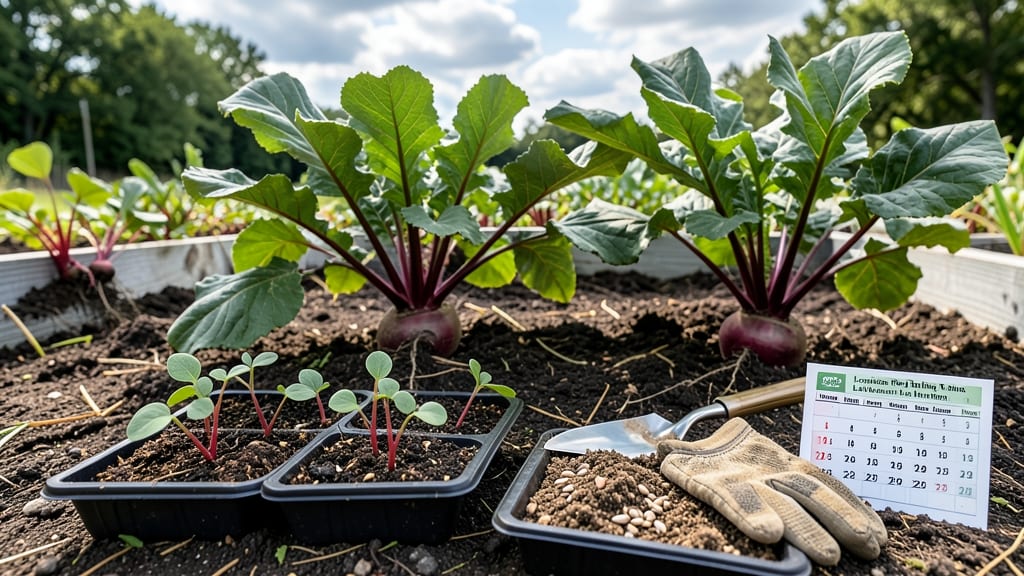
Knowing when to plant beets in Louisiana can mean the difference between a thriving garden and a sad, bolted mess. The wrong timing turns your sweet 🍠 roots into bitter, leafy stalks before they even hit the soil properly.
Louisiana’s heat and humidity make this a tricky balance—too early, and you risk frost; too late, and the summer sun sends your beets running for the hills.
But here’s the good news: with the right schedule, you can grow beets year-round in most of the state’s 8a-9b zones. The key is planting during those cooler windows—late February to early March for spring and August to early September for fall.
These timings let you avoid the brutal summer heat while still maximizing your harvest before the first frost hits.
I’ve tested what works in Louisiana gardens, and it’s not just about the calendar—it’s about heat-tolerant varieties and smart strategies like shade cloth and mulching.
Whether you’re a first-time gardener or a seasoned pro, these tips will help you skip the bolting disasters and enjoy sweet, tender beets straight from your yard.
Let’s dive into the exact planting schedule, variety picks, and tricks to keep your beets happy—even when the thermometer climbs. You’ll learn how to stretch your growing season, avoid common mistakes, and turn your garden into a beet bonanza without the stress.
Best planting windows for beets in Louisiana’s climate zones
Louisiana’s 8a-9b climate zones create unique challenges for beet growers—humidity, heat, and unpredictable weather can turn a promising crop into a disappointment if planted at the wrong time. The key to success? Timing your plantings to avoid bolting (premature flowering) and heat stress.
Beets thrive in cooler temperatures (50–75°F), making fall and early spring the ideal windows for most varieties.
In Louisiana, I’ve learned that fall planting (August–September) and early spring planting (February–March) yield the sweetest, most tender beets. Summer planting is possible but requires heat-tolerant varieties and extra care. Let’s break down the best planting windows to maximize your harvest and avoid common pitfalls.
Here’s a quick reference for Louisiana’s beet planting schedule, tailored to our humid subtropical climate:
| Planting Window | Ideal Air Temperature | Soil Temperature | Notes for Louisiana |
|---|---|---|---|
| Late February – Early March | 50–65°F | 55–65°F | Start seeds indoors 4–6 weeks before last frost (mid-February). Use row covers if nights dip below 40°F. |
| August – Early September | 70–80°F (max) | 65–75°F | Plant heat-tolerant varieties like ‘Detroit Dark Red’ or ‘Cylindra’. Use shade cloth (30–50%) to prevent bolting. |
| September – October | 60–75°F | 60–70°F | Best window for fall harvests. Soil warms up enough for germination but cools for sweet root development. |
| November (Limited) | 50–60°F | 55°F+ | Only viable in southern Louisiana (Zone 9b). Use row covers to extend season. |
For northern Louisiana (Zone 8a), focus on spring and fall plantings—summer heat will cause beets to bolt or develop woody roots. In southern Louisiana (Zone 9b), you can experiment with year-round planting in shaded beds or containers, but avoid peak summer (June–July) unless using heat-tolerant varieties.
Pro Tip: Always check your local frost dates (mid-February for last frost, mid-November for first frost) and adjust planting windows by 2–4 weeks if you’re in a microclimate with earlier/later frosts. For example, New Orleans (Zone 9a) can push fall plantings into early October, while Shreveport (Zone 8a) should wrap up by late September.
If you’re new to growing beets in Louisiana, start with two plantings: one in late February for a spring harvest and another in early September for fall. This succession planting strategy ensures a steady supply of fresh beets without risking your entire crop to summer heat.
One mistake I see often is planting too early in spring when soil temperatures are still cool. Beet seeds need soil temps of at least 55°F to germinate properly.
Use a soil thermometer to confirm—if it’s below 55°F, wait another week or two. Patience here pays off with stronger, sweeter roots.
For summer plantings, choose heat-tolerant varieties like ‘Detroit Dark Red’ or ‘Chioggia’ (also called ‘Candy Cane’ beets). These hold up better under Louisiana’s humidity and heat, though you’ll still need to provide afternoon shade and consistent moisture to prevent bolting.
Remember: Beets are cool-season crops, and Louisiana’s climate pushes them to their limits during summer. By sticking to the ideal planting windows and adjusting for your specific zone, you’ll avoid the heartbreak of bitter, leafy beets and enjoy a bountiful harvest instead. 🌱
Best planting windows for beets in Louisiana’s climate zones
Louisiana’s USDA zones 8a-9b offer two ideal windows for planting beets: early spring and fall. The key is avoiding peak summer heat, which triggers bolting—the dreaded premature flowering that turns your sweet roots into bitter leafy stalks.
Let’s break down the perfect timing for each season and how to adapt for Louisiana’s unique climate.
For spring planting, start seeds indoors 4-6 weeks before your last frost date (usually mid-February). Transplant seedlings outdoors in late February to early March when soil temperatures hover around 50-60°F.
This gives your beets time to mature before summer’s heat sets in. If direct sowing, scatter seeds outdoors in March once nighttime temperatures stay above 45°F.
| Season | Planting Window | Soil Temp | Key Notes |
|---|---|---|---|
| Spring | Late Feb–Early Mar | 50–60°F | Avoid bolting; harvest by May |
| Fall | Sept–Early Oct | 60–75°F | Extend harvest until frost; use row covers |
| Summer (Heat-Tolerant) | Aug–Early Sept | 75–85°F | Use shade cloth; choose ‘Cylindra’ variety |
Fall planting is just as critical—aim for September to early October. This window lets beets grow through cooler temperatures and even survive light frosts, which actually sweeten the roots.
For a late fall harvest, sow seeds again in late October and protect them with row covers or mulch to extend the season until the first frost (usually mid-November).
Louisiana’s humidity and heat can be tricky, so consider succession planting every 2-3 weeks during spring and fall to ensure a steady supply. For example, plant one batch in late February, another in mid-March, and a final one in early September.
This staggering method guarantees fresh beets from April to November.
If you’re determined to grow beets in summer, focus on August to early September plantings. Use shade cloth (30-50%) to block intense sun and opt for heat-tolerant varieties like ‘Detroit Dark Red’ or ‘Cylindra’.
Keep soil consistently moist and harvest quickly—within 45-50 days—to avoid bolting. Summer beets won’t be as sweet or large, but they’re still edible and worth the effort!
Pro tip: Always test your soil pH (6.0-7.0) before planting and amend with compost to improve drainage. Louisiana’s clay-heavy soils can trap moisture, leading to rot. Raised beds or containers with well-draining mixes work wonders for beets in humid climates.
With the right timing and care, you’ll enjoy homegrown beets all year—no bitter surprises here! 🌱