
Plants
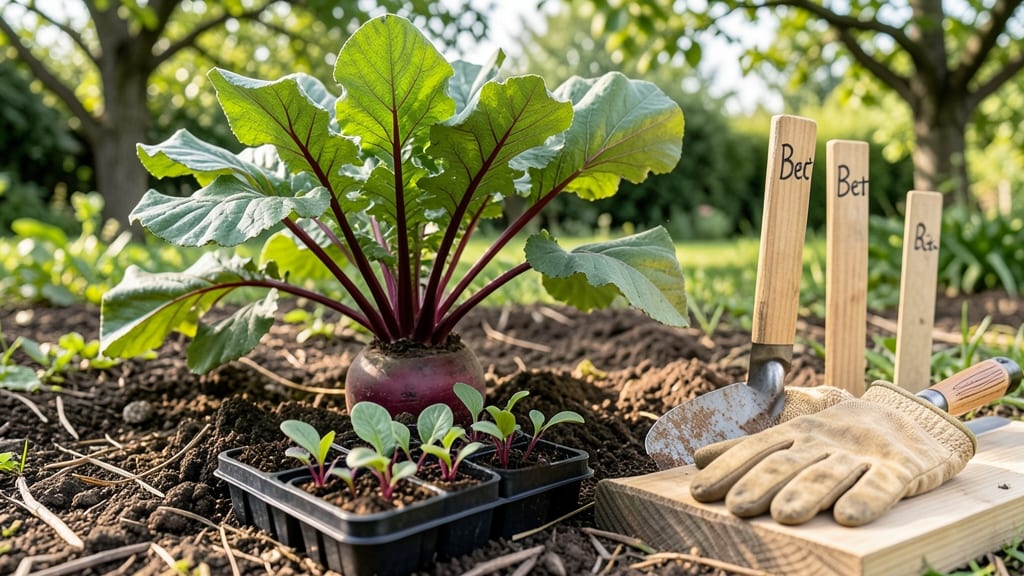
If you’ve ever pulled a bitter, woody beet from your Kentucky garden instead of the sweet, tender 🍠 you expected, when to plant beets in Kentucky is the real culprit.
Planting beets in Kentucky isn’t just about throwing seeds in the dirt—it’s about working with the state’s 6a climate and frost dates to lock in crisp harvests.
Most gardeners in Kentucky swear by two planting windows: March-April for spring and July-August for fall. Skip these windows, and you risk bolting (those bitter-tasting roots) or stunted growth from heat stress.
But here’s the secret: with the right preparation, you can stretch your harvest season and avoid common pitfalls.
I’ll break down the exact months to plant for maximum yield, how to prep your soil for Kentucky’s clay-heavy earth, and when to expect your first harvest.
Whether you’re a first-time gardener or a seasoned pro, these tips will help you grow beets that taste like they came straight from the farmers’ market.
Ready to ditch the tough roots? Let’s get into the game-changer planting schedule that actually works in Kentucky—no guesswork required.
Best months to plant beets in Kentucky for maximum yield
Kentucky’s USDA zones 6-8 create perfect conditions for growing sweet, tender beets—but timing your planting is the secret to avoiding bolting or woody roots. The key is planting when soil temperatures stay above 45°F but before summer heat triggers early flowering.
Let’s break down the best windows for spring, summer, and fall planting to maximize your harvest.
For most of Kentucky, the ideal planting window spans from mid-March to early April for spring beets and late July to early August for fall harvests. These dates align with soil warming trends and frost-free periods, ensuring your beets grow crisp and flavorful rather than tough or bitter.
Let’s dive into the specifics for each season.
🌱 Spring Planting (March-April) is your best bet for early harvests in June-July. Start seeds indoors 4-6 weeks before your last expected frost (typically mid-April in Kentucky) or sow directly into well-drained soil once temperatures consistently stay above 50°F. This timing gives beets enough time to mature before summer heat sets in.
🌿 Summer Planting (July-August) is all about fall harvests in October-November. Plant seeds 8-10 weeks before the first frost (usually mid-October) to ensure roots develop fully. Choose heat-tolerant varieties like 'Chioggia' or 'Bull’s Blood' to handle Kentucky’s summer humidity without bolting prematurely.
Here’s a quick reference for Kentucky-specific planting zones and their ideal windows:
| Season | Planting Window | Soil Temp | Harvest Window | Notes |
|---|---|---|---|---|
| Spring | Mid-March to early April | 45°F+ | June-July | Direct sow after last frost |
| Summer (Fall Harvest) | Late July to early August | 60°F+ | October-November | Use shade cloth for summer |
| Fall (Late Season) | Late August to early September | 55°F+ | October-November | Cold-hardy varieties only |
If you’re in northern Kentucky (USDA Zone 6a), aim for late March to early April for spring planting, while southern Kentucky (Zone 7-8) gardeners can start as early as February for a head start. Always check your local frost dates—Kentucky’s microclimates can vary by 1-2 weeks between regions.
For container growing, plant seeds 2-3 weeks earlier than outdoor dates since pots warm up faster. Use heat-retaining fabric pots to extend your season in both spring and fall. Just be sure to water consistently—containers dry out faster, especially in Kentucky’s humid summers.
Pro tip: Succession plant every 2 weeks in spring and summer to ensure a continuous harvest. This works especially well for baby beets, which mature in just 45-50 days. Try planting 'Babybeat' or 'Little Ball' varieties for quick, tender greens.
Finally, avoid planting beets when daytime temperatures exceed 80°F for prolonged periods. This triggers bolting, causing bitter roots and wasted effort. Instead, opt for shade cloth or late-afternoon shade during summer months to keep your beets happy and productive.
With these timing tips, you’ll enjoy crisp, sweet beets from June through November—no bitter surprises here! 🌱
How to extend your beet harvest season in Kentucky’s climate
Kentucky’s humid summers and cool falls create perfect conditions for year-round beet production, but only if you plan ahead. By using succession planting and seasonal varieties, you can enjoy fresh beets from early spring through late fall.
The key is choosing the right cold-hardy and heat-tolerant varieties for each planting window.
For spring harvests, start with cold-resistant varieties like 'Detroit Dark Red' or 'Golden'. These can handle light frosts and germinate quickly in 40°F soil. Plant them 4-6 weeks before your last frost date—typically mid-March to early April in Kentucky’s USDA Zone 6-8.
For summer harvests, switch to heat-tolerant types like 'Chioggia' or 'Boltardy', which resist bolting in 85°F+ temperatures.
To maximize your harvest, use succession planting every 2-3 weeks after your initial planting. This ensures a continuous supply of beets instead of a single overwhelming harvest. For example, plant a new row in late May and another in early July to stretch your harvest into October.
In fall, focus on cold-hardy varieties again, as temperatures drop and days shorten.
🌱
- 📅 Start with cold frames in late winter (Feb-March) to jumpstart early spring growth.
- 🌡️ Use row covers in summer to protect plants from heat stress and bolting.
- 🌿 Choose striped varieties like 'Chioggia' for summer planting—they handle heat better.
- 🍂 Plant a final succession in early August for a fall harvest before frost.
- 🌱 Save seeds from your best bolt-resistant plants for next year’s summer crops.
Don’t overlook soil preparation when transitioning between seasons. Kentucky’s clay-heavy soil can compact easily, so amend with compost before planting. For spring, focus on warming the soil with black plastic mulch, while fall plantings benefit from straw mulch to insulate roots.
Both strategies help maintain consistent soil temperatures, which is critical for germination and root development.
For summer shade, try planting beets under dwarf tomatoes or bush beans. This natural shade keeps soil cooler and reduces bolting risks. In late summer, prioritize quick-maturing varieties (like 'Babybeat') to harvest before first frost.
With these strategies, you’ll enjoy crisp, sweet beets from March through November—no grocery store needed!
☀️