
Plants
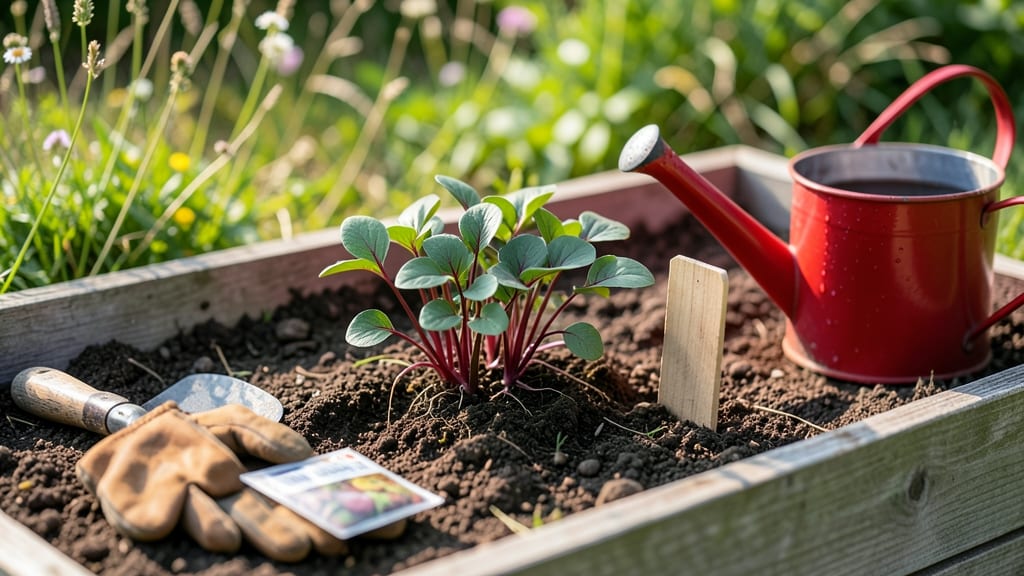
Timing your beet 🍠 planting in Indiana isn’t just about luck—it’s the difference between a garden full of crisp, sweet roots and a patch of bitter disappointment.
With Indiana’s USDA Zone 6a climate, you’ve got just a 6-week window each season to get it right, and missing those deadlines can mean bolting plants or frost-damaged harvests.
Most gardeners in Indiana plant beets in spring (March 15–April 30) or fall (September 1–October 15), but the key is understanding your last frost date—around April 15—and how soil temperature affects germination.
Plant too early, and your beets might bolt before reaching maturity; too late, and you’ll lose them to early frost by October.
Here’s the good news: with the right strategy, you can stretch your harvest season. I’ll show you how to time your plantings for continuous yields, adjust for Indiana’s microclimates, and avoid common mistakes that sabotage even the most eager gardeners. Let’s get those beets growing the right way.
Whether you’re a first-time gardener or a seasoned pro, these tips will help you maximize your harvest—no guesswork required. Ready to dig in?
Indiana’s best planting windows for beets: spring vs. fall deadlines
Indiana’s USDA Zone 5-6 climate means beets thrive in both spring and fall, but timing is critical. Plant too early, and cold soil stunts growth; too late, and frost damage ruins your harvest.
The key is aligning your planting with soil temperatures (ideally 50°F+) and Indiana’s average last frost date of April 15.
For spring plantings, start seeds indoors 4-6 weeks before your last frost date or sow directly in well-drained soil once temperatures consistently stay above 50°F.
In Indiana, this typically means mid-March to late April. Early plantings risk bolting (premature flowering), while late plantings may yield smaller harvests before summer heat.
Fall plantings offer a second chance for crisp, sweet beets without summer competition. Aim to sow seeds 8-10 weeks before the first frost (October 20), which lands Indiana gardeners in early September to mid-October.
This timing ensures beets mature before winter sets in, though a light frost actually sweetens their flavor.
🌱 Indiana Beet Planting Timeline
| Season | Planting Window | Soil Temp | Key Deadline |
|---|---|---|---|
| Spring | March 15 – April 30 | 50°F+ | April 15 (last frost) |
| Fall | September 1 – October 15 | 55°F+ | October 20 (first frost) |
| Succession | Every 2 weeks | 50°F+ | June – September |
✅ Pro Tip: Use a soil thermometer to confirm temps before planting. Beets won’t sprout below 50°F.
Indiana’s northern regions (e.g., Fort Wayne) experience earlier frosts, so adjust deadlines 1-2 weeks earlier. Southern Indiana (e.g., Evansville) can push fall plantings into early November with row covers for extra protection.
Always monitor local weather forecasts—a late frost can turn your patiently grown beets into mushy disappointment.
For succession planting, sow new seeds every 2 weeks from spring through summer to ensure a continuous harvest. This works especially well in raised beds, where soil warms faster.
By staggering plantings, you’ll enjoy crisp beets from June through October, avoiding the glut of a single massive harvest.
One common mistake is assuming “as soon as the ground thaws” means it’s safe to plant. Cold soil slows germination, leading to uneven sprouts or bolting.
Wait until soil reaches 50°F+—use a soil thermometer if unsure. In Indiana, this often means late March to early April for most areas.
Fall plantings require even more precision. Beets need 50-60 days to mature, so sow seeds no later than October 15 in most of Indiana. In Zone 5 (northern Indiana), cut off plantings by October 1 to avoid winter kill.
Use black plastic mulch to warm soil and extend the season by 2-3 weeks.
Harvest timing ties directly to planting dates. Spring-planted beets typically ready by June-July, while fall varieties mature by October-November. Always harvest when roots reach 1-3 inches in diameter—larger beets become woody and tough. Leaving them too long also risks bolting, especially in hot summer months.
To maximize your Indiana beet harvest, combine spring and fall plantings with succession sowing. This strategy ensures you’re never without fresh, homegrown beets from June through November. Just remember: soil temperature, frost dates, and consistent moisture are your best friends in Indiana’s garden.
Indiana’s best planting windows for beets: spring vs. fall deadlines
Indiana’s USDA Zone 6a climate gives you two prime windows to plant beets: spring (March 15–April 30) and fall (September 1–October 15). These dates align with your last frost (April 15) and first frost (October 20), ensuring your beets mature before winter sets in.
Planting outside these windows risks bolting (premature flowering) or frost damage.
Spring plantings should start when soil temperatures reach 45°F—use a soil thermometer to check. Early March plantings in southern Indiana may work, but northern areas should wait until late March. Fall plantings must be done by October 15 to allow 50–60 days of growth before frost.
Beets thrive in cool weather, so avoid planting during hot summer months (June–August). Instead, use succession planting every 2 weeks in spring and fall to stretch your harvest. This ensures a steady supply of fresh beets from June through November.
| Season | Planting Window | Soil Temp | Days to Harvest |
|---|---|---|---|
| Spring | March 15–April 30 | 45°F+ | 50–60 days |
| Fall | September 1–October 15 | 50°F+ | 50–60 days |
For early-spring plantings, use row covers to protect seedlings from late frosts. In fall, opt for cold-hardy varieties like Detroit Dark Red or Golden beets, which tolerate light frosts better than others. Always plant seeds ½ inch deep and 1–2 inches apart for optimal spacing.
If you’re in northern Indiana (Zone 5), push spring plantings to April 1–15 to avoid early bolting. Southern Indiana gardeners can start as early as March 1, but monitor soil moisture—dry spells can stress seedlings. Mulch with straw or leaves to retain moisture and regulate soil temperature.
Pro tip: Mark your calendar for June 15 and October 1 as your last succession planting dates in spring and fall, respectively. This ensures you’ll have beets ready to harvest before winter sets in. With the right timing, you’ll enjoy a continuous harvest all season long!