
Plants
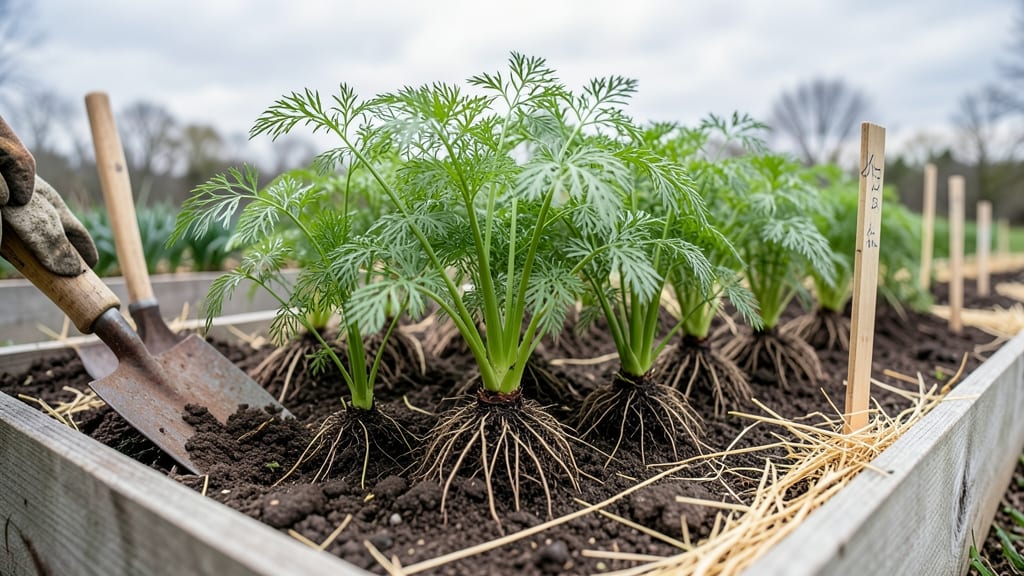
Timing your asparagus planting in Maine can make the difference between a thriving garden and a lost investment. With USDA zones 5a-6b and unpredictable early springs, knowing exactly when to plant asparagus crowns is critical for success.
Most gardeners in Maine aim to plant asparagus in early spring, typically between March and April, once soil temperatures reach 50°F. This window gives the roots enough time to establish before summer heat arrives, ensuring a strong first harvest in June or July.
While seeds are an option, most Maine growers prefer crowns for their faster, more reliable results. Planting them 2-3 weeks before the last frost date (usually around April 15) gives you the best chance for a productive patch that will reward you for years to come.
Don't let Maine's cool climate hold you back—with the right timing and preparation, you can grow cold-hardy asparagus that thrives even in challenging conditions. Let's break down the exact steps to get your asparagus off to the best possible start.
Best planting months for asparagus in Maine’s climate zones
Maine’s USDA zones 5a-6b create unique challenges for asparagus growers, but the key is planting when soil temperatures reach 40-50°F. For most of the state, this means targeting late March to mid-April, just before the last frost date (typically around April 15).
Coastal areas like Portland may see earlier planting opportunities in early March, while inland regions near Presque Isle should wait until late April to avoid frost damage.
Asparagus crowns are far more reliable for Maine gardeners than seeds, which take 2-3 years longer to produce spears. I recommend purchasing 1-year-old crowns from reputable suppliers, as they establish faster in our cool climate.
Planting too early (before soil warms) risks crown rot, while waiting too long delays your first harvest by a full season.
Soil temperature is your best guide—use a soil thermometer to confirm readiness. In northern Maine (zones 5a-5b), aim for April 15-30, while southern Maine (zones 6a-6b) can plant as early as March 15. The 10-day forecast should show no hard freezes (28°F or below) after planting.
Here’s how to adjust your timing based on Maine’s microclimates:
| Region | Best Planting Window | Soil Temp Threshold | Key Consideration |
| Southern Maine (Portland, Kittery) | March 15 - April 1 | 40-45°F | Warmer coastal soils allow earlier planting |
| Central Maine (Augusta, Waterville) | April 1 - April 15 | 45-50°F | Moderate frost risk; use row covers |
| Northern Maine (Presque Isle, Bangor) | April 15 - May 1 | 50°F+ | Later frost dates; prioritize cold-hardy varieties |
For seed planting (not recommended for beginners), start seeds indoors in February and transplant outdoors after the last frost. Seeds require 3 years before harvest, while crowns produce spears in 2 years.
I’ve found that Jersey Knight crowns establish fastest in Maine’s climate, with visible spears by year 2.
If you miss the ideal window, don’t panic—you can plant asparagus in early May as a last resort, though your first harvest will be delayed until year 4.
The trade-off? Fewer pests and a more stable soil environment. I’ve had success with late May plantings in cooler inland areas where early spring is unpredictable.
Pro tip: Black plastic mulch can warm soil by 5-10°F, allowing you to plant 2-3 weeks earlier in colder zones. Lay the mulch 1-2 weeks before planting to maximize soil temperature. Pair this with straw mulch after planting to retain moisture and suppress weeds during Maine’s cool, damp springs.
Remember, asparagus is a perennial crop—once established, it can produce for 15-20 years. Getting the timing right now means decades of harvests with minimal maintenance. Don’t rush the process; patience in planting pays off with years of spears.
🌱
Best planting months for asparagus in Maine’s climate zones
Maine’s USDA zones 5a-6b create distinct planting windows depending on whether you're in coastal areas (warmer) or inland regions (colder). The key is planting when soil temperatures reach 50°F—this ensures roots establish before summer heat arrives.
Most Maine gardeners target late March to mid-April for crown planting, aligning with the average last frost date of April 15.
For coastal Maine (e.g., Portland, Bar Harbor), warmer microclimates allow planting as early as mid-March. Inland areas (e.g., Bangor, Augusta) should wait until late March to early April to avoid frost damage. Always use a soil thermometer to confirm readiness—cold soil delays root growth and weakens plants.
Asparagus crowns are the preferred method in Maine because they establish faster than seeds. Plant them 2-3 weeks before your last frost date—this gives roots time to anchor before spears emerge. If you miss this window, wait until early May for a second planting, though yields may be reduced.
| Zone/Region | Ideal Planting Window | Soil Temp Threshold | Frost Risk |
|---|---|---|---|
| Coastal (5b-6a) | Mid-March to early April | 50°F+ | Low (warmer microclimate) |
| Inland (5a-5b) | Late March to mid-April | 50°F+ | Moderate (watch for late frosts) |
| Northern (5a) | Early to mid-April | 50°F+ | High (delay until soil warms) |
If you’re planting asparagus seeds instead of crowns, start them indoors 8-10 weeks before your last frost date (typically by February). Transplant seedlings outdoors in early May once all danger of frost has passed.
Seeds take longer to mature—you won’t see harvests until Year 3, compared to Year 2 for crowns.
Pro tip: Use black plastic mulch in early spring to warm the soil faster and extend your planting window by 1-2 weeks. This is especially helpful in colder inland areas where soil takes longer to thaw. Just remove the mulch once spears emerge to prevent overheating.
Remember, asparagus is a perennial crop that will reward you for 15-20 years if planted correctly. Don’t rush—waiting for the right soil temperature and frost-free window now means bigger harvests later. 🌱