
Plants
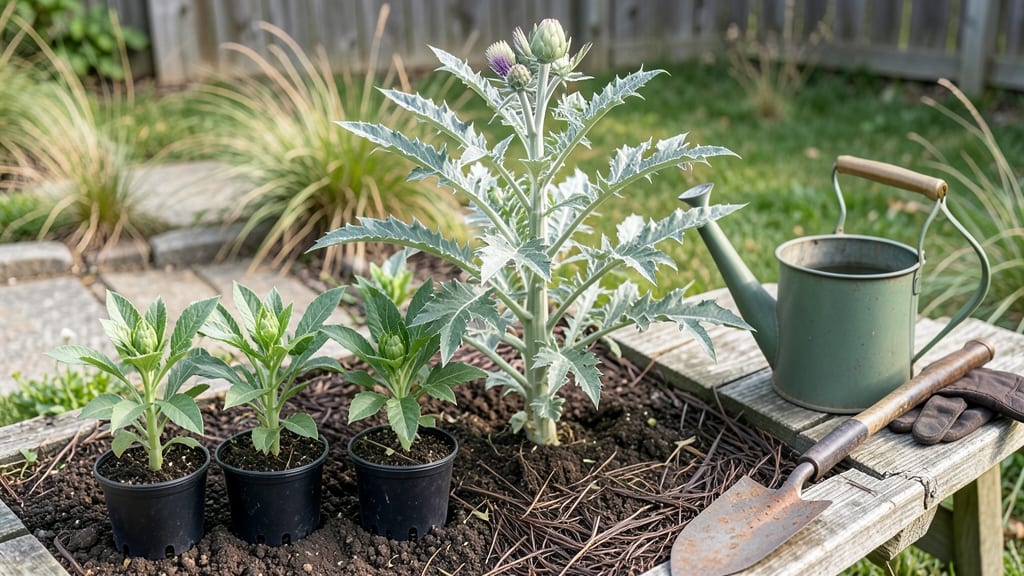
Knowing when to plant artichokes in Texas can mean the difference between a thriving garden and a wasted effort—especially when Texas heat can turn your plants into bitter, inedible bolts faster than you can say "Lone Star State."
Artichokes 🌱 love Texas' long growing season, but they're picky about timing. Plant too early, and the heat will send them into early flowering; too late, and you'll miss the sweet spot for a bountiful harvest.
The key is understanding your specific heat zone—whether you're in the cooler Hill Country or the balmier Gulf Coast—and working with those conditions.
In this guide, I’ll break down the exact planting windows for Texas’ USDA zones 8a-10b, including when to start seeds indoors and when to transplant for zero bolt risk. We’ll also cover soil prep, watering hacks, and the best varieties that actually thrive in our heat.
Ready to grow artichokes that actually produce? Let’s get you planted at the perfect time so you can enjoy fresh, tender globes from May through July—no bitter surprises included.
Texas heat-zone planting calendar for artichokes (avoiding bolt risk)
Artichokes thrive in Texas when planted at the right time, but the heat and long growing season make timing critical. Plant too early, and your artichokes will bolt (send up flower stalks) before producing edible buds.
Plant too late, and you'll miss the harvest window entirely. The key is aligning your planting with Texas heat zones and soil temperature thresholds.
Texas spans USDA zones 8a-10b, meaning frost dates and ideal planting windows vary dramatically. For example, North Texas (8a-9a) has later last frosts (mid-February) compared to South Texas (9b-10b), where frost is rare by January.
Even within these zones, microclimates (like the Hill Country or Gulf Coast) can shift optimal planting by weeks.
🌡️ Texas Artichoke Planting Calendar by Heat Zone
| Zone | Last Frost Date | Ideal Planting Window | Soil Temp Requirement | Harvest Window |
|---|---|---|---|---|
| 8a (North Texas) | Feb 15 | Feb 20 - Mar 15 | ≥60°F (15°C) | Jun 1 - Jul 15 |
| 9a (Central Texas) | Feb 1 | Jan 25 - Feb 20 | ≥60°F (15°C) | May 15 - Jun 30 |
| 9b (South Texas) | Jan 15 | Jan 10 - Feb 5 | ≥60°F (15°C) | Apr 15 - May 30 |
| 10a/10b (Deep South Texas) | Dec 1 | Dec 1 - Jan 15 | ≥60°F (15°C) | Mar 15 - Apr 30 |
💡 Pro Tip: Use a soil thermometer to confirm temps—artichokes won’t germinate below 60°F (15°C).
For Green Globe varieties (the most common), aim to transplant seedlings when soil temps hit 60°F (15°C) and nighttime temps stay above 50°F (10°C). In North Texas, this typically means late February to mid-March.
In South Texas, you can start as early as January, but avoid planting before December 1 to prevent heat stress later in the season.
If you’re starting seeds indoors (recommended for earlier harvests), begin 8-10 weeks before your last frost date. For North Texas, that’s mid-December; for South Texas, late October.
Use grow lights to supplement weak winter sun, as artichokes need 12+ hours of light daily for strong seedlings.
Texas’ long, hot summers mean artichokes planted after mid-April in North Texas or mid-March in South Texas risk bolting before harvest. To extend your season, consider fall planting in South Texas (zones 9b-10b), where cooler temps in September-October allow a second crop.
However, this requires heavy mulching to protect roots from winter chill.
One critical mistake Texas gardeners make is ignoring soil moisture during transplanting. Artichokes have shallow roots and need consistent water to establish. Always water deeply 2-3 days before transplanting and again immediately after to reduce transplant shock.
In West Texas, where soil dries out faster, use drip irrigation to maintain moisture.
For Roman artichokes (like 'Romanesco'), adjust your timeline 2-3 weeks earlier than Green Globe varieties. Romans mature faster (120-140 days vs. 140-160 days for Green Globe) and are slightly more heat-tolerant, making them ideal for South Texas
Step-by-step guide to planting artichokes in Texas soil (preventing common mistakes)
Texas soil can be tricky for artichokes, thanks to its alkaline nature and intense heat. But with the right prep, you can create the perfect growing conditions.
Start by testing your soil pH—artichokes thrive in 6.0-7.0, so amend with sulfur or peat moss if your soil is too basic.
Choose a sunny, sheltered spot with well-draining soil. Artichokes hate soggy roots, so avoid low-lying areas where water pools. If your soil is heavy clay, mix in compost or aged manure to improve drainage and fertility.
Before planting, loosen the soil to a depth of 12 inches and work in a 2-3 inch layer of compost. This boosts nutrients and helps retain moisture during Texas’ dry spells. Space plants 3-4 feet apart to allow airflow and prevent fungal diseases.
After transplanting, water thoroughly to settle the soil and reduce transplant shock. Use a drip irrigation system or soaker hose to deliver water directly to the roots, avoiding wet foliage. Mulch immediately to lock in moisture and regulate soil temperature during Texas’ extreme swings.
Monitor your plants for heat stress, which causes yellowing leaves or stunted growth. If temperatures exceed 90°F, provide afternoon shade with lightweight row covers or temporary shade cloth. Prune any damaged or yellow leaves to redirect energy to bud formation.
With these steps, your artichokes will establish strong roots and thrive in Texas’ challenging climate. Just remember: patience is key—artichokes take 120-150 days to mature, but the effort is worth it for those juicy, tender buds! 🌱