
Trees
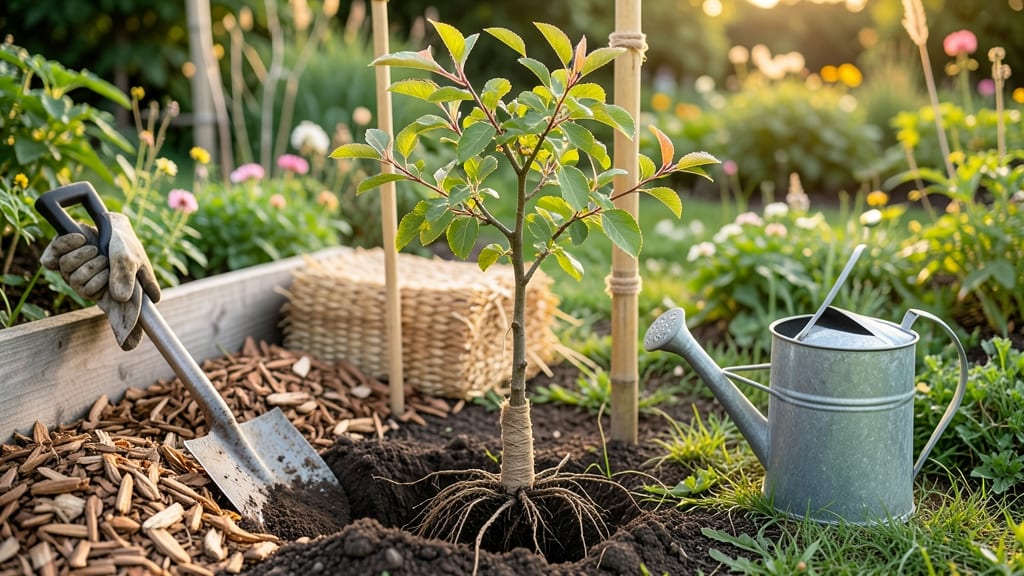
Timing your apple tree planting in South Carolina could mean the difference between a thriving orchard and a struggling sapling—especially when you're working with the state's unique 7b-8a climate.
The wrong window might expose your 🍎 to late frosts or stifling summer heat, while the right moment sets your tree up for strong root growth and bountiful harvests.
Most gardeners in SC swear by late winter to early spring as the best time to plant, but there's more to it than just picking a month.
Whether you're planting bare-root saplings or container-grown trees, understanding your specific zone and microclimate factors is key to avoiding common mistakes that could derail your orchard dreams.
In this guide, I'll break down exactly when to plant in SC's 7b-8a zones, how to choose the perfect window for your county, and what to watch out for to ensure your apple trees take root and flourish. Let's get those roots growing the right way.
You'll discover why March and April are the sweet spots for most SC growers, how to adjust for Upstate versus Lowcountry conditions, and the simple soil prep tricks that make all the difference. Ready to plant with confidence?
Best planting months for apple trees in SC by hardiness Zone
South Carolina’s mild winters and humid summers create a unique growing window for apple trees, but timing is critical to avoid frost damage or stunted growth.
Most of the state falls under USDA Zones 7b-8a, where the ideal planting window spans from late winter to early spring—typically February through April. This aligns with the tree’s natural dormant period, allowing roots to establish before the heat of summer.
Planting during dormancy (November–March) is ideal for bare-root trees, as they’re easier to handle and establish faster. If you opt for container-grown trees, early spring (March–April) gives roots time to adapt before summer stress.
Avoid planting in late spring or summer, as young trees struggle to establish roots in SC’s intense heat and humidity.
Here’s a quick breakdown of the best months by zone and tree type:
| Zone & Tree Type | Best Planting Months | Why Timing Matters |
|---|---|---|
| Zones 7b (Upstate: Greenville, Spartanburg) | Late February–March | Cooler soils reduce shock; avoids late frosts (avg. last frost: March 15). |
| Zones 8a (Coastal: Charleston, Myrtle Beach) | January–February | Warmer winters allow earlier planting; minimal frost risk after February. |
| Bare-Root Trees (All Zones) | November–March | Dormant roots establish faster in cooler soil; less transplant shock. |
| Container-Grown Trees (All Zones) | March–April | Roots adapt to heat before summer stress; avoid late spring planting. |
For Upstate SC (Zones 7b), aim for late February to early March to dodge late frosts, which can damage tender new growth. In Coastal SC (Zone 8a), you can plant as early as January, but avoid December—soils are often too cold for root establishment.
Pro tip: Check your local last frost date (typically March 15 in most areas) and plant 3–4 weeks beforehand for optimal root growth.
Soil temperature is just as critical as air temperature. Apple tree roots thrive in soils between 40°F–60°F. Use a soil thermometer to verify—if it’s below 40°F, wait a week or two.
In Upstate SC, soils may still be too cold in January, while Coastal regions often hit ideal temps by late January.
Another key factor is rainfall timing. SC’s spring showers (March–April) help establish roots, but too much rain can waterlog soil. Amend clay-heavy soils with compost or sand to improve drainage, especially in Lowcountry areas where poor drainage is common.
Mulch with wood chips to retain moisture and regulate soil temperature.
If you miss the ideal window, fall planting (October–November) is a second-best option, but only for bare-root trees. Container-grown trees planted in fall rarely survive SC’s mild winters without proper care.
For container trees, early spring (March) is your only safe bet—delaying until May risks summer stress and poor fruit production.
Remember: Root growth, not top growth, is your priority in the first year. A well-timed planting in February–March sets your apple tree up for 3–4 feet of growth by year two, compared to just 1–2 feet if planted in summer.
That’s the difference between a productive orchard and a struggling sapling.
Best planting months for apple trees in SC by hardiness Zone
South Carolina’s USDA Zones 7b–8a create a unique window for planting apple trees, where cool winters and mild springs set the stage for success.
The ideal planting window spans from late winter to early spring, specifically February through April, aligning with the tree’s dormant period when roots establish before active growth. This timing minimizes frost damage and maximizes root development before the last frost date around March 15.
Bare-root apple trees thrive when planted in dormancy, typically between November and March, while container-grown trees can handle spring planting until May. The key is avoiding extreme heat or frost, which stresses young roots.
For Upstate SC (Zone 7b), slightly earlier planting (by late January) accounts for colder microclimates, while Lowcountry regions (Zone 8a) can extend planting into early April without frost risk.
Root growth science backs this timing: apple trees need 4–6 weeks of cool soil temperatures (50–60°F) to establish roots before active shoot growth begins. Planting too late risks shallow roots and weakened vigor, while early planting (before soil warms above 60°F) ensures roots outpace top growth. In SC, this translates to February–March as the sweet spot for most varieties.
🌱 SC Apple Tree Planting Timeline by Zone
| Zone | Ideal Planting Window | Soil Temp Goal (°F) | Key Consideration |
|---|---|---|---|
| 7b (Upstate) | Late January–March | 50–60°F | Avoid late frosts; prioritize cold-hardy rootstocks |
| 8a (Lowcountry) | February–April | 55–65°F | Extend window into spring; watch for humidity-related pests |
| All Zones | Avoid May+ | N/A | Summer heat stresses roots; prioritize fall planting for container trees |
💡 Pro Tip: Test soil moisture before planting—dry soil in Zone 8a may require pre-watering to encourage root spread.
For bare-root trees, prioritize February planting to allow roots to acclimate before bud break. Container-grown trees, however, offer flexibility until late April, provided they’re watered deeply post-planting.
In Upstate SC, varieties like ‘Akane’ or ‘Gala’ (cold-tolerant) thrive with January–February planting, while Lowcountry growers often opt for ‘Fuji’ or ‘Jonagold’ planted in March.
Timing also affects fruit production timing: trees planted in ideal windows bear fruit 1–2 years earlier than those stressed by poor timing. For example, a March-planted tree in Zone 8a may yield apples by Year 3, while a May-planted tree could delay fruiting until Year 5.
This difference hinges on root-to-shoot balance, a critical factor in SC’s humid climate.
Use local frost data to fine-tune timing: check NOAA frost calendars for your county, as microclimates (e.g., mountain valleys vs. coastal plains) can shift ideal dates by 2–3 weeks.
For instance, Greenville (Zone 7b) may see last frosts in early April, while Charleston (Zone 8a) rarely faces frost after March 1. Plant accordingly to avoid frost damage to new growth.